Choosing household cleaning tools in 2026 requires more than comparing attractive designs or low prices. The better question is “how to choose the right cleaning tools for home” based on surfaces, health needs, storage space, and cleaning frequency. A soft microfiber cloth may protect a glass table, while a stiff brush handles grout more effectively. Small details matter.
Industry data shows why this category deserves careful evaluation. Grand View Research estimates that the global household cleaning products market reached approximately USD 245 billion in 2023, with continued growth expected through 2030. However, that category combines chemicals, appliances, and accessories. The figures do not perfectly represent cleaning tools alone. This limitation is worth remembering.
Performance also needs independent evidence. The Association of Home Appliance Manufacturers, through its AHAM Verifide program, uses standardized testing for selected vacuum cleaners. Its approach can help shoppers compare dust removal and filtration claims more responsibly. For chemical compatibility, the U.S. Environmental Protection Agency’s Safer Choice program evaluates product ingredients against established safety standards. It does not prove that every mop, brush, or vacuum is ideal for your home.
A practical selection process should examine grip comfort, replacement costs, washable parts, noise, and storage. Measure the cupboard before buying a large bucket. Check whether the vacuum head fits beneath your sofa. Consider a tool that saves ten minutes, not one that merely looks modern. Some recommendations will still fail in real homes. Personal testing remains necessary. This guide explains the evidence, trade-offs, and overlooked details behind the best home cleaning tools for 2026.
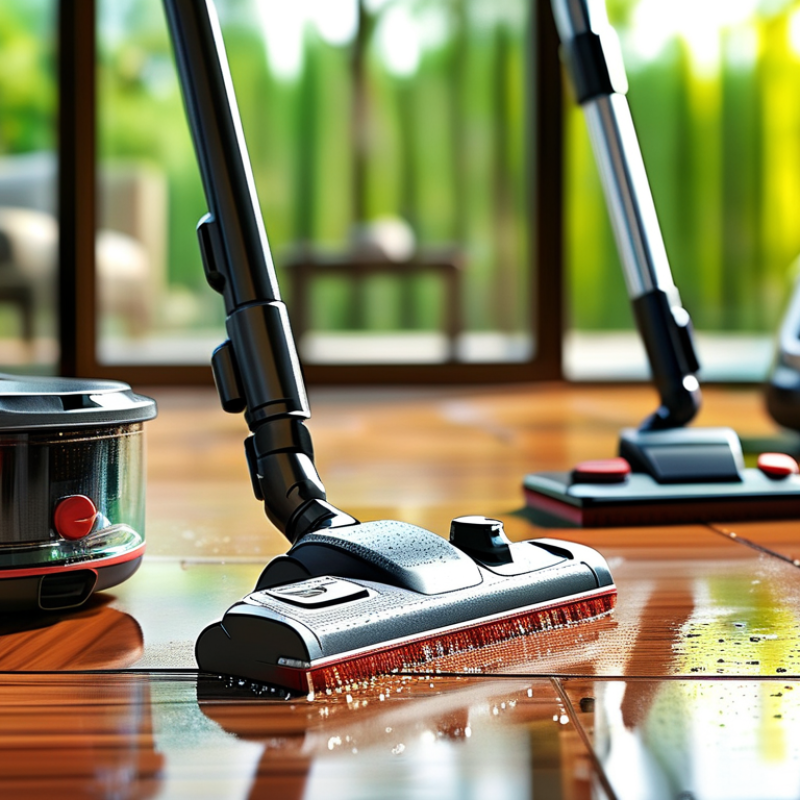
Choosing a cleaning tool starts with identifying the task, not buying the strongest equipment. The CDC defines cleaning as removing dirt and impurities, which can also reduce many germs. Sanitizing lowers germs to levels considered safe by public health standards. Disinfecting destroys remaining bacteria and viruses on suitable surfaces. These actions are different. So are the tools.
For dusty shelves, washable microfiber cloths and a vacuum with proper filtration are usually practical. For a kitchen counter after food preparation, cleaning comes first; sanitizing may follow. Bathrooms used during illness require greater care. The CDC’s 2023 National and State Healthcare-Associated Infection Progress Report states that about one in 31 U.S. hospital patients has an HAI on any given day. This statistic does not predict household risk, but it shows why high-touch surfaces deserve deliberate attention.
I once assumed disinfecting everything was safer. That shortcut was wrong. Disinfectants cannot replace cleaning, and their effectiveness depends on full surface coverage and label contact time. The U.S. Environmental Protection Agency requires registered disinfectants to provide directions for approved uses and wet-contact periods. Check those directions before choosing a spray, wipe, steam tool, or reusable cloth. Read the label. A tool that saves minutes may spread residue or miss corners. I still find that “clean enough” is difficult to define, especially around handles, switches, and damp cloths.
When choosing home cleaning tools in 2026, I look beyond suction power and glossy performance claims. EPA describes HEPA filtration as capturing at least 99.97% of 0.3-micron particles under specified test conditions. That number matters because 0.3 micron is commonly treated as the most penetrating particle size. Smaller and larger particles can also be captured, but results vary with airflow and filter design. It is a test standard, not a promise that every room becomes particle-free.
In practice, inspect the complete cleaning tool, not only the filter label. A well-sealed housing prevents dirty air from bypassing the filter around its edges. Check whether the filter is genuine HEPA, how often it needs replacement, and whether airflow declines as dust accumulates. A clogged filter can make a strong machine feel weak beside a rug. I once focused too much on the 99.97% figure and ignored the exhaust path. That was poor judgment. The whole system matters.
For allergy-sensitive rooms, pair filtration with careful technique. Move slowly over carpets, use narrow attachments along baseboards, and empty sealed containers outdoors when possible. Avoid shaking dusty filters indoors. Follow the cleaning tool’s instructions for washing, drying, and replacement. Moisture can damage filter media or create unwanted odors. Also compare airflow, noise, weight, and maintenance cost. A technically excellent filter becomes less useful when it is too heavy to use regularly. Treat vague “HEPA-style” wording cautiously. Standards matter, but household conditions matter too.
Choosing home cleaning tools in 2026 starts with evidence, not glossy promises. When comparing vacuums, look for AHAM-tested data on pickup, filtration, noise, and capacity. These measurements give you a fairer starting point than dramatic advertising claims.
Pickup data shows how much debris a vacuum removes from tested surfaces. Check whether results include both hard floors and carpets. A strong carpet score may mean little in a home with tile and pet hair. Filtration matters when fine dust settles on shelves or irritates sensitive breathing. Look for clear information about particle retention, not vague “advanced filter” language.
Noise changes daily comfort. Compare decibel readings, but remember that test distance and settings can affect results. A vacuum that sounds acceptable in a store may feel harsh in a small hallway. Capacity also deserves attention. A larger bin means fewer stops, yet it can add weight near the stairs. I once chose the biggest container and regretted carrying it upstairs. Smaller can be smarter.
Use AHAM-tested figures as a reliable reference, then match them to your rooms, flooring, and cleaning habits. Read the testing details carefully. Data still needs context.cuntegn
Use the following comparison criteria when reviewing current vacuum-cleaner test reports. Values are practical screening benchmarks and measurement fields; confirm the exact result for the specific model and configuration before purchase.
| Vacuum Type | Best Use | Pickup Data to Compare | Filtration Data to Compare | Noise Data to Compare | Usable Capacity | 2026 Buying Interpretation |
|---|---|---|---|---|---|---|
| Corded Upright | Large carpeted areas, pets, and frequent deep cleaning | Look for independently tested carpet-cleaning effectiveness, plus airflow or suction figures where available. A stronger result on embedded-particle pickup is more useful than motor wattage alone. | Prefer a sealed system with a genuine HEPA filter. A HEPA filter is designed to remove at least 99.97% of 0.3-micron test particles when tested under the applicable standard; the complete vacuum must also limit air leakage. | Compare measured operating sound in dB(A), using the same test position. Approximately 70–75 dB(A) is generally easier to tolerate than louder machines. | 2.0–4.0 L dust capacity is common and reduces emptying frequency. | Choose this type when maximum carpet performance and a larger dust container matter more than portability. |
| Cordless Stick | Daily cleaning, apartments, stairs, and quick spill removal | Compare pickup on both hard floor and carpet at the selected power setting. Record runtime at the setting used for the test because maximum-power runtime can be much shorter than the advertised maximum. | Prefer a sealed filtration system and a replaceable fine-particle filter. Check whether filtration performance is stated for the complete machine rather than for the filter material alone. | Compare measured sound at the floor head. A practical screening range is about 70–80 dB(A); boost mode is usually louder. | 0.3–0.8 L; smaller bins require more frequent emptying. | Prioritize verified pickup at normal power, battery replacement availability, and real-world runtime over peak suction claims. |
| Canister Vacuum | Hard floors, above-floor cleaning, delicate surfaces, and mixed homes | Compare hard-floor debris pickup, carpet pickup, edge cleaning, and performance with the supplied nozzle. Airflow measured at the hose or nozzle can help explain cleaning performance but is not a substitute for pickup testing. | A sealed system and high-efficiency or HEPA exhaust filtration are preferred for fine dust. Check filter replacement intervals and whether the bag or bin seals before disposal. | Many canister designs fall near 65–75 dB(A), depending on the nozzle and power setting. Use like-for-like measurements. | 2.0–4.5 L for bagged designs; bagless capacity varies and should be judged by the fill line. | Often the best balance for hard floors and detailed cleaning when hose reach and tool flexibility are important. |
| Bagged Vacuum | Allergies, fine dust, and low-contact disposal | Compare independent pickup results on carpet and hard floor rather than relying on rated input power. Bag loading can affect airflow, so check whether testing used a new or partially filled bag. | The bag acts as a primary filter. Look for a sealed system plus a high-efficiency final filter; disposable bags generally contain dust better during emptying than open dust bins. | Compare measured sound, preferably below 75 dB(A) for homes where conversation during cleaning matters. | 3.0–5.0 L nominal bag volume is common, but usable capacity depends on dust type and fill level. | Strong choice for allergy-sensitive households if replacement bags are readily available and properly sealed. |
| Bagless Cyclonic Vacuum | Users who want reusable dust collection and visible fill levels | Review pickup with a clean filter and again after representative use if that information is available. Fine dust can reduce airflow when filters are not maintained. | Look for a sealed path, washable pre-filter, and replaceable exhaust filter. “Cyclonic” describes airflow design and does not by itself prove HEPA-level whole-machine filtration. | Compare normal and maximum-power measurements separately. A practical household target is approximately 70–80 dB(A). | 1.0–2.5 L nominal capacity; empty before the debris reaches the marked maximum line. | Good for users who dislike buying bags, but maintenance frequency and dust exposure during emptying deserve attention. |
| Robot Vacuum | Automated daily maintenance on open floors | Compare pickup on hard floor, low-pile carpet, and corners. Also record navigation coverage, threshold clearance, brush tangling, and the percentage of debris collected after repeated runs. | Check the filter class, replacement schedule, and whether the dock contains dust securely. Robot filters are usually smaller than full-size vacuum filters and need more frequent maintenance. | Compare sound during cleaning and during self-emptying separately. Cleaning noise around 55–70 dB(A) is generally less intrusive than louder operation. | 0.3–0.8 L onboard; self-empty docks may hold several weeks of debris depending on household conditions. | Best as a maintenance tool rather than a complete replacement for periodic deep cleaning, especially on thick carpet. |
| Wet-Dry Floor Cleaner | Sealed hard floors, liquid spills, and one-pass washing | Pickup should be assessed separately for dry debris and liquid recovery. Compare the amount of residual moisture left on the floor and the time required for the floor to become touch-dry. | These machines are not automatically equivalent to HEPA dry vacuums. Check the dry filter, dirty-water separation, odor-control design, and cleaning process after each use. | Compare operating sound and the additional sound from self-cleaning or drying cycles. Measurements around 65–75 dB(A) are generally more comfortable indoors. | Clean-water tanks commonly hold about 0.5–1.0 L; dirty-water tanks are often similar or slightly larger. | Useful for hard floors only; do not select it as the primary carpet-cleaning vacuum. |
2026 Top Home Cleaning Tools: How to Choose the Right Ones?
A good floor tool must match the surface, not merely remove visible dirt. Begin with moisture. EPA WaterSense program data indicates that efficient cleaning equipment can reduce water use by at least 20% in suitable applications. Less water also means faster drying and fewer streaks. I prefer a microfiber flat mop for sealed wood, using a barely damp pad. Wet vacuum tools suit tile and concrete better, where water tolerance is higher.
pH matters too. ASTM F710-22 recommends testing concrete moisture and pH before installing resilient flooring; its guidance commonly keeps concrete within a pH range of 7 to 10. That principle also helps during cleaning. Neutral solutions are safer for coated floors. Acidic products may dull mineral surfaces, while alkaline formulas can weaken protective finishes. Always test a hidden corner first. Small tests prevent expensive mistakes.
Material changes the tool choice. Soft microfiber protects polished stone, but aggressive pads can create fine scratches that appear only under bright light. A low-abrasion brush works better on textured ceramic tile. The EPA Safer Choice Standard, Version 5.4, emphasizes ingredient transparency and safer chemical selection, which supports careful product screening. I still sometimes use too much solution near doorways. It leaves a sticky edge. That imperfect detail matters: tool pressure, liquid volume, and drying time should be recorded, then adjusted after each cleaning cycle.
Match floor tools with surface-care standards by checking cleaner pH and moisture tolerance before selecting a mop, pad, or spray system.
The chart compares commonly used cleaner-pH ranges and relative wet-cleaning tolerance for major residential flooring materials. Use low-moisture tools for wood and laminate, pH-neutral products for sensitive finishes, and more water-tolerant tools for ceramic or porcelain tile. Always follow the flooring manufacturer’s care instructions.
When choosing home cleaning tools for 2026, I start with safety documentation, not appearance. Check whether the appliance follows the relevant IEC 60335 safety requirements. This standard covers risks such as electric shock, overheating, moisture, and mechanical hazards. A printed safety mark alone is not enough. Ask for test information, instructions, and maintenance limits.
Ergonomics matters during real cleaning, not just a short showroom test. Hold the tool for several minutes. Notice wrist pressure, trigger resistance, balance, noise, and reach. A heavy vacuum can feel manageable at first, then strain your shoulder on stairs. I once chose a powerful model with an awkward handle. It cleaned well, but I avoided using it. That was a poor decision.
Cost per use gives a clearer comparison. Estimate the purchase price, replacement filters, bags, batteries, and expected service needs. Divide that total by realistic uses over its working life. A lower price may hide frequent replacements. A more durable tool may cost less per cleaning session. Use measured assumptions, not optimistic guesses. I still find lifespan difficult to predict, especially for battery-powered equipment. Check warranty terms, repair options, and spare-part availability before buying. Small details matter.
Cleaning removes dirt and impurities. Sanitizing lowers germs to safer public-health levels. Disinfecting destroys remaining bacteria and viruses on suitable surfaces.
Use a washable microfiber cloth and a vacuum with suitable filtration. Move slowly around corners and shelf edges. Dust hides there.
Clean the counter after food preparation. Sanitizing may follow when appropriate. Disinfecting is not automatically necessary for every routine spill.
They are touched often and can collect residue. Wipe handles, switches, and other high-touch areas deliberately. Small surfaces matter.
Compare tested pickup, filtration, noise, and capacity data. Check performance on both hard floors and carpets. One impressive number can mislead.
Not always. A large container means fewer stops, but it may feel heavy on stairs. Smaller can be smarter.
Hold it for several minutes before buying. Notice wrist pressure, trigger resistance, balance, noise, and reach. Showroom comfort can be misleading.
Look for relevant electrical safety testing and clear maintenance instructions. Check protection against overheating, moisture, electric shock, and mechanical hazards. A safety mark alone is not enough.
Include the purchase price, filters, bags, batteries, repairs, and service needs. Divide the estimated total by realistic uses. Lifespan remains difficult to predict.
No. Dirt can reduce their effectiveness and hide missed areas. Follow the product’s wet-contact time and coverage instructions. Read the label.
Choosing the best home cleaning equipment in 2026 begins with understanding the difference between cleaning, sanitizing, and disinfecting, since each task requires a different level of performance and care. A practical guide to how to choose the right cleaning tools for home should also consider filtration. For example, HEPA filtration is commonly evaluated by its ability to capture 99.97% of particles measuring 0.3 microns, making it an important factor for improving indoor air quality.
When comparing vacuums, review independently tested information on debris pickup, filtration, noise, dust capacity, and maintenance needs rather than focusing on appearance alone. Floor-cleaning tools should match the surface’s material, moisture tolerance, and suitable pH range to prevent damage. Finally, create a balanced toolkit by checking electrical safety requirements, comfortable handling, storage convenience, durability, and cost per use. Selecting tools according to actual household needs can improve cleaning results while reducing waste and unnecessary spending.

Petalyx Irrigation