Choosing the right gardening tools is essential for successful gardening. Understanding how to choose the right gardening tools can make a significant difference in your gardening experience. With so many options available, it can feel overwhelming to select the best tools for your needs.
Garden tools come in various shapes, sizes, and functionalities. Each tool serves a specific purpose, and using the wrong one can lead to frustration. For example, a heavy shovel is not ideal for delicate flower beds. Therefore, it's crucial to match the tools to the tasks you plan to undertake. Reflect on your gardening goals. Do you want to grow vegetables, maintain a flower garden, or manage a landscape? Each goal requires different tools.
Seek out expert advice and read reviews from seasoned gardeners. Trustworthy resources can help refine your choices. Remember, investing in quality tools can save you time and effort. However, it's also important to consider your budget and space for storage. You don’t need every tool on the market. Focus on what you truly need. This process of selection not only enhances your gardening but also fosters a deeper appreciation for the craft.
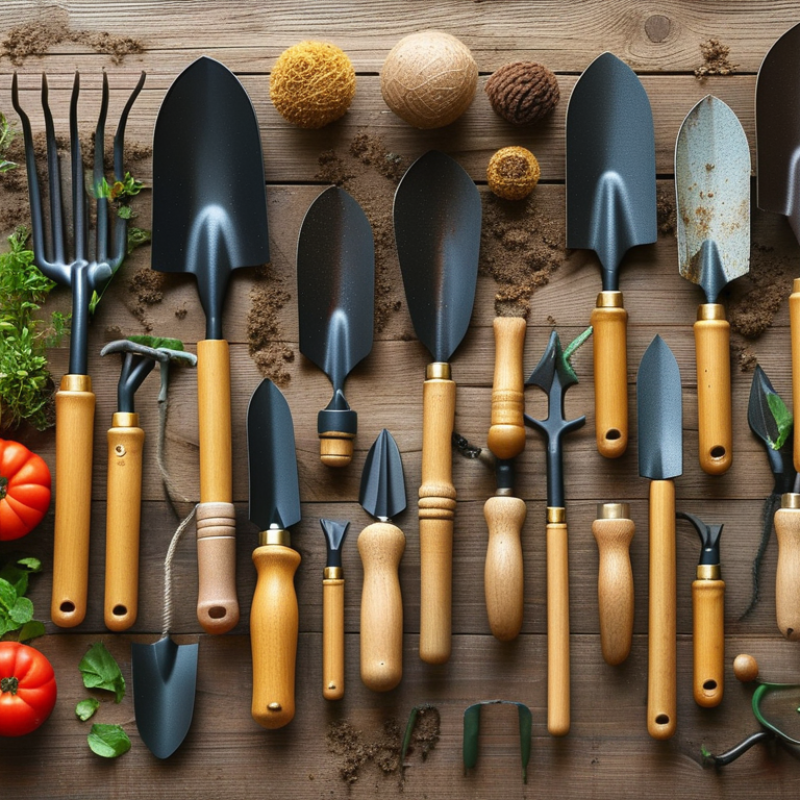
When choosing the right gardening tools, it’s crucial to identify your specific gardening needs and goals. What type of garden do you have? Do you focus on vegetables, flowers, or a mix? Understanding the plants you intend to grow allows you to select tools that cater to those needs. For instance, a vegetable garden will require different tools than a flower bed. Consider your space, soil type, and climate when assessing your requirements.
Begin by evaluating the size of your garden. A small urban garden may only need basic tools, while a larger plot will benefit from more specialized equipment. Do you need hand tools like trowels and pruners, or will larger tools like hoes and rakes be necessary? Reflect on whether you prefer traditional hand tools or modern, ergonomic options. Your comfort and ease of use play a significant role in sustaining your gardening ambitions.
Set clear gardening goals.
Are you aiming for a bountiful harvest or a stunning floral display? Knowing your objectives helps streamline your tool selection. Don't neglect maintenance requirements. Some tools may demand more upkeep than others. Imagine using a tool that doesn’t live up to your needs. It can be frustrating. Therefore, thoughtful consideration of your gardening requirements is essential for success.
When selecting gardening tools, understanding the types of gardens you plan to maintain is crucial. Different gardens require specific tools to thrive. For example, a vegetable garden needs tools for planting and harvesting. In contrast, a flower garden may focus more on pruning and weeding.
*Tips: Think about the terrain too. Is your garden flat or hilly? This could influence your tool choices.*
You might also maintain a more ornamental garden. In this case, specialized tools for delicate plants can make a difference. Consider whether you want to grow herbs as well. Herb gardens often have unique requirements for care and maintenance.
*Tips: Invest in quality tools that feel comfortable in your hands. Improperly sized tools can lead to fatigue and affect your gardening experience.*
Lastly, reflect on your gardening goals. Are you looking for a hobby or aiming for sustainability? Different goals might lead to different tool selections. It’s important to adapt your choices as you gain experience. Gardening can be unpredictable. Learning from those experiences is part of the journey.
Gardening tools come in various types,
each designed for specific tasks. Understanding their uses can significantly improve your gardening experience.
Hand tools, such as trowels and pruners,
are essential for small tasks. They fit comfortably in your hand and allow for precision.
For larger jobs, consider using digging forks and shovels.
These tools help you break ground and move soil efficiently.
Power tools also play a vital role in gardening.
Lawn mowers and hedge trimmers save time and reduce physical strain.
However, not all gardens require power tools. It's important to assess your garden size and needs.
Some gardeners may find themselves overwhelmed by the choices available.
Simplicity can sometimes be more effective than a multitude of gadgets.
When choosing tools, prioritize quality over quantity.
Investing in a few reliable items can yield better results than a full shed of cheap tools.
Remember, your tools need maintenance too. Regularly sharpen blades and clean handles to ensure efficiency.
Reflect on your gardening habits; this can help identify which tools are truly necessary for your tasks.
Choosing the right gardening tools can greatly enhance your gardening experience. When evaluating tools, consider quality, durability, and ergonomics. High-quality tools often last longer and perform better. Look for materials that resist rust and wear, such as stainless steel or high-grade aluminum. A durable tool will endure the wear and tear of regular use, saving you money in the long run.
Ergonomics is crucial for preventing strain during gardening tasks. Tools with comfortable grips help reduce hand fatigue. Check for lightweight designs and consider the balance of the tool. A well-designed tool allows for more control and less effort. If a tool feels awkward while using it, rethink its suitability for your needs.
**Tips:** Test tools in-store before purchasing. If possible, try gripping and using them. Pay attention to how they feel in your hand during movement. Don't be afraid to invest a little more for better comfort and efficiency. Also, remember that even the best tools may need adjustments for a perfect fit. Stay aware of your body’s feedback while using your tools; discomfort is a signal to reassess your choices.
This chart illustrates the quality rating of different gardening tools based on user evaluations. Ratings are scored on a scale from 1 to 10, assessing how well each type of tool meets user expectations in terms of performance and durability.
When budgeting for gardening tools, it's important to find value for your money. Research is key. Start by assessing what tasks you need to accomplish. Think about your garden's size and the type of plants you cultivate. A well-defined plan can save you money.
Quality tools can be expensive, but they often last longer. Look for tools made from durable materials. Stainless steel is a great option. It resists rust and corrosion. You might consider buying used tools as well. Many gardeners sell their equipment when they upgrade or change their methods.
Tips for saving: Choose multi-purpose tools. A cultivator that doubles as a weeder can cut costs. Don't forget about local workshops or gardening clubs. They may offer discounts on bulk purchases. Reflect on your needs regularly. Just because a tool seems cool doesn’t mean you should buy it. Each purchase should align with your gardening goals.
: Gardening tools vary, including hand tools like trowels and pruners for small tasks.
Assess your garden’s size and tasks. Choose tools that suit your specific needs.
High-quality tools tend to last longer and offer better performance, saving money over time.
Look for stainless steel or high-grade aluminum as they resist rust and wear.
Well-designed tools can prevent strain and improve comfort, reducing hand fatigue during use.
Yes, comfort is essential. Test tools in-store to see how they feel in your hand.
Research tasks needed and consider multi-purpose tools to save money and space.
Yes, used tools can be cost-effective since many gardeners sell them after upgrades.
Regularly reflect on your gardening needs. Tools that seemed cool initially may not be necessary.
If a tool feels uncomfortable, rethink its suitability for your gardening tasks.
Choosing the right gardening tools is essential for anyone looking to cultivate their green space effectively. To begin, identify your gardening requirements and goals, as these determine the specific tools you will need. Assess the types of gardens you plan to maintain—whether they're vegetable, flower, or ornamental gardens—since different gardens often require specialized tools.
Furthermore, it's important to understand the various types of gardening tools available, including hand tools, power tools, and maintenance equipment, along with their specific uses. Evaluation of tool quality, durability, and ergonomics will ensure that you invest in tools that are comfortable and long-lasting. Finally, establish a budget and consider value for money when selecting your tools, which will help you build a practical and efficient gardening toolkit. By following these guidelines on how to choose the right gardening tools, you can create a flourishing garden tailored to your needs.

Petalyx Irrigation