Preparing soil for planting is crucial for a successful garden. Understanding how to prepare soil for planting can make all the difference. Healthy soil supports robust plants. It holds nutrients, retains moisture, and promotes root growth.
To start, analyze your soil. Test its pH and nutrient levels. You may find your soil lacking in essential minerals. This isn’t uncommon. Amending soil may feel overwhelming. However, small changes can yield significant results. Adding organic matter, like compost, enhances fertility. This is an effective way to improve structure and drainage.
Remember, preparing soil isn’t a one-time task. It requires regular attention and adjustments. With time and care, you'll gain deeper insight into your garden's needs. Focus on building a strong foundation. In turn, you create an environment for plants to thrive. It's all about balance and patience.
Understanding Soil Types and Their Role in Plant Growth
Understanding soil types is crucial for successful planting. Different plants thrive in specific soil conditions. Sandy soil drains quickly but may lack nutrients. This can lead to stunted growth. Clay soil, on the other hand, retains moisture but can become compacted, limiting root expansion. Loamy soil is often considered the ideal mix. It balances drainage and nutrient retention.
When preparing your soil, consider its texture and structure. Test its pH to gauge acidity or alkalinity. A simple home kit can help with this. Also, consider adding organic matter. Compost or well-rotted manure improves soil health. It provides nutrients while enhancing moisture retention.
Occasionally, re-evaluating your soil’s condition is necessary. Seasonal changes affect its properties. Heavy rains can wash away vital nutrients, while prolonged dry spells may lead to hardening. Keep an eye on visible signs. If plants struggle to grow, it might be time for a soil amendment. Continuous learning about your soil will lead to better planting outcomes.
The Importance of Soil Testing Before Planting
Soil testing plays a crucial role in successful planting. Many gardeners overlook it, but doing so can lead to poor plant health. Testing helps determine the pH level and nutrient content, which are vital for plant growth. A simple soil test can reveal deficiencies or excesses that could harm your garden.
Understanding your soil's composition allows for better planning. For example, high nitrogen levels might encourage leafy growth but inhibit flowering. Acidic soils can restrict the availability of essential nutrients. By knowing these details, you can amend the soil appropriately. This targeted approach can lead to healthier plants and higher yields.
Not all soil tests are the same. Some may provide extensive reports, while others offer basic insights. It’s important to reflect on these differences. For many, the first test comes as a learning experience. It highlights the necessity of adapting practices based on results. Armed with this information, gardeners can fine-tune their planting strategies for improved outcomes.
10 Essential Tips to Prepare Soil for Planting Success
| Tip Number |
Tip |
Details |
| 1 |
Conduct Soil Test |
Assess pH and nutrient levels for optimal plant growth. |
| 2 |
Clear Debris |
Remove old plants, stones, and weeds to prevent diseases. |
| 3 |
Add Organic Matter |
Incorporate compost or well-rotted manure to improve soil structure. |
| 4 |
Check Drainage |
Ensure soil drains well; amend if necessary. |
| 5 |
Loosen Soil |
Use a hoe or tiller to aerate the soil and improve root penetration. |
| 6 |
Adjust pH |
Add lime to raise pH or sulfur to lower it based on soil test results. |
| 7 |
Test Nutrient Levels |
Evaluate nitrogen, phosphorus, and potassium concentrations. |
| 8 |
Plan Crop Rotation |
Rotate crops to prevent nutrient depletion and pest build-up. |
| 9 |
Mulch the Soil |
Apply mulch to retain moisture and suppress weeds. |
| 10 |
Regular Follow-up Testing |
Conduct soil tests annually to track changes and make adjustments. |
Steps to Improve Soil Drainage for Healthy Roots
Improving soil drainage is critical for healthy plant roots. Poor drainage can lead to waterlogged soil, which suffocates roots and encourages disease. To prepare your soil, start by assessing its texture. Sandy soils drain well, while clay retains moisture. Understanding your soil's type helps in planning your drainage strategy.
Amend your soil with organic matter. Compost can enhance drainage by breaking up compacted soil. Spread a layer of compost and mix it into the top few inches of the soil. Adding coarse materials like perlite or sand can also improve aeration. However, be careful not to overdo it. Too much perlite can lead to overly dry conditions.
Installing drainage solutions may seem daunting, but it’s often necessary. Consider creating raised beds if you live in a particularly wet area. They allow excess water to flow away from the roots. Regularly monitor how well these solutions work. It’s a learning process. If your plants still struggle, reevaluate your methods. Resilience in gardening means adapting and improving continuously.
Nutrient Enrichment: Adding Organic Matter for Fertility
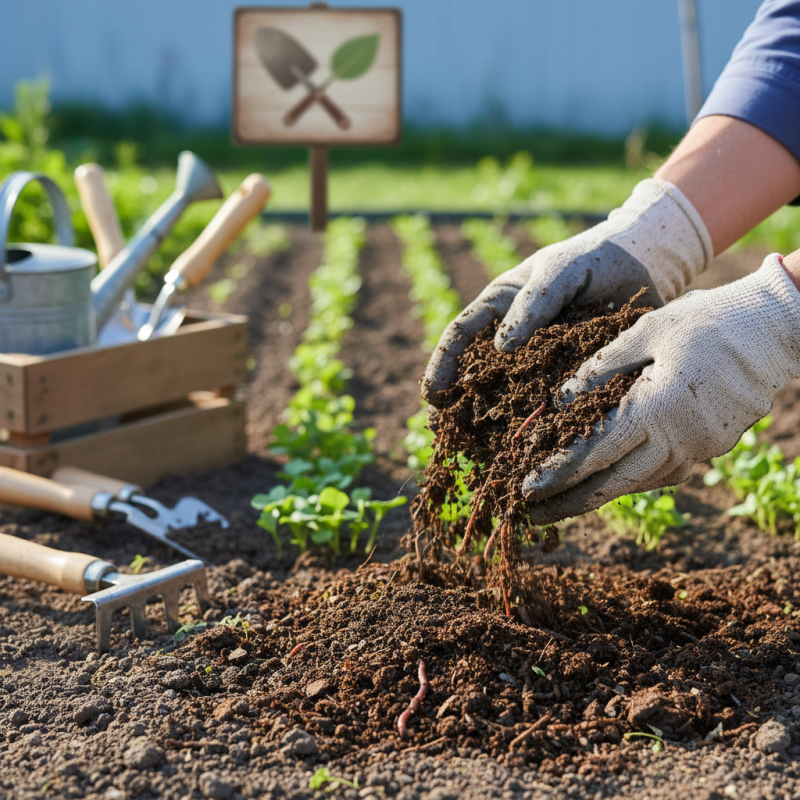
Preparing soil for planting involves vital steps. One key aspect is nutrient enrichment. Adding organic matter significantly enhances soil fertility. Organic matter includes compost, manure, or leaf mold. These materials provide essential nutrients for plants. They also improve soil structure.
When you add organic matter, it enhances water retention. This is crucial during dry spells. However, not all organic matter decomposes evenly. Some may break down too slowly, affecting plant growth. It’s important to monitor soil health consistently. Test your soil to know its current nutrient levels.
Choosing the right organic matter can be challenging. Some sources may introduce pests or diseases. Always source from reliable places. Incorporating organic material needs careful planning. Keep an eye on your plants as they grow. They will show signs of nutrient deficiency if something is off. Regularly evaluating your soil’s condition will guide your amendments effectively.
10 Essential Tips to Prepare Soil for Planting Success
This chart illustrates the essential nutrient contents in soil for optimal planting success. Enhancing soil with organic matter and ensuring proper levels of key nutrients is crucial for promoting plant growth and fertility.
Techniques for Proper Soil Aeration and Mixing
Soil aeration is vital for healthy plant growth.
Proper aeration allows air, water, and nutrients to reach plant roots. Research indicates that well-aerated soil can increase crop yield by up to 30%.
A compacted soil layer can hinder root development and water absorption. To avoid this, regularly check soil structure.
Mixing soil components helps improve aeration. Adding organic matter, such as compost, can enhance the soil texture.
This not only aids in aeration but also boosts nutrient availability. According to the USDA, incorporating organic materials can increase microbial activity, which benefits plant health.
Tips: Regularly use a garden fork to loosen the topsoil.
This promotes better air circulation. Avoid overwatering, as saturated soil can become compacted.
For new gardens, consider mixing in sand for better drainage. Each soil type requires its specific care.
Not all plants thrive in the same conditions. Knowing your soil’s composition is key.
Conclusion
Preparing soil for planting is a crucial step to ensure successful plant growth. Understanding different soil types and their specific roles helps gardeners choose the right conditions for their plants. Before planting, conducting soil tests is essential to assess nutrient levels and pH balance, which directly impact plant health. Improving soil drainage is also vital, as it promotes healthy root systems; this can be achieved through various methods such as raised beds or the addition of sand and organic materials.
In addition to drainage, enhancing soil fertility by incorporating organic matter, like compost, enriches the soil nutrients. Furthermore, proper soil aeration and mixing techniques can foster better air circulation and root development. By following these fundamental steps on how to prepare soil for planting, gardeners can create optimal growing conditions, leading to thriving plants and productive gardens.

 Petalyx Irrigation