Cleaning tools are essential for maintaining a healthy living environment. Yet, many people overlook the importance of replacing them regularly. So, how often should cleaning tools be replaced? This question is crucial for ensuring efficiency and hygiene in your cleaning routine.
A worn-out broom or mop may leave dirt behind. Old sponges can harbor bacteria, posing health risks. In contrast, fresh tools enhance your cleaning efficiency, making the job easier and more effective. Regularly assessing the condition of your cleaning supplies will improve your home’s cleanliness.
Experts suggest replacing specific tools at set intervals. For example, replace sponges every month and replace vacuum filters based on usage. Additionally, some people might hesitate to replace tools they feel still work. Reflecting on this can lead to inevitable compromises in cleanliness. Investing in new tools is key to a truly clean home.
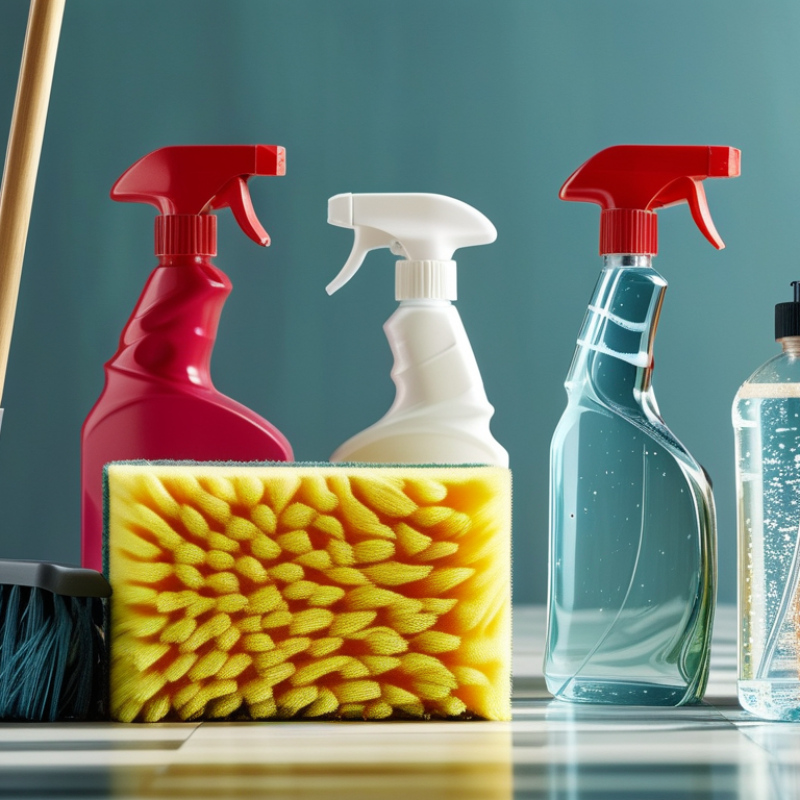
When considering the lifespan of cleaning tools, several factors come into play. The frequency of use, material quality, and storage conditions are critical. High-quality tools typically last longer. However, even premium items can wear out quickly without proper care.
For instance, mops that are used daily tend to degrade faster than those used less frequently. Check for frayed edges or worn-out bristles. These signs indicate it's time for a replacement. Additionally, consider how you store your tools. Humid environments can lead to mold and decay. Keep them dry and stored upright when possible.
Tips: Inspect your cleaning tools regularly. A quick visual check can save you money and effort. Clean them after use to extend their lifespan. This simple act prevents dirt buildup, making them more effective. Finally, don’t hesitate to replace tools that are compromised. Using damaged tools can hinder your cleaning efforts and may not sanitize effectively.
When it comes to cleaning tools, knowing when to replace them is key for effective hygiene. Sponges, often used daily, should be changed every two to three weeks. They can harbor bacteria over time, leading to less effective cleaning.
Mops and brooms need attention, too. A mop head might look clean but can retain germs. It's best to replace it every six months for optimal results. Brooms should be inspected regularly, and their bristles replaced when they start to fray.
Tips: Keep a calendar to track replacements. This helps avoid overlooking the need for fresh tools. Also, consider keeping a few extra cleaning tools handy. It saves time when replacements are due. Regularly check the condition of your tools to maintain a clean and safe environment. Remember to reflect on how well your current tools are performing; a noticeable decline is often a sign that it's time for an upgrade.
Cleaning tools are essential for maintaining a tidy home. However, they don’t last forever. Knowing when to replace them can significantly impact your cleaning results. Here are some signs that it might be time to toss those worn-out tools.
If your mop leaves streaks instead of soaking up dirt, it's time for a replacement. A frayed broom will simply push dust around. Similarly, if your vacuum doesn’t pick up debris, check the filters or consider a new one. Tools that don’t effectively clean create more work for you in the long run. Worn-out sponges harbor bacteria. If the sponge smells bad or doesn’t dissolve stains, replace it to keep your environment hygienic.
Pay attention to worn-out handles or broken parts. Tools like scrub brushes lose their effectiveness with bent bristles. If you find yourself using more elbow grease than the tool should require, it’s time to rethink your choices. The investment in new tools pays off with cleaner surfaces and less frustration. Remember, keeping your cleaning arsenal fresh is vital for your overall health and home cleanliness.
| Cleaning Tool | Recommended Replacement Frequency | Signs of Wear |
|---|---|---|
| Sponges | Every 2-4 weeks | Odor, discoloration, or visible degradation |
| Mops | Every 6 months | Fraying, bad smell, or mold growth |
| Brooms | Every 1-2 years | Bristles wear down or become bent |
| Vacuum Cleaner Bags | Every 1-3 months | Reduced suction power |
| Window Wipers | Every 6 months | Streaking or ineffective cleaning |
| Toilet Brushes | Every 6 months | Bristles stiffening or discoloration |
Maintaining your cleaning tools is essential for their longevity. A well-cared-for broom can last several years, while a neglected one might fall apart in months. Regularly check the bristles for wear. Replace them when they become too frayed or bent.
Dirty mops should be washed after every use. If they start to smell despite washing, consider replacing them.
For sponges, hygiene is key. Replace them every couple of weeks or sooner if they show signs of odor. Drying them thoroughly after each use helps to extend their life. Store tools in a clean, dry space. Moisture can lead to mold growth, ruining your cleaning gear.
Be mindful of how you're using these tools. Overworking them can cause unnecessary damage. For example, using a heavy-duty scrubber on delicate surfaces might wear it out quickly. Reflect on your cleaning techniques. Adjusting them can save your tools from premature wear and tear.
Old cleaning tools can severely hinder your cleaning efficiency and impact hygiene. Over time, brushes, mops, and sponges accumulate dirt, grime, and bacteria. A worn-out sponge might seem harmless, but it becomes a breeding ground for germs. Studies show that using an old mop can spread more dirt than it cleans. This is more than just disappointing; it poses health risks, especially in kitchens and bathrooms.
Regular replacement of cleaning tools is essential. A frayed broom won't capture dust effectively. A dirty cloth can smear surfaces rather than clean them. It's not just about aesthetics; it's about the functionality of your tools. Using ineffective tools wastes time and energy. You may feel like you're cleaning, but are you really making an impact? Additionally, the emotional aspect cannot be ignored. Using tools that are in good condition improves motivation and leads to better results. Reflect on the last time you replaced your tools. If it's been longer than a few months, it might be time for an upgrade.
: Inspect your cleaning tools regularly. A quick visual check can save you money and effort.
If your mop leaves streaks or doesn’t absorb dirt, it's time for a replacement.
Yes, old tools can harbor bacteria, posing health risks, especially in kitchens and bathrooms.
Humid storage conditions can lead to mold and decay, shortening the lifespan of your tools.
Worn sponges can harbor bacteria. If they smell bad, replace them to maintain hygiene.
Using ineffective tools wastes time and energy, leading to unsatisfactory cleaning results.
Tools used daily tend to degrade faster than those used less frequently, leading to quicker replacements needed.
Focus on material quality. High-quality tools last longer and perform better when properly cared for.
Tools in good condition improve motivation and lead to better cleaning results, affecting overall efficiency.
Clean your tools after use to prevent dirt buildup and store them dry and upright whenever possible.
Cleaning tools are essential for maintaining a hygienic environment, but understanding how often should cleaning tools be replaced is crucial for maximum efficiency. Various factors, such as the type of tool, frequency of use, and the surfaces being cleaned, influence their lifespan. Common cleaning tools like mops, sponges, and vacuum filters have recommended replacement frequencies that should be adhered to for optimal performance.
Signs that indicate it's time to replace your cleaning tools include visible wear and tear, reduced effectiveness, and persistent odors. Regular maintenance can extend the life of these tools; for instance, washing and properly drying them after use can prevent mold and bacteria buildup. Using old cleaning tools may negatively impact cleaning efficiency and hygiene, making it necessary to be vigilant about their condition and replacement timing.

Petalyx Irrigation