How to Clean Your House Efficiently?

Time:2026-09-22 Author:Mason
0%

A clean home does not require endless scrubbing or expensive equipment. It requires a repeatable plan, realistic priorities, and attention to small details. This guide explains how to clean your house efficiently without turning the process into an exhausting weekend project. It focuses on practical routines, useful tools, and safer decisions for different rooms and surfaces.

Melissa Maker, founder of Clean My Space and a respected cleaning educator, says, “Cleaning is not a talent; it’s a skill.” That idea changes the entire approach. Instead of rushing randomly from room to room, you can work in zones. Gather laundry, dishes, and rubbish first. Then dust high surfaces before vacuuming the floor. A ten-minute timer can make a cluttered kitchen feel less intimidating.

Small details matter. Wipe fingerprints from cabinet handles, rinse the sink, and clean beneath movable appliances. Use separate cloths for kitchens and bathrooms. Read product labels carefully, and never mix cleaning chemicals. Ventilate the room when appropriate. Test unfamiliar products on a hidden surface.

No routine is flawless. I still miss the top edge of a door or discover dust behind the sofa. That is normal. Efficient cleaning means reducing repeated effort, not achieving a perfect home every day. This outline will examine room-by-room methods, weekly maintenance, decluttering choices, and common mistakes. It will also question habits that look productive but waste time, such as polishing surfaces before removing dust. The goal is a cleaner home with less friction and more control.
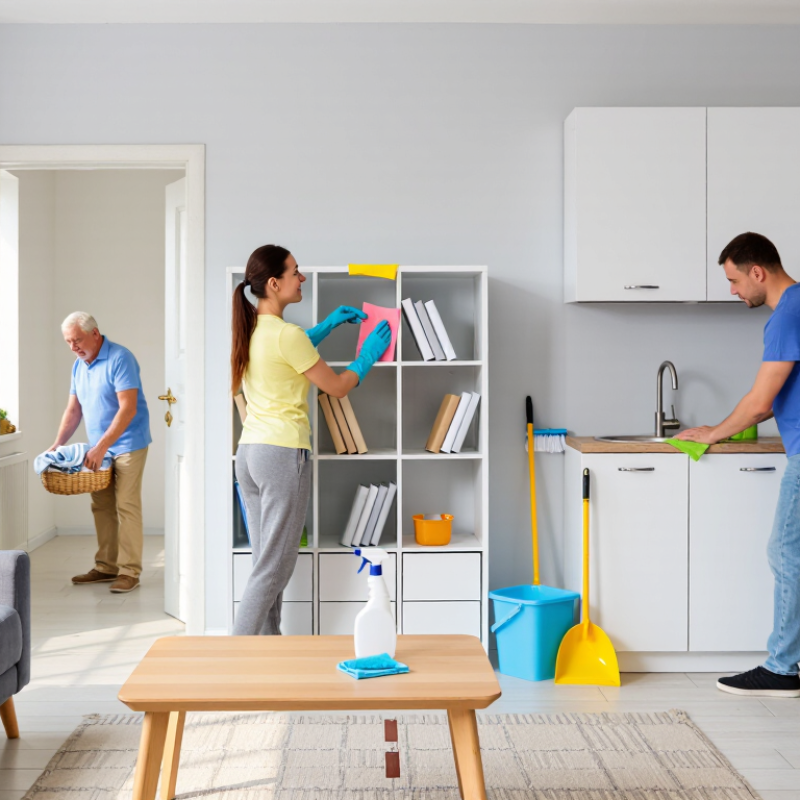
How to Clean Your House Efficiently?

Set Up Your Cleaning Plan and Gather the Right Supplies

How to Clean Your House Efficiently?

Set Up Your Cleaning Plan and Gather the Right Supplies

An efficient clean starts with a small, visible plan. Walk through each room and note dust, grease, clutter, and high-touch surfaces. The U.S. Bureau of Labor Statistics reported that people aged 15 and over spent 2.27 hours daily on household activities in 2023. That figure includes cooking, cleaning, and household care, so a clear system can protect valuable time. Set a 30-minute target for each zone. Do not plan the entire house at once.

Prepare one washable caddy with microfiber cloths, a vacuum, a soft brush, gloves, and separate surface cleaners. Read every product label and follow its contact time. The U.S. Environmental Protection Agency advises using products according to their directions and never mixing cleaners. Keep ventilation moving, especially in small bathrooms. Start with high surfaces, then work downward. Clean dry dust before using a damp cloth. Otherwise, you may create a muddy film.

Use a simple route: bedrooms, living areas, kitchen, then bathroom. Place a laundry basket near the doorway for misplaced items. I often overestimate what fits into one session. That mistake makes the plan fragile. Leave ten minutes for unfinished work and record what slowed you down. A forgotten corner is useful evidence, not failure. Refill supplies only after checking what you already own.

How to Clean Your House Efficiently? - Set Up Your Cleaning Plan and Gather the Right Supplies

Cleaning Zone Main Tasks Recommended Supplies Estimated Time Suggested Frequency Priority Efficiency Tip
Whole House Open windows when appropriate, collect clutter, empty small wastebaskets, and work from top surfaces downward.
  • Reusable cleaning cloths
  • All-purpose cleaner
  • Waste bags
  • Gloves
10–15 min Before each cleaning session High Carry supplies in one caddy to reduce trips between rooms.
Kitchen Clear counters, wash dishes, wipe food-preparation surfaces, clean the sink, and sweep or mop the floor.
  • Dish soap
  • Microfiber cloths
  • Non-abrasive scrub pad
  • Broom or mop
20–30 min Daily light clean; weekly detailed clean High Let stuck-on residue soak while completing another task.
Bathroom Clean the toilet, sink, shower or tub, mirrors, fixtures, and floor; remove visible hair and residue.
  • Bathroom cleaner
  • Toilet brush
  • Glass cloth
  • Grout brush
  • Gloves
20–30 min Weekly; more often in heavily used bathrooms High Apply suitable products first and follow each product’s contact-time instructions.
Living Room Put items away, dust high-to-low surfaces, vacuum upholstery if needed, and vacuum or sweep the floor.
  • Dusting cloth
  • Vacuum cleaner
  • Crevice attachment
  • Storage basket
15–25 min Weekly; spot-clean as needed Medium Declutter before dusting so surfaces only need to be cleaned once.
Bedrooms Change bedding, make the bed, dust furniture, empty wastebaskets, and vacuum or sweep the floor.
  • Clean bed linens
  • Dusting cloth
  • Vacuum or broom
  • Laundry basket
15–20 min per room Weekly; change bedding according to household needs Medium Start laundry first so bedding can wash while other tasks are completed.
Floors Remove loose dirt, vacuum or sweep edges and open areas, then mop only where the flooring allows it.
  • Vacuum cleaner
  • Broom and dustpan
  • Mop
  • Floor-appropriate cleaner
15–30 min Weekly; high-traffic areas as needed High Clean floors last to avoid putting dust and debris back on them.
High-Touch Areas Wipe frequently handled surfaces such as door handles, light switches, remote controls, and faucet handles.
  • Disposable or reusable cloths
  • Suitable surface cleaner
  • Gloves
5–10 min Several times per week or when visibly soiled High Use a separate cloth for bathroom surfaces and do not mix cleaning chemicals.
Final Check Return supplies, replace liners, check for missed spots, rinse reusable tools, and allow damp areas to dry.
  • Storage caddy
  • Fresh waste bags
  • Dry towels
  • Cleaning-tool rack
5–10 min After every cleaning session Low Store tools clean and dry to help prevent odors and extend their useful life.

Safety note: Read product labels, use ventilation when recommended, keep cleaning products away from children and pets, and never mix bleach with ammonia or acidic cleaners.

Declutter Each Room Before Cleaning Surfaces

How to Clean Your House Efficiently?

Declutter each room before cleaning surfaces. Loose objects hide dust, slow your movement, and create repeated work. I use three containers: keep, relocate, and discard. I remove obvious rubbish first, then return misplaced items to their proper rooms. A clear floor also makes vacuuming safer and more thorough. The U.S. Environmental Protection Agency reports that indoor pollutant levels can be two to five times higher than outdoor levels. Dust control matters, but decluttering alone does not improve air quality. Ventilation and regular cleaning still matter.

Work in small zones rather than attacking the entire house. In the living room, clear the coffee table and sofa first. In the kitchen, remove expired food and unused tools before wiping counters. In the bedroom, make the bed after clearing nearby surfaces. A 2010 study from the University of California, Los Angeles, published in Personality and Social Psychology Bulletin, linked household clutter with stress-related cortisol patterns. That finding is useful, though it does not prove every untidy room causes stress. My own method is imperfect; I sometimes keep items “just in case” and regret the decision later.

Tips: Set a ten-minute timer for each room. Fill one bag, not five. Keep daily-use items visible, but store duplicates elsewhere. Clean from high surfaces downward, then vacuum last. Use a slightly damp microfiber cloth to reduce airborne dust. If an item has no clear purpose, pause before keeping it. That pause can be surprisingly difficult.

Clean Rooms from Top to Bottom

How to Clean Your House Efficiently?

Cleaning from top to bottom keeps falling dust from undoing your work. Start with ceiling fans, light fixtures, vents, and the tops of cabinets. Use a slightly damp microfiber cloth, not a dry feather duster. Dust gathers visibly along the blade edges. It also hides above eye level.

The U.S. Environmental Protection Agency reports that indoor pollutant levels can be two to five times higher than outdoor levels. Regular high-surface cleaning can support better indoor air quality, although it cannot replace ventilation.

Work downward through shelves, furniture, counters, and appliances. Clean one room at a time, moving clockwise to avoid skipping corners. Keep separate cloths for kitchens and bathrooms. Apply disinfectant only after removing visible dirt, then follow the product’s stated contact time. That step is easy to rush. I sometimes wipe too soon and assume the surface is safe, which is not a reliable habit. Professional cleaning guidance commonly emphasizes dwell time because effectiveness depends on keeping the surface visibly wet long enough.

Finish with baseboards and floors. Vacuum slowly along edges, beneath furniture, and around door tracks before mopping. Use clean water when it becomes cloudy.

A 2023 indoor environmental quality review from the National Center for Healthy Housing highlights floors and settled dust as important household exposure areas, especially for children.

My own routine still misses the space behind the sofa. That gap deserves inspection, not excuses. Clean high, then low, and let gravity work for you.

Sanitize High-Touch Areas and Deep-Clean Floors

Cleaning works better when I divide the house into touch points and floor zones. I keep clean cloths, gloves, warm water, and a suitable disinfectant nearby. Read the product label carefully. For high-touch areas, I wipe door handles, light switches, railings, faucet levers, and remote controls. I remove visible dirt before disinfecting, because grime can reduce effective surface contact.

I clean from less dirty to dirtier areas, changing cloth sides often. The surface must stay visibly wet for the stated contact time. That step is easy to miss. Never mix cleaning chemicals. For floors, I first vacuum or sweep slowly, including corners beneath furniture. Then I mop with a well-wrung head, working toward the exit. Too much water can damage wood, loosen seams, and leave slippery patches. Use a floor cleaner suited to the material, and test it in a hidden spot.

I rinse the mop when the water turns gray, rather than spreading a dull film. High-touch areas near pets or young children may need more frequent attention. I rush hallways sometimes. That mistake leaves footprints and missed edges. Now I pause under chairs and check the floor at eye level. This routine is not perfect, but it shows me where my cleaning habits fail.

Inspect Your Work and Maintain a Simple Cleaning Routine

How to Clean Your House Efficiently?

A simple routine works better than a heroic cleaning day. I begin by opening windows and removing clutter from visible surfaces. Then I clean from higher areas downward, so dust does not settle on finished floors. A microfiber cloth slightly dampened with water usually handles shelves, tables, and door frames. I keep separate cloths for kitchens and bathrooms to reduce cross-contamination. For safety, I never mix cleaning chemicals, and I follow each product’s label instructions.

Tips: Set a ten-minute timer for one small area. Keep a basket nearby for misplaced items. Vacuum slowly around corners and beneath furniture. Check damp surfaces before leaving the room, especially near sinks. These details often reveal missed grime.

Inspect your work under natural light. Walk through the room from the doorway and look at eye level first. I sometimes notice fingerprints on cabinet handles only after stepping back. Check floors for crumbs, mirrors for streaks, and bins for odors. If something still looks dirty, ask whether the method was wrong, not whether you worked hard enough. I used to rush the final inspection, and that made my routine less reliable. Now I leave five minutes for corrections and record tasks that need weekly attention. Some areas still escape me, but the process improves when I notice them.

How to Clean Your House Efficiently?

Inspect your work after each task and maintain a simple routine by focusing on short, repeatable cleaning sessions.

Planning guide: These practical time targets organize common household tasks into manageable sessions. Adjust the duration according to your home's size and condition, then inspect each area before finishing.

FAQS

What should I do before cleaning surfaces?

Declutter each room first. Use containers for items to keep, relocate, or discard. Remove rubbish before dusting.

Why does decluttering make cleaning easier?

Loose objects hide dust and slow movement. A clear floor makes vacuuming safer and more thorough. It does not improve air quality alone.

How can I clean one room without feeling overwhelmed?

Work in small zones. Set a ten-minute timer for one area, such as a coffee table or kitchen counter.

Which surfaces need frequent attention?

Wipe door handles, light switches, railings, faucet levers, and remote controls. These areas collect frequent hand contact.

How should I disinfect a visibly dirty surface?

Remove dirt before applying disinfectant. Keep the surface visibly wet for the label’s stated contact time. Never mix chemicals.

What is the best order for cleaning floors?

Vacuum or sweep slowly first, including corners beneath furniture. Mop toward the exit with a well-wrung mop. Too much water can damage some floors.

How can I avoid spreading grime while mopping?

Rinse the mop when the water turns gray. Change cloth sides often. I sometimes rush hallways and miss edges.

How should I inspect my cleaning work?

Check the room under natural light. Look at cabinet handles, mirrors, corners, crumbs, and bin odors. Leave five minutes for corrections.

How can I maintain a simple cleaning routine?

Keep a basket nearby for misplaced items. Clean from high surfaces downward, then vacuum last. Record tasks needing weekly attention.

What cleaning mistakes should I reconsider?

Keeping every item “just in case” creates clutter. Rushing the final inspection also reduces reliability. My method remains imperfect.

Conclusion

Learning how to clean your house efficiently starts with a clear plan. Walk through your home, decide which rooms need the most attention, and gather basic supplies before you begin. Remove clutter from each room first so surfaces and floors are easier to reach. Then work from top to bottom: dust higher areas, wipe furniture and counters, and finish with lower surfaces. This approach prevents dirt from falling onto areas you have already cleaned.

After the main cleaning is complete, sanitize frequently touched areas such as handles, switches, and faucets. Deep-clean the floors according to their surfaces, paying special attention to corners and hidden spaces. Finally, inspect each room for missed spots and return items to their proper places. To keep your home fresh, create a simple routine with short daily tasks and a more thorough weekly cleaning session. With organization and consistency, how to clean your house efficiently becomes a practical habit rather than a difficult chore.

Mason

Mason

Mason is a seasoned marketing professional with a deep expertise in the company's offerings and a passion for driving brand awareness. With a strong background in digital marketing strategies, he has an innate ability to connect with diverse audiences and effectively communicate product benefits.......