A splash of coffee on a white cuff can look permanent, but the wrong first move may set the mark deeper. The practical question is: what is the best way to remove stubborn stains without damaging the fabric? The answer depends on the stain, the garment, and how soon you act. Blotting is often safer than rubbing; heat can make some stains harder to remove. Small choices matter.
There is a wider reason to care for clothes carefully. The U.S. Environmental Protection Agency’s 2018 Advancing Sustainable Materials Management report estimated that Americans generated 17 million tons of textile waste. About 11.3 million tons went to landfills. Those figures do not show that stains cause clothing waste, but they underline the value of keeping usable garments in service. Stain treatment is one modest part of that effort.
Reliable guidance also needs more than kitchen-trick folklore. AATCC’s TM130 test method evaluates how well fabrics release oily stains after laundering, giving textile professionals a standardized way to assess soil release. Yet no single method works on every fiber or stain. A dab of detergent may help a washable cotton shirt, while delicate fabrics need a gentler approach and a care-label check. Test products on a hidden area. Follow the product label.
There are exceptions. That is worth remembering.
This guide explains how to identify common stains, choose suitable treatments, and avoid mistakes such as scrubbing, mixing products, or applying heat too early. It aims for useful steps, not miracle promises—because even careful advice has limits when a stain’s source or fabric is unknown.
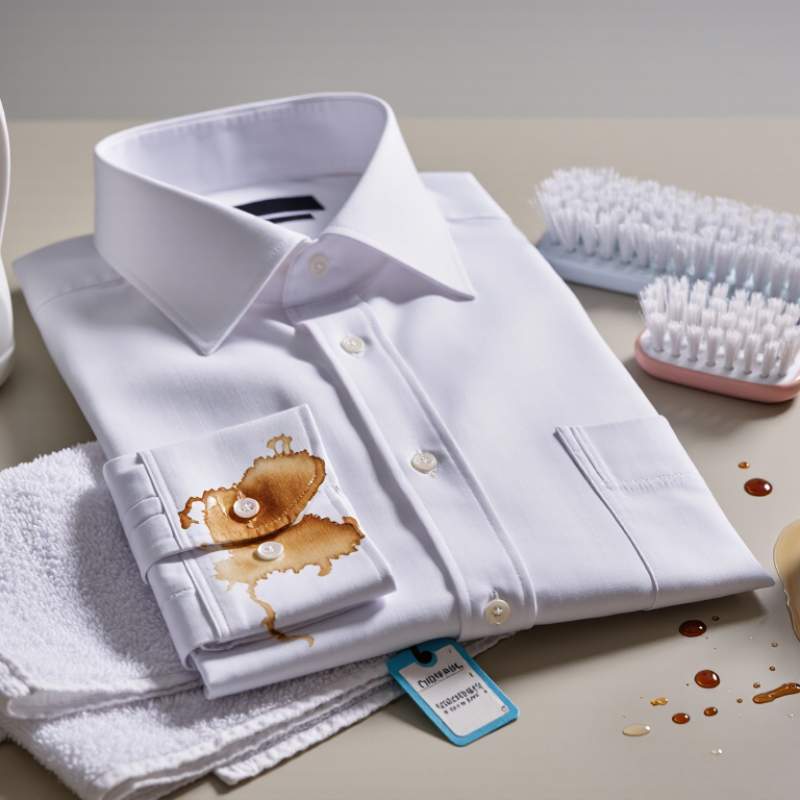
How to Remove Stubborn Stains Easily and Effectively?
Stain removal becomes easier when you identify the stain before treating it. Look closely at its texture, color, and source. Protein stains include blood, milk, eggs, and sweat. They often feel slightly stiff when dry. Oil stains appear darker and may spread around the fabric. Tannin stains come from coffee, tea, fruit, or wine. Dye stains include ink, makeup, and color transfer from another garment.
For protein stains, rinse from the back with cold water. Heat can set the stain permanently. Use a small amount of mild detergent, then gently work it into the fibers. For oil, place an absorbent cloth beneath the area. Apply detergent directly and leave it briefly before washing. Tannin stains usually respond to cool water and diluted detergent. Avoid strong rubbing. It can push the color deeper. Dye stains are more unpredictable. Blot them carefully and avoid spreading the pigment. Professional textile guidance recommends checking the fabric label before using any chemical treatment.
I have removed many stains at home, but I still make mistakes. Once, I used warm water on a protein stain and made it harder to remove. Test every solution on a hidden seam first. Never mix cleaning chemicals. Rinse thoroughly, and inspect the fabric before drying. The dryer can lock in a stain that seemed almost gone.
Start by identifying the stain. Use cool water first for protein stains such as blood and for many tannin or dye stains; warm water may help loosen oily stains. These are general starting points, not strict limits—always check the garment care label and test treatments on an inconspicuous area.
When a stain appears, resist the urge to scrub it immediately. Blot first. Press a clean, white absorbent cloth onto the spot, then lift it straight upward. Rubbing pushes soil deeper and spreads moisture into nearby fibers. Work from the outer edge toward the center. This keeps the mark contained. Replace the cloth as soon as it looks dirty. A soaked cloth can transfer the stain back.
The Carpet and Rug Institute’s professional care guidance recommends blotting and testing cleaning solutions in an unseen area. That small test matters because dyes and fibers react differently. Apply a small amount of solution to the cloth, not directly onto the surface. Use gentle pressure for several seconds. Then lift and inspect. Do not flood the material. The U.S. Environmental Protection Agency reports that indoor pollutant levels can often be two to five times higher than outdoor levels. Residual soil and cleaning chemicals may add to that indoor burden, especially in poorly ventilated rooms.
Patience works better here. Really. For oily marks, several light blotting rounds may be safer than one aggressive treatment. I have sometimes used too much water, thinking faster meant cleaner. It usually created a wider damp ring. After treatment, place a dry towel over the area and weigh it lightly for a few minutes. Allow complete drying, then vacuum gently. If the stain remains, stop experimenting and consult a qualified cleaning professional.
Start by identifying the stain, not the product. Enzymes work best on protein, starch, and greasy food residues. Choose protease for blood or milk, amylase for sauces, and lipase for cooking oil. Apply the treatment to a damp mark, then wait ten minutes. Do not scrub aggressively. It can push the stain deeper into the fibers.
Surfactants are useful when dirt spreads across fabric. They loosen oily particles and help water carry them away. This matters for synthetic clothing. The 2024 Textile Exchange Materials Market Report estimates polyester made up about 57% of global fiber production in 2023. Such fibers can hold body oil near the surface. Use warm water only when the care label allows it. Hot water may set some protein stains.
Oxidizers suit lingering color marks, including tea, wine, and grass. Use them carefully on dyed fabrics. The U.S. EPA’s 2023 Safer Choice Standard evaluates every ingredient for human-health and environmental effects. That standard supports a safer selection process, but it does not replace a patch test. I have found that waiting longer is not always better. A treatment left overnight can fade fabric or weaken fibers. Test an unseen seam first, rinse thoroughly, and inspect the mark before drying. Heat can make failure permanent.
A stubborn stain can make a clean shirt feel ruined. Before treating it, check the care label. It tells you whether the fabric can tolerate water, gentle washing, or only professional cleaning. A small symbol matters. If the label is unclear, test your cleaning method on an inside seam first. I have skipped that check before, and the faded patch taught me not to guess.
Blot fresh stains with a clean cloth rather than rubbing them deeper into the fibers. Use cool water unless the label or stain-care guidance says otherwise. Apply a small amount of suitable detergent, then let it sit briefly. Delicate fabrics may need a gentler approach. Don’t scrub hard; that can roughen the weave or spread the mark. Sometimes the stain looks worse while wet. That part can be frustrating.
After washing, inspect the fabric in good light before using a dryer or iron. Heat can set leftover residue, making the stain much harder to remove. If a mark remains, repeat a label-safe treatment and wash again. Air-dry it for now. For wool, silk, or garments marked for dry cleaning, seek professional advice instead of experimenting. Even careful methods don’t work every time, so check the fabric again before trying a stronger treatment.
| Stain Type | First Step | Treatment Before Washing | Washing Guidance | Heat Precaution |
|---|---|---|---|---|
| Blood | Rinse promptly with cold water, working from the back of the fabric when possible. | Gently work liquid laundry detergent into the remaining mark. For delicate or non-washable fabrics, follow the care label or consult a cleaner. | Wash using the garment’s permitted cycle and temperature. | Do not use hot water or tumble-dry until the stain has disappeared; heat can make protein-based stains harder to remove. |
| Grease or cooking oil | Blot excess oil with a clean cloth or paper towel. Do not rub it deeper into the fabric. | Apply liquid laundry detergent to the affected area and gently work it in. Check the fabric first in an inconspicuous spot. | Wash according to the care label, using the warmest water allowed for that fabric. | Air-dry and inspect the area before using a dryer; heat may set oil residue that remains. |
| Coffee or tea | Blot up the liquid, then rinse the fabric with cool water as soon as practical. | Apply laundry detergent and let it work briefly, following the product directions. Avoid rubbing delicate fibers. | Wash at the temperature and cycle permitted by the care label. | Check that the mark is gone before ironing or machine-drying. |
| Grass | Brush off loose material without spreading the stain. | Apply liquid laundry detergent to the mark and gently work it into the fabric. Test first on colored or delicate items. | Wash according to the care label and inspect before drying. | Keep the item out of the dryer until the stain is removed. |
| Ink | Blot gently with a clean, absorbent cloth; avoid rubbing or spreading the ink. | Check the garment’s care label and test any stain treatment on a hidden area. Some inks may require a solvent-based treatment; follow its directions and use good ventilation. | Wash only if the care label permits, and keep the stained area away from other garments if ink may transfer. | Do not apply heat until the mark is gone, as heat can make some ink stains more difficult to remove. |
| Chocolate | Lift off solid pieces carefully, then rinse from the back of the fabric with cool water. | Apply liquid laundry detergent to the remaining stain and gently work it in. | Wash at the temperature allowed by the care label. | Air-dry and check the fabric before using heat. |
| Deodorant marks | Brush or gently rub away any dry residue with a clean cloth. | Apply liquid laundry detergent to washable fabric and treat according to its care instructions. | Wash using the cycle and temperature listed on the care label. | Inspect the area after washing; do not iron or tumble-dry while a mark remains. |
General guidance: Check the care label before treating or washing any garment. Blot rather than rub, test treatments on an inconspicuous area, and repeat an appropriate treatment if needed. Do not mix cleaning products, and follow the directions on any stain-treatment product.
How to Remove Stubborn Stains Easily and Effectively?
A stain that looks small on a kitchen towel can remain obvious after washing. AATCC TM130 offers a controlled way to assess how well a fabric releases oily soil during laundering. The method applies a soil to textile specimens, washes them under specified conditions, and rates the remaining stain against visual references. It is not a promise that every stain will disappear at home.
The soil-release scale runs from 1 to 5.
A rating of 5 indicates better soil removal; 1 indicates more visible residual soil.
That number is useful. It lets evaluators compare fabrics or finishes tested under the same conditions, rather than relying on vague claims like “easy to clean.” Consistent lighting and trained assessment matter, since visual ratings can be affected by judgment.
For a fair comparison, keep fabric type, wash procedure, and assessment conditions consistent. A high score for oily soil does not necessarily predict results for coffee, grass, or an old stain. Real laundry varies. Water temperature, detergent, and stain age all play a part. Even a careful test cannot reproduce every household wash, so treat the rating as evidence for one defined performance measure—not a guarantee.
Check its color, texture, and likely source. Blood, milk, and sweat are protein stains; coffee and tea are tannins. Dark, spreading marks often contain oil.
Rinse from the back with cold water. Add a little mild detergent and work it in gently. Heat can set the stain.
Put an absorbent cloth beneath the mark. Apply detergent directly, wait briefly, then wash according to the care label.
Enzymes can help with protein, starch, and greasy food residues. Match the enzyme to the stain, and avoid aggressive scrubbing.
Try cool water and diluted detergent. Oxidizers may help with lingering color, but test a hidden seam first.
Blot carefully and avoid spreading the pigment. Dye stains can be unpredictable, so check the fabric label before using a treatment.
A dryer or iron can set leftover residue. Inspect the fabric in good light, then air-dry it if the mark remains.
Rubbing hard may push stains deeper or roughen the weave. Leaving treatment overnight can also fade colors or weaken fibers.
Test it on an unseen seam, follow the care label, and rinse thoroughly. Never mix cleaning chemicals.
Consider it for wool, silk, or garments marked for dry cleaning. Home treatments do not always work, and guessing can leave a faded patch.
Removing stubborn stains starts with identifying what caused them. Protein stains, such as food or bodily fluids, may respond to enzyme-based treatments, while oily marks often need surfactants to loosen grease. Tannin stains from drinks or plants and dye stains may require different approaches, so avoid applying a random cleaner before considering the fabric and stain type. Blot the area gently to lift excess residue; rubbing can push soil deeper or spread it.
If you are wondering what is the best way to remove stubborn stains, match the treatment to the stain, follow the garment’s care label, and wash with the recommended settings. Keep the item away from heat until the mark is gone, since heat can make some stains harder to remove. After washing, inspect the fabric and repeat a suitable treatment if needed. Cleaning performance can also be evaluated using AATCC TM130’s 1–5 soil-release rating, which provides a consistent way to assess how well soil is removed.

Petalyx Irrigation