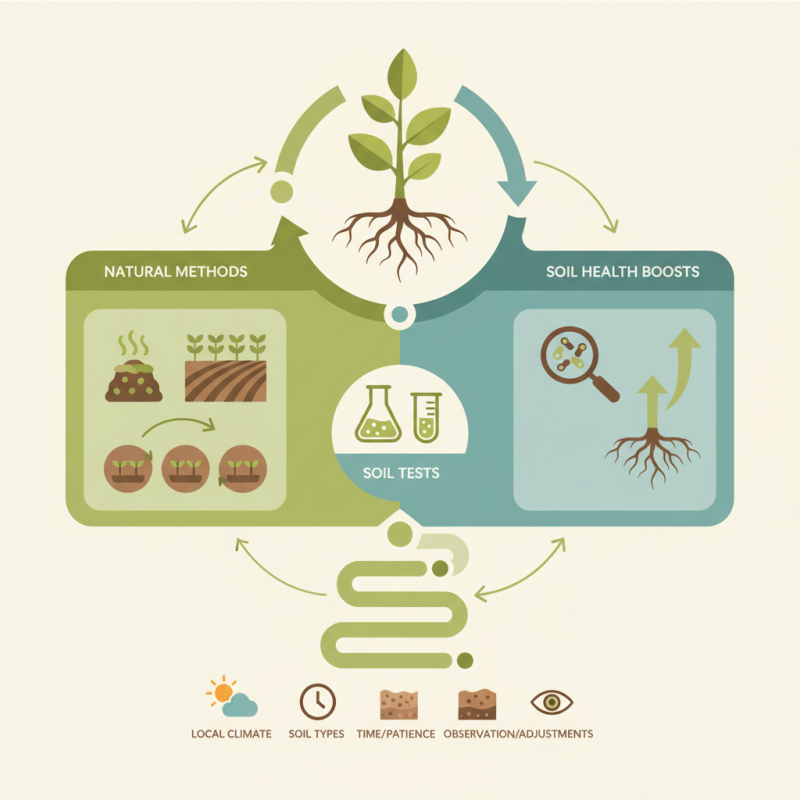
Improving soil quality is crucial for successful plant growth. According to a report by the Food and Agriculture Organization (FAO), about 33% of global soils are degraded. This degradation impacts food security and biodiversity. Many farmers and gardeners seek ways to enhance their soil without synthetic chemicals. Understanding how to improve soil quality naturally is key to sustainable agriculture.
Natural methods can boost soil health. Composts, cover crops, and crop rotation are effective techniques. A study published in the Journal of Soil and Water Conservation showed that organic amendments increase microbial activity by 50%. This supports plant nutrient uptake and overall growth. However, some may overlook the importance of soil tests. Testing reveals nutrient levels and soil pH, guiding proper amendments.
Moreover, improving soil quality is an ongoing journey. Challenges can arise from local climate and soil types. Each region's soil has unique characteristics, which demand tailored approaches. While natural methods tend to be more sustainable, results may take time. Patience, observation, and adjustments are essential for successful outcomes. Embracing these practices can significantly enhance your gardening or farming experience.
Understanding Soil Quality and Its Importance for Plant Health
Soil quality plays a crucial role in plant health. Healthy soil supports plant growth by providing essential nutrients. According to the USDA, about 30% of crop production is directly linked to soil quality. This highlights the need for healthy soil to achieve optimal plant health.
Understanding soil composition is vital. Healthy soil is a living ecosystem. It contains bacteria, fungi, and organic matter. Poor soil can lead to nutrient deficiency. Studies show that soil rich in organic matter can improve water retention by up to 50%. This demonstrates the importance of enriching soil naturally to enhance plant growth.
Improving soil quality naturally has benefits. Techniques like composting and cover cropping are effective. They help restore soil health over time. However, not all methods yield immediate results. Some may require years of commitment before seeing significant changes. It's important to evaluate your strategies continuously. Understanding soil pH and nutrient levels can also guide effective improvements.
Identifying Common Soil Issues and Their Impact on Plant Growth
Soil plays a crucial role in plant health. Understanding common soil issues can significantly affect plant growth. One major issue is soil compaction. Compacted soil restricts root growth and water infiltration. Studies indicate that up to 85% of urban soils face compaction, which can reduce crop yields dramatically.
Another issue is nutrient imbalance. A report from the USDA highlights that 60% of soils lack essential nutrients like nitrogen and phosphorus. This deficiency can stunt plant growth and lead to poor fruit production. Proper soil testing helps identify nutrient levels. Amendments can then restore soil balance.
Tips:
Aerate soil regularly to alleviate compaction. Consider using cover crops to enhance soil structure and fertility. Always test soil before planting. Adjusting pH and adding organic matter can dramatically improve soil quality. These steps will create a healthier environment for your plants.
Soil Quality Factors and Their Impact on Plant Growth
This bar chart illustrates various factors affecting soil quality, which in turn influences plant growth. Higher scores indicate better conditions for plant development. The factors include pH level, organic matter content, nutrient availability, soil structure, and moisture retention.
Natural Methods for Enhancing Soil Fertility and Nutrient Content
Improving soil quality is essential for growing healthy plants. Naturally enhancing soil fertility and nutrient content helps create a thriving garden ecosystem. According to the USDA, over 60% of agricultural land has low soil organic matter, which hinders crop yields. Therefore, adopting natural methods is crucial.
One effective approach is to incorporate organic materials. Compost enriches soil structure, boosts microbial activity, and increases nutrient retention. Research indicates that mixing just 25% compost into your soil can improve its fertility significantly. Consider using kitchen scraps or yard waste as compost sources.
Tip: Regularly test your soil. A simple test can reveal nutrient levels and suggest corrections.
Planting cover crops, such as clover or rye, can also enhance soil quality. These crops add organic matter and prevent erosion. Studies show that cover crops can improve soil health by reducing nitrogen runoff and promoting better water absorption.
Tip: Rotate your cover crops annually. Different roots help aerate the soil and maintain nutrient balance.
While these methods may take time to show results, they build a sustainable gardening foundation. The shift to natural practices can feel daunting, but the long-term benefits are clear. Embracing natural soil enhancement not only benefits plants but also the environment.
The Role of Organic Matter in Improving Soil Structure and Texture
Organic matter plays a crucial role in enhancing soil structure and texture. When introduced into the soil, organic matter improves aeration, drainage, and water retention. These benefits foster a healthier environment for root growth. As roots spread and establish, they contribute to a well-structured soil ecosystem.
Incorporating compost, leaves, or grass clippings adds essential nutrients. This process enriches the soil and promotes microbial activity. Microbes break down organic materials, creating humus. Humus enhances soil’s capacity to retain moisture. However, the process requires time and patience. Rushing can lead to incomplete decomposition and nutrient imbalance.
Observing changes in soil quality is vital. If the soil seems compacted despite adding organic matter, consider adjusting your approach. Sometimes, a specific type of organic material works better than others. Don't hesitate to experiment with different sources. This trial and error can lead to significant improvements over time. Cultivating a deeper understanding of your soil will ultimately guide better practices for plant growth.
Implementing Eco-Friendly Practices for Sustainable Soil Management
Healthy soil is crucial for thriving plants. Implementing eco-friendly practices can enhance soil quality significantly. According to the Food and Agriculture Organization (FAO), nearly one-third of the world’s soil is degraded. This degradation affects plant growth and food security. Simple techniques can revitalize soil naturally.
Composting organic matter is a key strategy. This process enriches soil with nutrients and improves structure. A study from the Rodale Institute indicates that organic practices can increase soil carbon by over 30%. This leads to better water retention and enhances soil biodiversity.
**Tip:** Start a compost bin with kitchen scraps and yard waste.
Crop rotation is another effective practice. By alternating crops, you can break pest cycles and improve soil fertility. Research from the University of California reveals that alternating legumes with other crops can boost nitrogen levels by 80%. However, farmers often struggle to maintain this practice consistently.
**Tip:** Plan your crop layout ahead of planting season.
Finally, mulching protects soil from erosion and keeps moisture in. While beneficial, mulching requires an initial investment in materials. Not all gardeners have access to reliable resources for this practice. Balancing benefits with limitations is essential for sustainable soil management.
How to Improve Soil Quality Naturally for Better Plants?
| Practice |
Description |
Benefits |
Frequency |
| Composting |
Decomposing organic matter to create nutrient-rich soil amendment. |
Improves soil structure, enhances nutrient availability, retains moisture. |
Every 3-6 months |
| Cover Cropping |
Planting crops that protect and enrich the soil during off-seasons. |
Prevents erosion, suppresses weeds, adds organic matter. |
Seasonally |
| Mulching |
Applying a layer of organic or inorganic material on the soil surface. |
Reduces moisture loss, suppresses weeds, moderates soil temperature. |
Annually or as needed |
| Crop Rotation |
Changing the type of crop grown in a particular area each season. |
Breaks pest and disease cycles, enhances soil fertility. |
Annually |
| Soil Testing |
Analyzing soil composition and nutrient content regularly. |
Informs management practices and amendments; optimizes plant growth. |
Every 1-3 years |
Conclusion
Improving soil quality naturally is essential for promoting healthy plant growth. Understanding the significance of soil quality begins with recognizing its role in supporting plant health and the potential issues that can arise from poor soil conditions. Factors such as compaction, nutrient depletion, and poor drainage can severely impact plant vitality.
To enhance soil fertility and nutrient content, natural methods such as composting, crop rotation, and the addition of green manures can be employed. Organic matter plays a crucial role in improving soil structure and texture, helping retain moisture and support beneficial microbial activity. Furthermore, implementing eco-friendly practices, such as reduced tillage and the use of mulches, contributes to sustainable soil management, providing a holistic approach to how to improve soil quality naturally for thriving plants.

 Petalyx Irrigation