Maintaining a vibrant garden is both an art and science. According to the National Gardening Association, over 35% of households in the U.S. engage in gardening activities. This trend highlights the growing interest in sustainable practices and food security. However, many novice gardeners struggle with the complexities of plant care. The question often arises: what are the best practices for maintaining a garden?
Research shows that routine maintenance, like regular watering and soil testing, can significantly impact garden health. For example, soil pH directly influences nutrient availability. A survey by the Gardener’s Supply Company found that proper soil management increased yield by up to 25%. Yet, even the best gardeners face challenges. Weather unpredictability and pest invasions can thwart success. Learning to adapt and reflect on these difficulties is crucial.
Consulting resources, joining gardening communities, and practicing patience are essential for improvement. Sharing experiences can lead to better practices among enthusiasts. Remember, gardening is not just about results; it is a journey of continuous learning and growth.
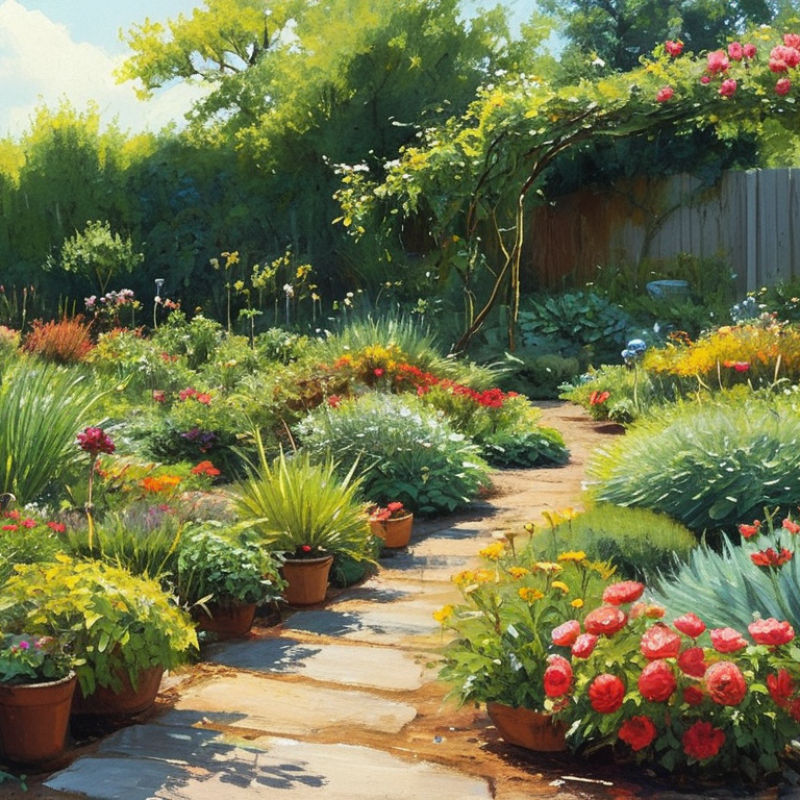
Healthy soil is crucial for a thriving garden. According to the Food and Agriculture Organization, soil health affects over 95% of global food production. Good soil supports plant growth by retaining nutrients and moisture. Yet, many gardeners overlook this essential aspect.
Soil tests reveal interesting facts. Nearly 70% of home gardens lack essential nutrients like nitrogen and phosphorus. Without proper amendments, plants can struggle. A common issue is soil compaction, which limits root expansion. Incorporating organic matter can improve structure. The USDA recommends using compost to enhance soil fertility.
Inappropriate pH levels can also hinder plant growth. Ideal soil pH for most vegetables is between 6.0 and 7.5. Testing your soil can provide guidance. If your soil is too acidic or alkaline, adjustments should be made. Remember, maintaining soil health is a continuous process. Regular testing and amendments are necessary for long-term success. It's not just about planting; it’s about nurturing the foundation.
| Soil Type | pH Level | Organic Matter (%) | Drainage | Nutrient Content (N-P-K) |
|---|---|---|---|---|
| Loamy Soil | 6.5 - 7.0 | 5 - 10 | Good | 15-20-15 |
| Clay Soil | 6.0 - 6.5 | 3 - 5 | Poor | 10-20-10 |
| Sandy Soil | 6.0 - 7.0 | 1 - 3 | Excellent | 5-10-10 |
| Silty Soil | 6.5 - 7.2 | 4 - 6 | Moderate | 12-15-10 |
Watering techniques are crucial for any successful garden. According to the University of California, a consistent watering routine can lead to healthier plants. Most gardens require about one inch of water per week. This can vary based on plant type, weather, and soil conditions. If you notice wilting or dry leaves, your plants may need more water.
Timing is key. Watering early in the morning helps reduce evaporation and disease risks. A common mistake is watering too late in the day. This can leave plants vulnerable overnight. Drip irrigation is an effective method, delivering water directly to the roots. It minimizes wastage and ensures that plants receive adequate moisture.
Be mindful of overwatering. It can lead to root rot and other issues. The precise amount of water your garden needs may require some experimentation. Monitor your plants and soil moisture regularly. A simple soil moisture meter could help you gauge when your garden needs watering. Observing your garden can provide invaluable insights into its needs. Each garden is unique, and flexibility in your watering approach can yield better results.
This chart illustrates the recommended watering frequency for various types of plants based on their water needs. The data shows how often to water, ensuring your garden remains healthy and vibrant.
When deciding between native species and non-native varieties for your garden, consider the environment. Native plants adapt well to local climates. They require less water and fewer fertilizers. Their roots promote healthy soil and prevent erosion. Moreover, they support local wildlife. Birds and pollinators thrive on these plants. This creates a balanced ecosystem.
On the other hand, non-native varieties may offer vibrant colors or unusual shapes. They can bring unique beauty to your space. However, they might not be as resilient. Some can become invasive, outcompeting native plants. Consider your garden’s long-term health. Reflect on whether the visual appeal outweighs these potential drawbacks.
Choosing the right plants requires thoughtfulness. Observing your garden’s needs and challenges is essential. Each option has its merits and flaws. Balancing aesthetics with ecological responsibility takes time and patience. Be willing to experiment and learn from your choices. Your garden journey is as much about growing plants as it is about personal growth.
Pest management in gardens is essential for fostering healthy plant growth. Using organic solutions can minimize environmental impact and improve soil health. According to the USDA, organic farming can increase biodiversity by up to 30% in agricultural ecosystems. This approach not only benefits crops but also supports local wildlife.
Companion planting is a notable strategy. For instance, planting marigolds alongside vegetables can deter pests like nematodes and aphids. Research by the University of California indicates that this method can reduce pest damage by around 50%. Another effective technique is the use of natural predators. Introducing ladybugs can control aphid populations without harming beneficial insects.
It's crucial to monitor the garden regularly. Early detection of pest issues often leads to simpler solutions. However, relying solely on organic methods may not always suffice. There can be challenges, such as pest resistance. Finding a balance between organic and integrated pest management is vital for garden health. Keeping records of pest occurrences can provide insights for improvement.
Seasonal maintenance is crucial for a thriving garden. The right preparation can significantly affect plant health and yield. According to the American Society of Landscape Architects, well-maintained gardens can increase property value by up to 15%. This data underscores the importance of regular upkeep.
Spring is an ideal time for soil testing. Testing ensures your soil has the right pH and nutrients. Many gardeners overlook this critical step. Neglecting soil needs can lead to poor plant growth. A simple soil test can reveal deficiencies and guide fertilization. Incorporating organic matter like compost can enhance soil structure and fertility.
As summer approaches, focus on irrigation. Deep watering encourages root growth and drought resilience. Yet, many gardeners overwater, harming plants. Monitor moisture levels using simple tools. Consider mulching to conserve water and suppress weeds. This practice not only aids in moisture retention but also minimizes labor. Each season presents its challenges and opportunities for improvement. Addressing these issues through thoughtful maintenance fosters a successful garden year-round.
: Healthy soil supports plant growth and affects food production globally. It retains vital nutrients and moisture.
Many home gardens lack essential nutrients like nitrogen and phosphorus, impacting plant growth significantly.
Incorporating organic matter, like compost, can improve soil structure and promote better root expansion.
Most vegetables thrive in soil with pH levels between 6.0 and 7.5. Testing is essential.
Generally, gardens need about one inch of water each week. Adjust based on plant needs and weather.
Early morning watering helps reduce evaporation and disease risks, making it a better choice than late-day waterings.
Overwatering can lead to root rot and other plant health issues. Monitoring moisture is crucial.
Native plants require less water and support local wildlife. Non-natives may be beautiful but can become invasive.
Balance aesthetics with ecological responsibility. Each choice has pros and cons, requiring thoughtful reflection.
Regular observation and experimentation can provide insights. Remember, every garden is unique and evolving.
To achieve a thriving garden, understanding soil health is crucial, as it forms the foundation for plant growth. Soil that is rich in nutrients and organic matter will support healthier plants, leading to better yields. Additionally, essential watering techniques must be employed—it's important to determine how much and how often to water, depending on plant needs and weather conditions.
When considering plant selection, opting for native species can enhance garden resilience and sustainability. Implementing effective pest management strategies, such as organic solutions, will help maintain plant health without harmful chemicals. Lastly, seasonal maintenance is vital to prepare your garden for year-round success. By focusing on these aspects, you can address the question of what are the best practices for maintaining a garden and ensure long-term growth and productivity.

Petalyx Irrigation