Cleaning tools are essential for maintaining hygiene and cleanliness in our homes and workplaces. Proper maintenance can greatly extend the life of these tools, saving money and reducing waste. According to Maria Johnson, a cleaning expert and author of "The Ultimate Guide to Home Cleaning," “Regular care is the secret to keeping your cleaning tools in top condition.” This highlights the importance of understanding how to maintain cleaning tools for long term use.
Cleaning tools, such as mops, brushes, and vacuum cleaners, require attention. Over time, dirt and grime can accumulate, impacting their effectiveness. Regular washing, proper storage, and timely replacement of parts can make a significant difference. For instance, soaking mops in a vinegar solution helps remove stubborn stains. However, many people neglect this aspect.
Each tool has unique needs. Some require more intensive care, while others may need simple maintenance. The challenge lies in knowing which approach to take. Adopting a consistent cleaning routine is key. Without this, tools may wear out quickly. Emphasizing the importance of maintenance can transform your cleaning experience.
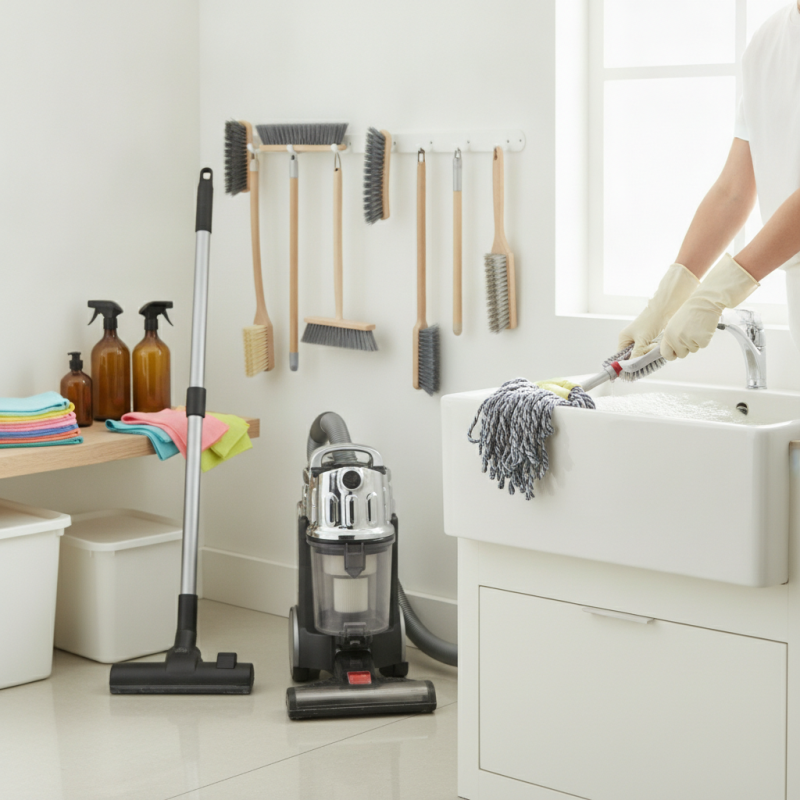
Choosing the right cleaning tools can significantly impact the longevity of their use. When selecting tools, consider the material and design. For example, natural bristles can wear out faster than synthetic ones due to their absorbent nature. Synthetic brushes often last longer and maintain their shape. Pay attention to handles as well. Wooden handles can crack over time, while plastic ones may break under stress.
Think about the storage method for your cleaning tools. A damp environment can lead to mold and rust. Instead, keep them in a dry space. Regularly check for any signs of wear. A frayed mop head or a chipped cleaning bucket is a sign to replace that item. It's essential to reflect on your cleaning habits too. Do you use tools that are too harsh for specific surfaces? This can lead to faster deterioration.
Not every tool suits every task. Ensure you match the tool to the job for optimal efficiency. Over time, even the best tools need proper care and occasional replacement. Remember that a thoughtful approach to tool selection and maintenance leads to better cleaning results and extends their lifespan. Reflect on the effectiveness of your choices and adjust as necessary.
: Consider the material and design of the tools. Synthetic brushes often last longer than natural bristles.
Storage method impacts longevity. Keep tools in a dry space to avoid mold and rust.
Look for frayed mop heads or chipped buckets. These are clear signs that replacements are needed.
Not every tool works for every task. Using the right tool improves efficiency and extends tool life.
Regular checks should become a habit. Inspect for frayed cords or damaged bristles.
Take action immediately. Ignoring small issues can lead to bigger problems and costly repairs.
Replace worn parts like filters to enhance performance. Clean tools regularly for best results.
Yes, keeping spare parts allows for quick replacements. This prevents disruptions in your cleaning routine.
Yes, some tools may require softer materials. Using harsh tools can lead to faster wear.
Ignoring signs of wear and tear is a mistake. Regular maintenance helps you better understand your tools.
To effectively learn how to maintain cleaning tools for long term use, it is essential to choose the right cleaning equipment suited for your specific needs, which can significantly enhance their durability. Regular cleaning practices are crucial; tools should be rinsed and cleaned after each use to prevent buildup of dirt and grime. Additionally, proper storage techniques are vital for extending the life of these tools, ensuring they are kept in a dry, protected environment.
Inspecting and replacing worn parts on cleaning tools is another key aspect of maintenance, as this can prevent further damage and maintain functionality. Finally, incorporating tips for sanitizing and deodorizing your cleaning equipment will contribute to both hygiene and longevity, ensuring that your tools remain effective and pleasant to use over time. By following these practices, you will establish a system for how to maintain cleaning tools for long term use effectively.

 Petalyx Irrigation