Preparing soil for planting is crucial for a successful garden. Renowned horticulturist Dr. Jane Green advises, "Healthy soil is the foundation for thriving plants." Her expertise underscores the importance of understanding how to prepare soil for planting effectively.
To start, one must assess soil type and quality. Testing soil pH and nutrient levels can reveal its health. Amendments like compost may be necessary, but overdoing it can lead to imbalance. A well-balanced mix promotes growth but requires careful consideration.
Moreover, turning the soil enhances aeration and drainage. This process can be labor-intensive, yet it is vital for root development. It’s easy to overlook smaller details, such as removing rocks or debris, but these can significantly impact plant health. In gardening, patience and attention to detail lead to better results. Effective soil preparation is a blend of science and art, requiring ongoing reflection and adjustment.
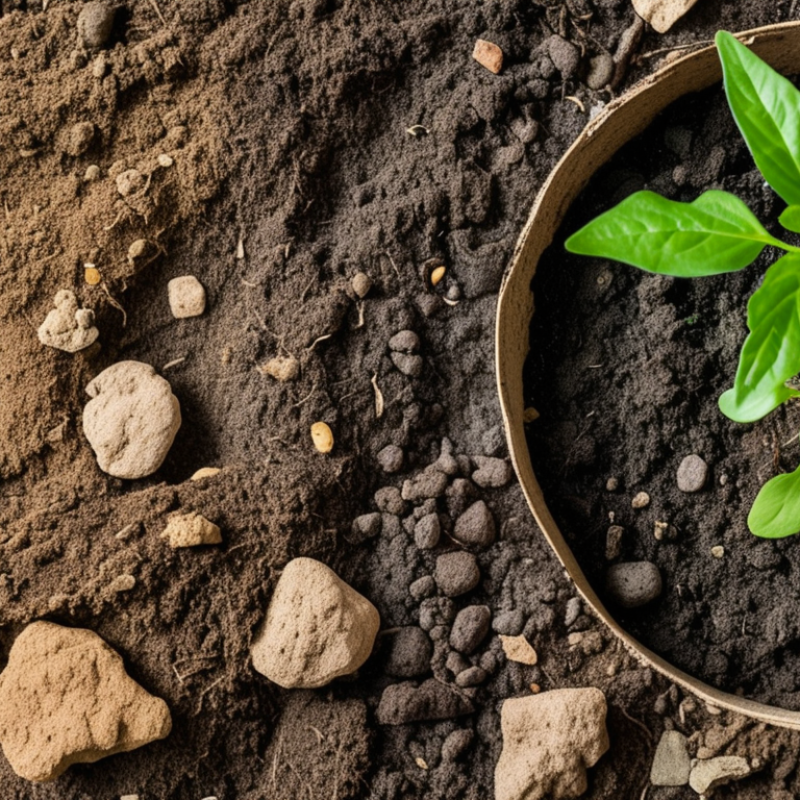
Understanding soil composition and quality is crucial for successful planting. Soil is not just dirt; it consists of various components. Sand, silt, clay, and organic matter each play a role in how well plants grow. Sandy soils drain quickly but may lack nutrients. Clay soils hold moisture but can become compacted. A balanced mixture often yields the best results.
Testing your soil is an essential step. Conduct tests to determine pH levels and nutrient content. Many local extension services offer testing kits. This simple process can reveal valuable insights. For example, high acidity may require lime to balance. Low nitrogen levels suggest the need for organic fertilizers.
Soil structure impacts root growth. Good soil should be crumbly, allowing air and water to circulate. If it feels too hard or too sticky, it may need amendments like compost. Remember, improving soil is an ongoing process. Reflect on your results each season to refine your methods. Planting without understanding your soil is like baking without a recipe. The right knowledge leads to a thriving garden.
Testing soil pH and nutrient levels is essential for successful planting. Healthy plants thrive in the right soil conditions. Ignoring this step can lead to poor growth. You might think your soil is fine, but unseen issues can lurk beneath the surface.
Start by collecting soil samples from various spots in your garden. Aim for at least six inches deep. After that, you can use a soil test kit or send samples to a lab. These tests measure pH and nutrient levels. A pH level around 6 to 7 is often ideal for most vegetables. If your soil is too acidic or alkaline, plants may struggle.
Pay attention to the nutrients as well. Nitrogen, phosphorus, and potassium are crucial for plant health. An imbalance can cause stunted growth or nutrient deficiencies. Treating your soil with the right amendments can significantly improve its health. However, it's essential to do this based on the test results. Relying on guesswork may lead to over-application. This could harm your plants or the environment. Regular testing helps you adjust soil conditions effectively, leading to better yields.
| Soil Type | pH Level | Nitrogen (N) (% by weight) | Phosphorus (P) (ppm) | Potassium (K) (ppm) |
|---|---|---|---|---|
| Clay Soil | 6.0 | 1.5 | 35 | 250 |
| Sandy Soil | 7.0 | 0.5 | 15 | 150 |
| Loamy Soil | 6.5 | 1.2 | 25 | 200 |
| Peaty Soil | 5.5 | 3.0 | 8 | 100 |
Choosing the right amendments for soil enrichment is crucial for successful planting. Organic matter, like compost, improves soil structure and water retention. According to the USDA, adding at least 25% compost can enhance soil quality significantly. This organic material promotes microbial activity, which is essential for nutrient availability.
In addition to compost, minerals like lime and sulfur can help correct pH levels. A balanced pH is necessary for optimal nutrient uptake. Soil tests provide detailed insights into nutrient levels and pH status. Research from the Soil Science Society indicates that about 40% of garden soil may be imbalanced, leading to poor plant performance. Understanding local soil conditions is vital for choosing effective amendments.
Some gardeners may overlook the importance of soil fertility, focusing solely on plants. It’s easy to underestimate the complexity of soil biology. Implementing amendments without proper testing can lead to over-fertilization, causing harm to plants. It's essential to monitor and adjust amendments regularly to achieve the desired results, promoting healthier plant growth.
Tilling and aerating soil are essential steps in preparing the ground for planting. Tilling involves breaking up compacted soil, allowing roots to grow more freely. According to a report by the USDA, well-aerated soil can boost crop yields by up to 30%. The process helps improve nutrient absorption, which is vital for healthy plant growth.
Aeration is equally important. It involves creating small holes in the soil to allow air, water, and nutrients to penetrate. Soil compaction reduces these essential elements, leading to poor plant performance. Research indicates that aerating soil can enhance microbe activity significantly. Healthy microbes contribute to soil fertility and plant vitality.
Farmers might face challenges during tilling. Over-tilling can deplete soil nutrients. It may lead to erosion, impacting the environment negatively. Striking the right balance is key. Regularly checking soil structure helps in making necessary adjustments. Understanding the signs of healthy soil encourages better planting outcomes.
Soil moisture management is crucial before planting. Proper moisture levels can significantly affect seed germination. Inadequate moisture leads to poor seed establishment. Conversely, overly wet soil can suffocate seeds and cause rot. Finding the right balance is key.
To prepare your soil, start by assessing its current moisture content. Use a simple method like the squeeze test. If the soil forms a ball but crumbles easily, it is likely at a good moisture level. If it falls apart or feels dry, water is needed. Overwatering can lead to compaction, which will inhibit root growth later.
Additionally, consider the type of plants you want to grow. Some require drier conditions, while others thrive in moisture-rich environments. Reflect on your local climate and soil type. Record your observations and adapt your watering schedule accordingly. Mistakes sometimes happen. Learning from each planting season will refine your approach and improve future outcomes.
: Soil composition affects plant growth. Key components include sand, silt, clay, and organic matter.
Sandy soil drains quickly but lacks nutrients. Clay soil retains moisture but may compact easily.
Collect soil samples from different areas. Aim for a depth of at least six inches.
The pH level indicates acidity. Most plants thrive at pH levels around 6 to 7.
Essential nutrients include nitrogen, phosphorus, and potassium. Imbalances can hinder growth.
Use compost and other amendments based on soil test results. Avoid guesswork to prevent harm.
Ignoring soil testing can lead to poor growth. Hidden issues may significantly affect your plants.
Good soil structure should be crumbly, allowing air and water circulation. Compacted soil limits root growth.
No, it's an ongoing process. Regularly reflect on your results to refine soil care methods.
Regular soil testing and appropriate amendments lead to healthier conditions and improved yields.
Preparing soil for planting is essential for ensuring optimal growth in your garden. First, understanding the soil composition and quality is crucial, as it forms the foundation for all planting efforts. Begin by testing soil pH and nutrient levels to identify any deficiencies that could hinder plant development. Based on the results, select appropriate amendments to enrich the soil, enhancing its fertility.
In addition to enriching the soil, employing proper techniques for tilling and aerating is vital to improve soil structure and promote healthy root development. Lastly, managing soil moisture before planting is a key practice that supports seed germination and plant establishment. By following these guidelines on how to prepare soil for planting, you can create a thriving environment for your plants.

Petalyx Irrigation