Cleaning different surfaces properly is essential for maintaining a healthy environment. Each material requires a specific approach to achieve the best results. Knowing how to clean different surfaces properly can prevent damage and extend their lifespan.
Different surfaces, like wood, metal, and glass, have unique properties. For instance, wood may need a gentle cleaner to avoid scratches, while glass requires a streak-free solution. Consider the cleaning agents used, as harsh chemicals can harm surfaces and your health.
Mistakes are common. Many people overlook product labels or misuse tools. This not only leads to poor cleaning results but can also cause irreversible damage. A reflective mindset is vital. As you learn how to clean different surfaces properly, you’ll discover what works best for your home.
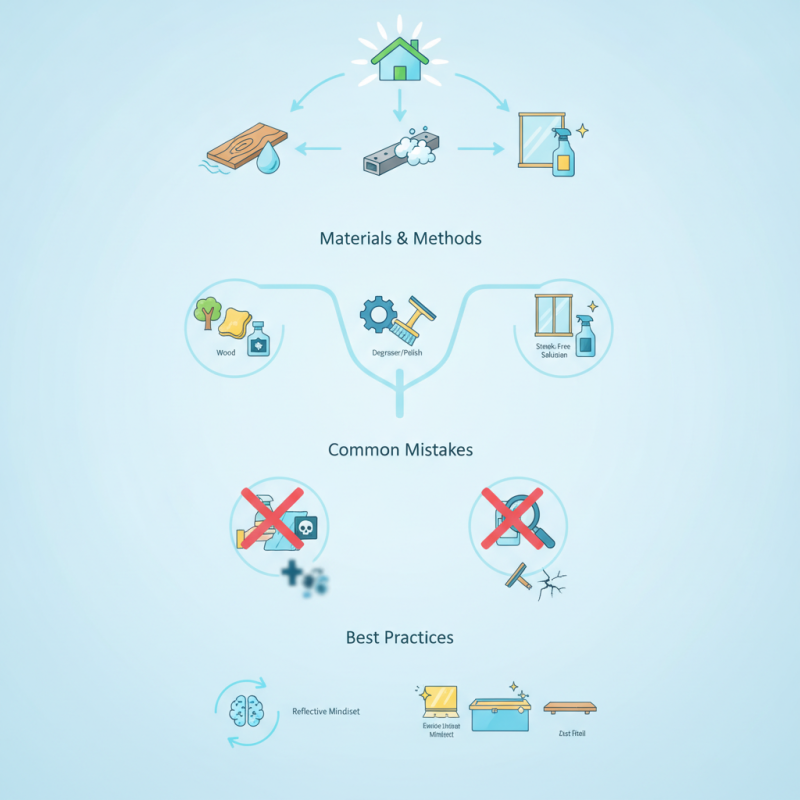
When it comes to cleaning different surfaces, understanding the material is crucial. Each surface has unique needs that require specialized care. For example, wood surfaces demand gentle cleaning solutions. Using harsh chemicals can damage the finish. Instead, a mild soap mixed with water often works well for daily cleaning.
In contrast, tile and grout surfaces need more robust cleaning methods. Regular scrubbing can help remove dirt and stains. A mixture of vinegar and baking soda can effectively tackle tougher grime. Be mindful, though—using vinegar on natural stone can lead to etching. Always test a small area first.
Metals such as stainless steel require particular attention to avoid streaks. A soft cloth and a bit of oil can help restore shine. It's easy to overlook the importance of drying these surfaces thoroughly. Neglecting this step can lead to water spots. Understanding specific surface materials will lead to better cleaning practices and results.
Choosing the right cleaning products for various surfaces demands knowledge and experience. Different surfaces require specific formulations. For instance, glass surfaces benefit from streak-free cleaners. They enhance visibility and shine in windows. Wood surfaces, on the other hand, need gentle cleaners to avoid damage. Harsh chemicals can strip the finish and create dullness.
When selecting a cleaner, consider the material type. Stainless steel requires a degreaser that doesn’t leave residue. Meanwhile, granite surfaces need pH-balanced solutions to maintain integrity. Using an abrasive product on delicate items can lead to scratches. This highlights the importance of testing a cleaner in an inconspicuous area first.
It’s easy to grab the first product you see. Yet, that can result in wasted time and effort. A cleaner that isn't suitable can damage the surface. In some cases, it may even require professional restoration. Understanding these nuances reflects your commitment to proper cleaning. The right choice not only ensures cleanliness but also preserves the longevity of your surfaces.
Cleaning hard floors requires specific techniques to achieve optimal results. Research shows that 70% of dirt and dust can be removed with regular sweeping. Using a microfiber dust mop effectively captures fine particles without scratching the surface. It's essential to choose the right material for your specific floor type, whether it's hardwood, tile, or laminate.
Once swept, mopping is the next crucial step. Warm water mixed with a few drops of neutral pH cleaner works best for most surfaces. Avoid harsh chemicals, as they can damage the finish and lead to costly repairs. According to experts, damp mopping reduces water usage by up to 50% compared to traditional methods. Remember to change the mop water frequently to avoid spreading dirt around.
However, even with the best techniques, mistakes can happen. Over-mopping can leave streaks or even cause warping on certain floors. Timing is also vital; cleaning when the floors are overly dirty may require additional effort. Pay attention to the finish of your floor and adjust your technique as needed. Embracing these standards can enhance both cleanliness and longevity of your hard floors.
| Surface Type | Recommended Cleaner | Cleaning Technique | Frequency of Cleaning |
|---|---|---|---|
| Vinyl | pH-neutral cleaner | Mop with a damp cloth, avoid abrasive tools | Weekly |
| Tile | Ceramic tile cleaner or vinegar solution | Scrub with a brush, rinse with water | Bi-weekly |
| Laminate | Laminate floor cleaner | Use a microfiber mop, avoid excess water | Monthly |
| Hardwood | Wood floor cleaner | Mop lightly, follow wood grain | Every 1-2 weeks |
| Concrete | All-purpose cleaner | Sweep, scrub as needed | Monthly |
Cleaning upholstery and fabrics requires attention to detail and the right techniques. According to the Institute of Inspection, Cleaning and Restoration Certification (IICRC), nearly 80% of the grime in upholstery comes from regular use. Dust, dirt, and allergens accumulate over time. Vacuuming upholstery weekly helps to prevent a buildup of these particles. Using a vacuum with a brush attachment can effectively lift debris from fabric surfaces.
For deeper cleaning, understanding the fabric type is crucial. Natural fibers like cotton and wool require different care compared to synthetics. A survey from the American Cleaning Institute indicates that nearly 30% of people use improper cleaning methods, leading to discoloration or fabric damage. For spot cleaning, a solution of mild detergent and water can help remove stains. Always test a small, inconspicuous area first to ensure the fabric does not react poorly.
When cleaning, it's important to consider drying time. Excess moisture can lead to mold or mildew growth. A proper cleaning method might require air drying or using fans to circulate air. However, underestimating drying time is a common mistake. This could result in unpleasant odors and even long-term damage to the upholstery. By being mindful and applying these practices diligently, one can improve the longevity and appearance of their fabrics.
Maintaining surfaces after cleaning is crucial for longevity and appearance. Regular care helps prevent dirt buildup and damage. For hard surfaces, like countertops, use coasters and mats to avoid scratches and stains. Protect wood by applying a suitable polish every few months. Dust surfaces weekly to keep them looking fresh and bright.
Soft surfaces, such as upholstery, require special attention. Vacuum regularly to remove dust and crumbs. For spills, blot immediately with a clean cloth; avoid rubbing, as it can spread the stain. Always test cleaning solutions on a hidden area first to prevent unwanted discoloration.
Reflection is important after cleaning. Consider what worked well and what didn’t. Sometimes, the cleaning process can cause wear or fading, especially on delicate fabrics. It's essential to adapt your methods based on the surface type. Regular assessments can improve your cleaning routine and safeguard your surfaces for the future.
: Use a mild soap mixed with water. Avoid harsh chemicals to protect the finish.
Regular scrubbing with vinegar and baking soda can remove grime. Test on a small area first.
Use a soft cloth with a little oil. Remember to dry the surface thoroughly.
Different surfaces need unique formulations to avoid damage and ensure cleanliness.
Use pH-balanced cleaners to maintain integrity. Avoid abrasive products.
Dust weekly to keep surfaces looking fresh and bright.
Use coasters and mats to prevent scratches and stains on hard surfaces.
Vacuum regularly and blot spills immediately with a clean cloth.
Assess what worked and what didn’t to adapt your approach for better results.
Regularly evaluate methods and adjust based on the surface type to improve care.
In the article "How to Clean Different Surfaces Properly for Best Results," readers are guided through the essential steps to ensure effective cleaning across various materials. Understanding the specific cleaning needs of different surface types is crucial, as each material requires tailored care for optimal results. The selection of appropriate cleaning products further enhances the cleaning process, ensuring that surfaces are not damaged while achieving cleanliness.
The article delves into detailed step-by-step techniques for cleaning hard floors and offers effective methods for upholstery and fabrics, providing practical insights for all types of surfaces. Furthermore, it emphasizes the importance of maintaining and protecting surfaces post-cleaning, ensuring longevity and durability. This comprehensive guide aims to equip readers with the knowledge on how to clean different surfaces properly, promoting a cleaner and more inviting environment.

Petalyx Irrigation