When it comes to maintaining a clean and safe home, knowing how to store cleaning supplies properly is crucial. Many people underestimate the potential hazards these products pose if not stored correctly. Improper storage can lead to accidents, contamination, or even health risks, especially in households with children or pets.
Effective storage begins with understanding each product's specific requirements. For instance, some cleaners may need to be kept away from heat sources, while others require secure containment to avoid spills. It’s essential to use bins or cabinets that are locked or out of reach to prevent unintended access. Many people overlook this detail and end up with cluttered shelves of hazardous materials.
Reflecting on our storage practices can help improve safety. Think about how often supplies are checked for expiration or potential leaks. Regular inspection not only enhances safety but also ensures efficiency in maintaining your home. Keeping an organized, clearly labeled space for cleaning products fosters mindfulness and responsibility, making it easier to manage what we have and preventing spills or accidents.
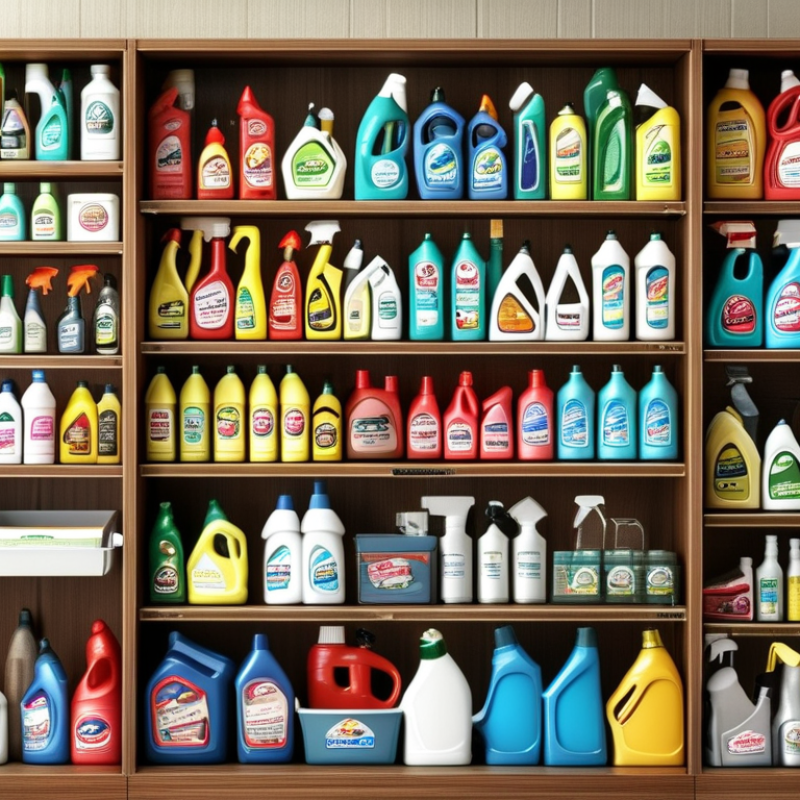
Identifying appropriate storage locations for cleaning supplies is crucial for safety. According to the National Safety Council, improper storage leads to accidents and injuries. Choosing a well-ventilated area in your home can significantly reduce the risk of inhalation exposure to harmful chemicals. Avoid placing cleaning supplies under sinks where they can be accidentally spilled or mixed.
In addition to ventilation, accessibility matters. The American Association of Poison Control Centers reports that quick access to cleaning products can prevent emergencies. A locked cabinet out of children's reach ensures safety while keeping supplies organized. Labels should be clear and concise, enhancing awareness of the contents.
Consider temperature as well. High heat or humidity can impact the effectiveness of cleaning products. The Environmental Protection Agency recommends storing supplies between 50°F and 80°F for optimal performance. Regularly check for expired products. Disposing of old chemicals reduces waste and minimizes hazards. These details collectively contribute to a safer and more efficient cleaning routine.
When it comes to storing cleaning supplies, safety is paramount. Choosing the right containers can profoundly impact safety and efficacy. Always use containers that are made from compatible materials. For instance, avoid mixing acids and bases in the same container. This prevents dangerous reactions that could release harmful fumes.
Labeling is another crucial aspect. Clearly mark each container with its contents and hazards. Use waterproof labels to ensure they remain legible even if the container leaks. Store containers in a cool, dry place, away from direct sunlight. This prevents degradation of the materials and maintains the integrity of the supplies.
Reflecting on storage practices can uncover potential pitfalls. One common mistake is overcrowding shelves, which can lead to spills and contamination. Additionally, avoid placing heavy containers on high shelves. If they fall, they could cause injury or damage.
Regularly check your supplies for expiration dates. Outdated materials can be ineffective or even hazardous. Safety begins with awareness and proper organization.
Labeling and organizing your cleaning supplies can significantly enhance safety. When you can easily identify products, you reduce the risk of accidents. Color-coded labels can help differentiate between various types of cleaners, such as disinfectants, detergents, and specialty products. Use clear containers for easy visibility. This way, anyone can find what they need quickly.
Tips: Consider using waterproof labels. This helps maintain readability, even in wet conditions. Don’t forget to include hazard symbols on containers. This reinforces safety for anyone using the supplies. Additionally, grouping supplies by task, like bathroom or kitchen cleaning, can save time during your cleaning routine.
In organizing your space, think about accessibility. Store frequently used items at eye level and out of reach for children. Use a dedicated caddy for on-the-go cleaning needs. Sometimes, mistakes happen in labeling. It’s important just to double-check your labeling regularly. This helps ensure everything is organized and safe to use.
When it comes to storing hazardous chemicals, safety is paramount. Start by selecting a dedicated area for your cleaning supplies. This space should be cool, dry, and well-ventilated. Never store chemicals near food or where children can access them. Use sturdy shelves and containers specifically designed for hazardous materials. Clear labeling is essential for quick identification.
Implementing safety measures is critical. Keep a fire extinguisher nearby and check it regularly. Consider using secondary containment for liquid substances to prevent spills. Ensure you have a first-aid kit accessible, ideally stocked with supplies to address chemical exposure. Regularly inspect your storage area for leaks or damage that may compromise safety.
Training is often overlooked. Make sure everyone who has access knows how to handle chemicals properly. Simple instructions can be invaluable. Reflect on any past incidents to improve your safety protocols. Continuous evaluation of your storage practices can lead to a safer environment for everyone involved. Always stay informed about best practices in chemical storage and management.
Regular inspection of cleaning supplies is crucial. Many products have expiration dates or lose effectiveness over time. A quick check every few months can help identify items that need to be discarded. Look for any signs of leakage, discoloration, or separation. If a product looks unusual, it’s best to throw it away.
Dispose of expired or unused cleaning supplies responsibly. Many communities have hazardous waste disposal programs. Avoid simply tossing them in regular trash. It’s also important to educate yourself on proper disposal methods for specific chemicals. This not only protects the environment but also helps maintain a safe home.
Even when we think we’re careful, clutter can sneak up on us. Bottles may pile up, and outdated products can become hidden. Regular review keeps spaces tidy and reduces risks. Consider labeling containers with dates to aid memory. Keeping track helps ensure safety in your cleaning routine.
| Product Type | Storage Method | Inspection Frequency | Disposal Method |
|---|---|---|---|
| All-Purpose Cleaner | Cool, dry place away from direct sunlight | Every 6 months | Follow local hazardous waste disposal guidelines |
| Bleach | Stored upright, tightly sealed | Every 3 months | Dilute and dispose through local hazardous collection |
| Glass Cleaner | In original container, out of reach of children | Every 6 months | Dispose in regular waste if non-hazardous |
| Floor Cleaner | Keep in a locked cabinet | Every 3 months | Check for disposal instructions on label |
| Degreaser | Store in the dark, cool place | Every 6 months | Follow the manufacturer's disposal guidelines |
: Labeling helps identify products quickly, reducing accidents and enhancing safety.
Use waterproof labels for readability, even in wet conditions.
Store them in a cool, dry, well-ventilated area, away from food and children.
Keep a fire extinguisher nearby, use secondary containment for liquids, and have a first-aid kit accessible.
Inspect them every few months to check for expiration dates and signs of leakage or degradation.
Dispose of them safely, ideally through community hazardous waste disposal programs.
Training ensures everyone knows how to handle chemicals properly and avoid incidents.
Double-checking your labels regularly can help catch mistakes before they cause problems.
Group supplies by task and store frequently used items at eye level.
Clutter can hide outdated products, increasing the risk of accidents and making cleanups harder.
When considering how to store cleaning supplies properly, it's essential to identify appropriate storage locations that are out of reach of children and pets, while ensuring easy access for adults. Choosing containers that are compatible with the chemicals being stored is vital for safety; this includes using bins made of materials that resist corrosion and punctures. Additionally, labeling and organizing supplies clearly facilitate quick identification, reducing the risk of accidental misuse.
Establishing safety measures is crucial when storing hazardous chemicals, such as keeping them locked away and utilizing child-proof containers. Regularly inspecting the storage area and disposing of expired or unused products ensures that you maintain a safe environment free from potentially harmful items. By following these guidelines, you can effectively manage cleaning supplies and enhance safety in your home or workplace.

Petalyx Irrigation