Keeping our homes clean is essential for good health. Reducing bacteria in household environments is an important topic. Dr. Amy Johnson, a microbiologist, emphasizes, "The kitchen is a hotspot for bacteria. Regular cleaning can make a big difference." Understanding how to reduce bacteria in household environments can help us create safer spaces.
Bacteria can thrive on kitchen counters, bathroom surfaces, and even on our phones. It's often surprising how much bacteria we encounter daily. For instance, a kitchen sponge can harbor millions of bacteria. Small, consistent efforts can significantly cut down these numbers.
Regular cleaning and disinfecting practices play a crucial role. Remember that not all surfaces are cleaned equally. Some areas might need more attention than others. Reflecting on our routines can reveal overlooked spaces where bacteria might accumulate. Taking a moment to assess and improve our cleaning habits is vital for a healthier home.
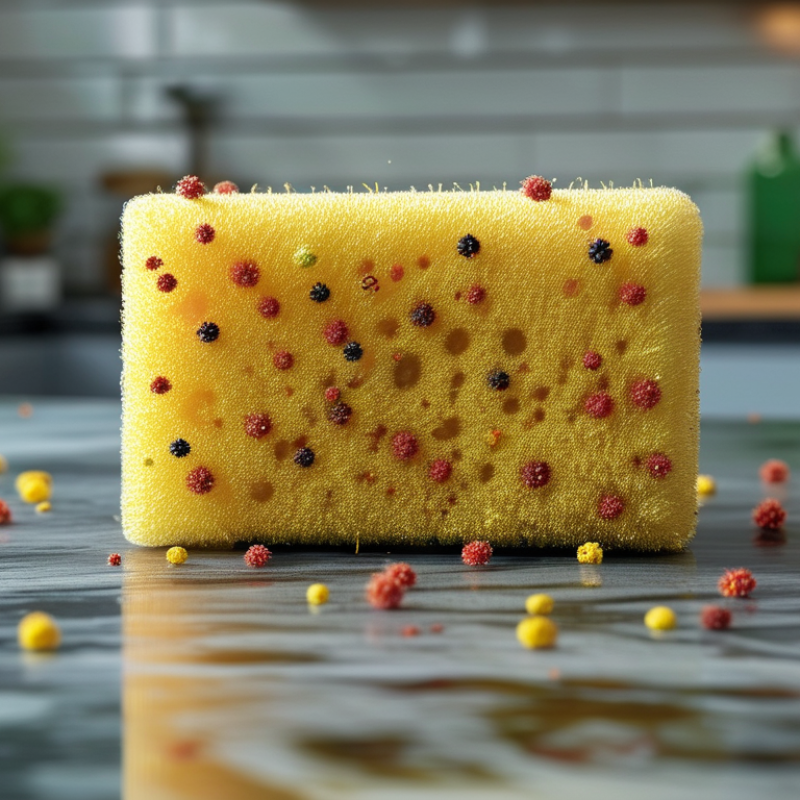
Home environments can significantly impact bacterial growth. Studies show that kitchens and bathrooms harbor the highest concentrations of bacteria. According to the Journal of Applied Microbiology, the average kitchen sponge can contain over 54 billion bacteria per square centimeter. High humidity and temperature create a breeding ground for harmful microorganisms.
Regular cleaning is essential in reducing bacteria levels. Use a disinfectant on surfaces where food is prepared. Wash kitchen sponges weekly. Replace them every two weeks to minimize bacterial buildup. Additionally, ventilate your home. Proper airflow helps decrease moisture, making environments less appealing for bacteria.
Be mindful of clutter. Piles of laundry or stacked papers can trap dust and germs. Aim for a tidy space. Regularly wash bed linens and towels to limit bacteria growth. Keep an eye on high-touch areas like doorknobs and light switches. Cleaning these surfaces weekly can significantly cut down on bacterial load.
Maintaining a clean home is essential for reducing bacteria. Disinfectants with 99.9% efficacy are powerful tools. Using them correctly ensures safety. Pay attention to high-touch surfaces like doorknobs and light switches. These areas tend to harbor more germs. Regular disinfection can drastically lower risks.
Many people overlook the importance of following instructions. Rushing might lead to ineffective cleaning. Always check the contact time on disinfectants. This is how long the surface should remain wet for optimal results. Even the best products require patience.
Tip: Create a cleaning schedule. Consistency helps in managing bacteria effectively. Focus on bathrooms and kitchens, as these areas need extra attention. Apply disinfectants generously and allow them to air dry. This maximizes their effectiveness and keeps your home safer.
Proper ventilation is crucial for reducing indoor humidity levels.
High humidity creates a perfect breeding ground for bacteria and mold.
The U.S. Environmental Protection Agency (EPA) states that indoor humidity should be kept between
30-50%. Exceeding this range can result in serious health risks.
In homes with poor ventilation, humidity can climb much higher, promoting bacterial growth.
Opening windows regularly can significantly improve airflow. The CDC recommends that homes have at least
one window opened for 10-15 minutes daily.
This practice can lower humidity and decrease the concentration of airborne bacteria.
Air purifiers also help, but they are not a complete solution. Ventilation remains the most effective way
to maintain a dry environment.
Neglecting ventilation can lead to unforeseen issues. According to the American Lung Association,
indoor air can be more polluted than outdoor air. Without proper airflow, allergens and
bacteria accumulate, affecting respiratory health. Taking action to ventilate your home is necessary
and easy to implement. Everyone should strive to make this a habit.
High-touch surfaces are common areas in our homes that can harbor bacteria, making them essential to disinfect regularly. The Centers for Disease Control and Prevention (CDC) notes that frequently touched surfaces, such as doorknobs, light switches, and countertops, can carry pathogens that spread illness. By understanding which areas require more attention, we can reduce the risk of infections significantly.
Tips for effectively disinfecting these surfaces include using disinfectants proven to kill germs. Look for products that meet EPA guidelines. Wipe down high-touch areas daily with these agents to maintain cleanliness. Also, remember to wash your hands frequently after touching surfaces. This simple action can minimize the transfer of bacteria to your face or food. Another helpful tip is to use disposable wipes or paper towels, which can reduce cross-contamination.
While we strive for a clean environment, it’s easy to overlook some surfaces. For instance, remote controls or smartphone screens often go untouched during cleaning routines. Research suggests that smartphones may host more bacteria than toilet seats, highlighting the need for consistent care. Addressing these overlooked areas will enhance your overall home cleanliness. It’s important to reflect on your cleaning habits. Are you disinfecting all the right places?
This chart illustrates the effectiveness of various methods for reducing bacteria in your home environment. Regular disinfection stands out with an impressive 80% effectiveness, highlighting its importance in maintaining a clean living space.
Handwashing with soap is one of the most effective ways to reduce bacteria in your home environment. Studies show that proper handwashing can eliminate up to 80% of harmful microorganisms. This simple act is paramount in maintaining personal hygiene and preventing illnesses. Research published by the Centers for Disease Control and Prevention (CDC) highlights the importance of washing hands for at least 20 seconds.
Tips for effective handwashing: Use warm water and soap. Make sure to scrub all parts of your hands, including between your fingers and under your nails. Rinse thoroughly to ensure that soap and bacteria are washed away. Consider using a paper towel to turn off the faucet to avoid recontaminating your hands.
In addition to washing hands, consider other hygiene practices. Regularly disinfect high-touch surfaces, such as doorknobs and light switches, using EPA-approved cleaners. Remember, while you may follow hygiene practices diligently, bacteria can persist in unexpected places. Always remain vigilant about potential contamination hotspots in your home. Regularly review and improve your cleaning routines to reduce bacteria effectively.
: Kitchens and bathrooms tend to have the highest concentrations of bacteria. These areas can be breeding grounds for harmful microorganisms.
Regular cleaning is crucial. Use disinfectants on food preparation surfaces and wash sponges weekly.
Replace kitchen sponges every two weeks. They can contain over 54 billion bacteria per square centimeter.
Proper airflow decreases moisture. Less moisture makes your home less appealing for bacteria to thrive.
Clutter traps dust and germs. A tidy space limits bacteria buildup and promotes better hygiene.
Use disinfectants with 99.9% efficacy. Ensure they remain wet long enough for maximum effectiveness.
Rushing can lead to ineffective cleaning. Always check contact time for proper disinfectant use.
High-touch areas, like doorknobs, should be cleaned weekly to significantly reduce bacterial load.
Wash bed linens and towels regularly. This practice limits bacteria growth and maintains a healthier environment.
A consistent cleaning schedule helps manage bacteria effectively, especially in high-risk areas like kitchens and bathrooms.
In order to understand how to reduce bacteria in household environments, it's crucial to recognize the role of home settings in bacterial growth. Effective cleaning techniques, such as utilizing disinfectants that boast 99.9% efficacy, play a significant role in minimizing bacterial presence. Additionally, regular ventilation is essential for reducing indoor humidity levels, which can contribute to bacterial proliferation.
Prioritizing the disinfection of high-touch surfaces, such as doorknobs, light switches, and kitchen counters, helps further diminish bacteria in the home. Finally, personal hygiene practices, particularly frequent handwashing with soap, can reduce bacteria by up to 80%, making it a vital component in maintaining a cleaner and healthier living environment. By implementing these strategies, homeowners can effectively manage bacterial levels and create a safer home for all.

Petalyx Irrigation