The global agricultural and horticultural hand tool market is undergoing a significant transformation. Driven by the rising adoption of precision agriculture, urban cultivation, and sustainable soil management methodologies, high-quality implements such as garden forks, spading forks, and soil aerators are experiencing unprecedented demand. No longer viewed as basic manual tools, modern garden forks are now engineered products designed to balance weight distribution, mechanical leverage, and metal structural integrity.
For global sourcing directors, wholesalers, and major DIY retailers (including household names like Walmart, Home Depot, and Lowe's), identifying the right manufacturer goes beyond finding the lowest unit price. It requires a rigorous evaluation of engineering capacity, raw material quality (such as SK5 steel, carbon forging, and aluminum alloy treatments), social compliance (BSCI), and reliable logistical export paths.
In this industry whitepaper, we dissect the capabilities of leading global garden fork manufacturers, with a specific focus on how advanced integration of injection moulding, metallurgy, and automated production creates a competitive advantage for international buyers.
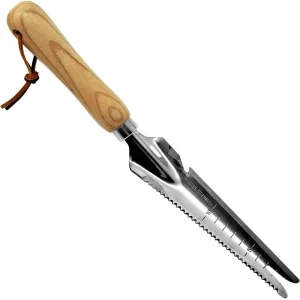
A professional-grade garden fork is subject to extreme shear stress, bending moments, and environmental oxidation. High-performance forks rely heavily on advanced metallurgy and ergonomics:
Solid-forged carbon steel or boron-alloyed steel provides the optimal balance of tensile strength and elasticity. This ensures the tines bend slightly under high rock resistance rather than snapping, returning to their original shape immediately.
By utilizing curved shafts and D-grip handles made of high-impact polypropylene or ashwood, the strain on the operator's lumbar region is reduced by up to 27%. Strategic weight distribution shifts the center of gravity closer to the tines.
Electrostatic powder coating (minimum thickness 70 microns) or hot-dip galvanization is applied to protect the steel surface from acidic soils and wet agricultural conditions, preventing surface oxidation for up to 10 years.
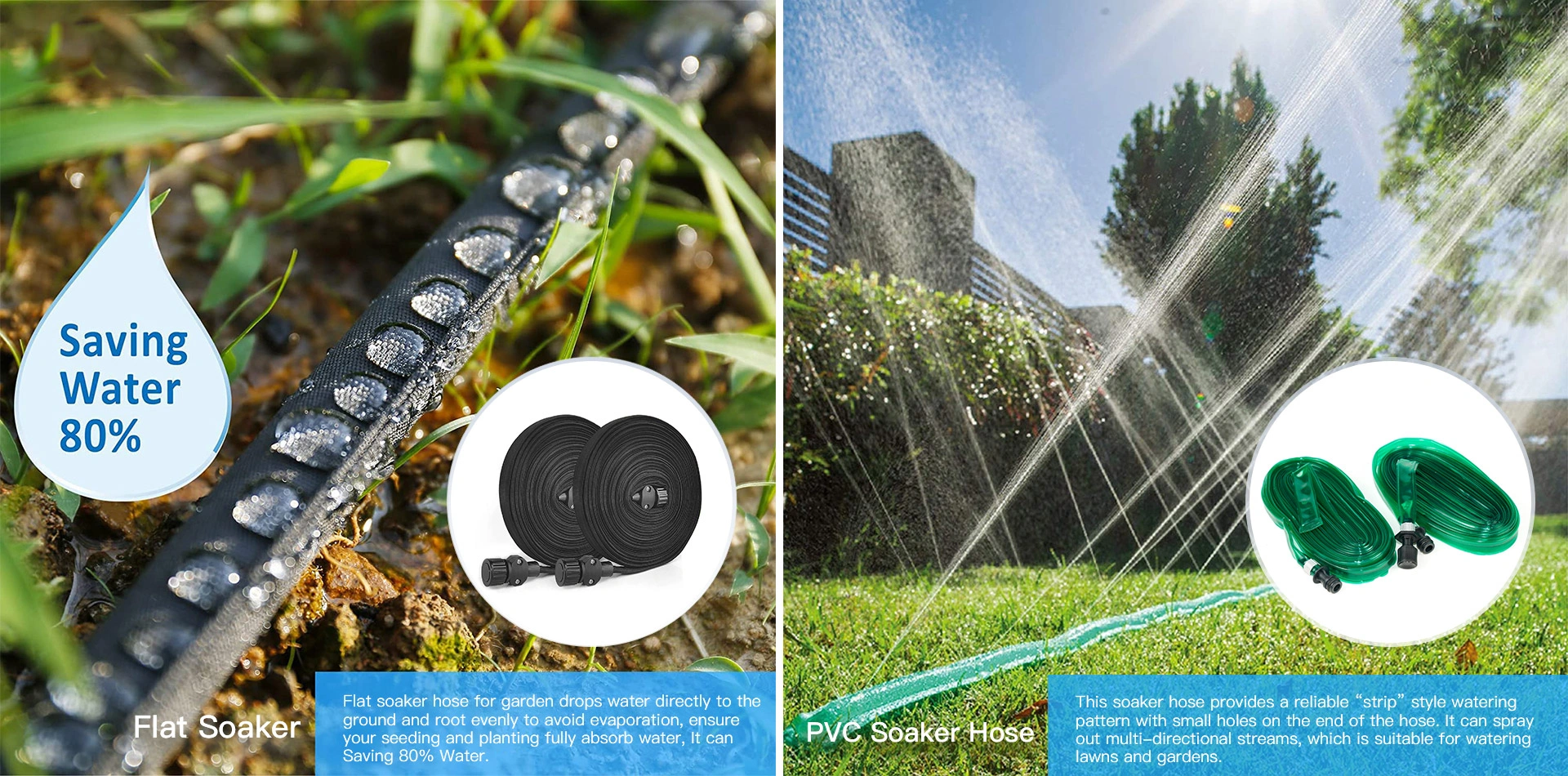
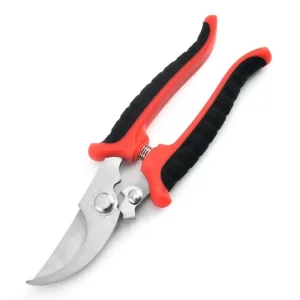
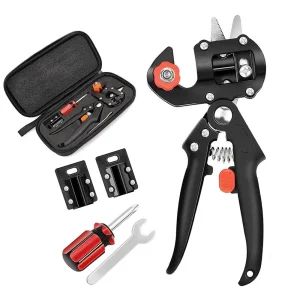
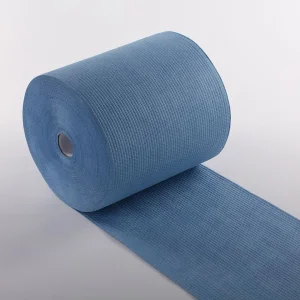
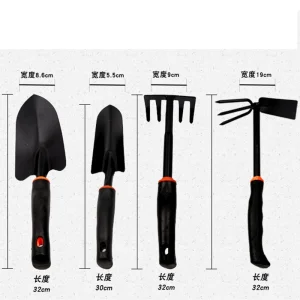
As a leading export-oriented enterprise, Foshan Petalyx Irrigation Co., Ltd. stands as a benchmark in the hardware, agricultural, and gardening tools sector. While specializing in professional water management and cooling systems, Petalyx operates an advanced, highly integrated manufacturing facility that produces high-end gardening hand tools, pruning shears, cleaning implements, and household accessories.
Petalyx's commitment to industrial precision is backed by three registered trademarks and more than 20 design and utility patents. The manufacturing floor is equipped with fully automated injection moulding, plastic extrusion, heavy-duty winding, and advanced blow moulding systems. This technological core allows for:
By exporting to complex regulatory markets in the United States, the United Kingdom, Germany, Italy, and the Middle East, Petalyx demonstrates that its quality assurance frameworks meet strict international import standards.

The international supply chain for professional-grade garden forks is clustered within key industrial hubs. Below is the analytical matrix of the top 10 manufacturing entities and export regions dominating the B2B market:
Leads in high-volume, automated production, incorporating advanced plastics, injection molding, and composite tool handles. Exceptional value for high-volume retail chains requiring compliance audits.
A historical leader in carbon steel forging. Focuses on premium, heritage-style garden forks with ashwood shafts, catering primarily to the high-end European residential market.
Renowned for modern ergonomic design. Pioneers in using lightweight fiberglass-reinforced composite handles (FiberComp) welded directly to steel tine heads.
Focuses on system integration. Their combisystem garden forks feature interchangeable tool heads, appealing to modern suburban consumers prioritizing storage efficiency.
The peak of artisan stainless steel forging. Hand-forged implements target botanical gardens, specialized horticulturists, and organic luxury consumer niches.
Dominates the North American industrial and landscaping sector. Offers heavy-duty contractor-grade spading and manure forks designed to handle rocky clay soils.
Endorsed by the Royal Horticultural Society (RHS). They specialize in mid-to-high tier tools combining traditional styling with modern metallurgy.
A key supplier to professional agricultural growers and commercial landscapers, emphasizing high-durability steel tines and heavy gauge socket connections.
Known for solid boron-steel forging and environmentally conscious ashwood handles, offering a lifetime warranty on raw materials and welded joints.
Concentrating thousands of downstream manufacturing facilities. Hubs like Foshan integrate raw steel sourcing, computerized injection molding, packaging design, and container consolidation in a single, high-efficiency ecosystem. This concentration reduces lead times by up to 35% compared to Western competitors.
Why do major global retailers source their high-volume product lines from Chinese industrial clusters? The answers lie in structural economic efficiencies:
1. Advanced Production Integration: Within a single facility like Petalyx, multiple processing techniques—ranging from raw injection moulding of tool parts to precision extrusion of hoses and final packaging—happen under one roof. This minimizes transportation costs between component subcontractors and eliminates intermediate handling damage.
2. Raw Material Access and Scale: Chinese steel mills produce over half of the world's crude steel. This domestic abundance ensures stable pricing and consistent supply for high-carbon and stainless steels, insulated from global logistics shocks.
3. Proximity to Global Logistics Gateways: Foshan’s geographic location near the major deep-water ports of Guangzhou, Shenzhen, and Hong Kong allows for rapid container dispatching, flexible customs processing, and optimized freight cost routing.
Global distributors must match product specifications with regional agricultural and consumer preferences:
Requires heavy-duty spading forks with thick, flat-faced tines to break up heavy clay, compacted topsoils, and dense root systems common in the Midwest and East Coast.
Eco-conscious home gardeners and organic farmers prefer thin, round tines (such as border forks). These aerate the soil matrix without disrupting delicate microbial layers.
Demands high heat resistance and impact protection. Heavy UV stabilization is required on polypropylene grips and fiberglass handles to prevent degradation from high solar radiation.
When negotiating contracts with export-oriented manufacturers, import procurement teams should verify the following engineering and structural requirements:
 Petalyx Irrigation