In the contemporary industrial and manufacturing landscapes, precision cleaning remains a fundamental pillar for ensuring mechanical reliability, processing efficiency, and coating adhesion. Heavy-duty degreasing requires solvents capable of breaking down complex, non-polar contaminants such as heavy oils, greases, synthetic lubricants, asphalt, and anti-corrosion waxes. Herein, petroleum-based cleaners (including aliphatic and aromatic hydrocarbons, isoparaffins, mineral spirits, and kerosene distillates) represent the primary chemical solution.
Unlike aqueous alternative chemistry, petroleum-based cleaners deliver superior surface wetting behavior, high solvency capabilities (indicated by balanced Kauri-Butanol values), and residue-free evaporation profiles. These qualities are critical in sectors where moisture introduction leads to oxidative corrosion or electrical short-circuits. However, selecting top-tier suppliers demands looking beyond chemical synthesis alone. True operational excellence requires analyzing how these cleaners are integrated with high-durability application hardware—such as chemical-resistant sprayers, specialized industrial brushes, and high-efficiency mechanical wiping tools—which dictate the efficiency of the cleaning workflow.
The global hydrocarbon solvents market is undergoing a rapid transition dictated by strict environmental directives and worker safety protocols. Central themes driving this evolution include:
High-Flash Point Formulations: Manufacturers are shifting away from low-flash-point aromatic solvents toward highly refined aliphatic hydrocarbons and synthetic isoparaffins. These modern variants increase flash points to over 60°C (140°F), dramatically reducing fire hazards in closed industrial environments while optimizing transport safety metrics.
Low-VOC and Odorless Cleaners: Volatile Organic Compound (VOC) regulations enforced by organizations like the EPA and REACH have forced the development of highly de-aromatized petroleum solvents. These solvents maintain strong degreasing power while producing virtually zero workplace odors, enhancing regulatory compliance and worker safety.
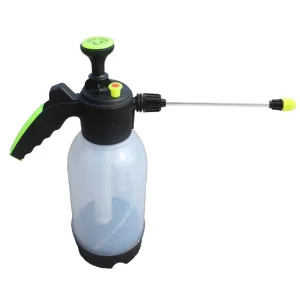
Synergistic Delivery Tools: Chemical efficacy is only as good as its physical application. The industry is seeing a move toward high-pressure, chemical-resistant spraying equipment capable of atomizing heavy solvents without breaking down polymer seals. This synthesis of advanced fluid dynamics and polymer engineering is redefining maintenance efficiency on factory floors.
As a premier manufacturer and export-oriented enterprise specializing in high-performance fluid application, gardening, and household cleaning management systems, Foshan Petalyx Irrigation Co., Ltd. serves as a critical infrastructure partner in the industrial cleaning ecosystem.
Petalyx holds three registered trademarks and more than 20 national utility patents, highlighting its commitment to continuous engineering innovation. By integrating high-grade injection moulding, precision extrusion, automated winding, and advanced blow moulding systems, Petalyx exerts complete in-house control over material selection. This ensures that their sprayers, agricultural tools, and cleaning equipment withstand the degrading effects of petroleum-based solvents.

When sourcing petroleum-based cleaners and associated delivery mechanisms, corporate procurement departments must employ rigorous screening matrices. Technical evaluations must look beyond simple price-per-gallon metrics to analyze total operational cost dynamics.
Modern industrial practices require highly specific pairings of solvent chemistry and mechanical delivery tools. Below are key operational environments where these systems prove critical:
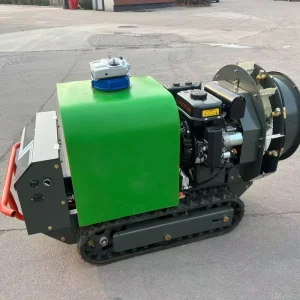
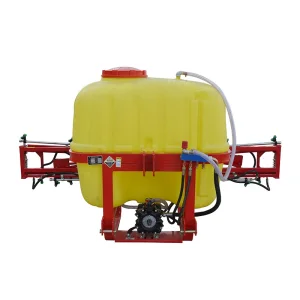
1. Heavy Agricultural and Orchard Machinery Maintenance: Agricultural harvesters and tractor components operating in muddy, dust-heavy environments suffer from mixed soil-grease encrustation. Removing these deposits requires high-coverage boom sprayers or remote-controlled spraying units to deliver high-solvency petroleum washes. This is followed by manual scrubbing using stiff-bristled, chemical-resistant wooden dust brushes to restore machine functionality.
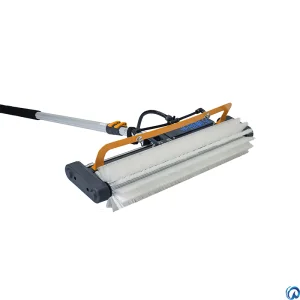
2. Solar Photovoltaic (PV) Farm Maintenance: Solar panels in semi-arid regions are subject to windborne particulates and oil-based environmental deposits. Standard water rinses fail to remove baked-on organic residues, which degrade solar conversion efficiency. Applying specialized hydrocarbon cleaners via dedicated high-quality solar panel cleaning kits safely dissolves contaminants without causing electrical failures, maximizing photovoltaic energy yields.
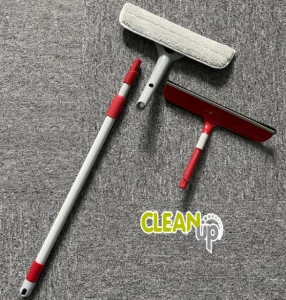
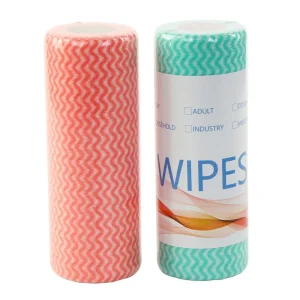
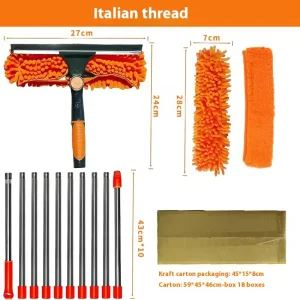
3. Automotive and Mechanical Workshops: Engine rebuilding and transmission servicing require solvent parts-washers. Mechanics rely on pressurized chemical sprayers to spray cleaning solvents directly into intricate gears. This is supported by dual-sided scrapers and micro-fiber drying systems to ensure components are clean and dry before reassembly.
 Petalyx Irrigation