Explore high-durability products utilized across professional landscapes, commercial nurseries, and global hardware distributions.

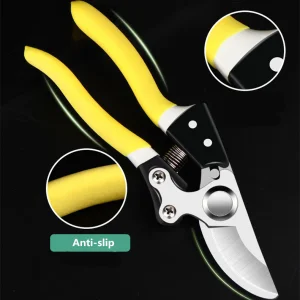
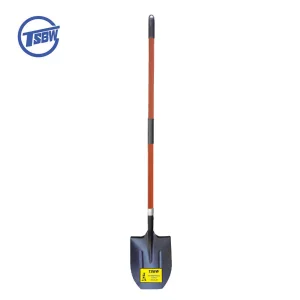
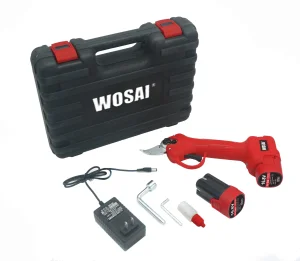
Analyzing B2B procurement vectors, structural mechanics, and the shift toward heavy-duty, polymer-extruded gardening architectures.
The global landscape of commercial gardening and agriculture has evolved significantly beyond basic wire networks and wooden lattice frames. Modern agricultural infrastructure relies heavily on precision-engineered garden trellis systems capable of bearing high static loads, resisting extreme UV radiation, and mitigating bio-pathogen growth. The global demand for structural garden trellises has transitioned from simple residential ornamentation to high-volume commercial installations designed to maximize agricultural yield per square meter.
Industrial-grade trellis systems must withstand wind loads exceeding 90 km/h and support heavy vine crops such as indeterminate tomatoes and high-yield grape varieties without structural bending.
Exposure to continuous solar radiation degrades non-stabilized polymers within 12 months. Modern B2B sourcing requires polymer trellis structures formulated with hindered amine light stabilizers (HALS).
For commercial nurseries and large-scale greenhouse growers, modular systems allow rapid deployment, scalable height extensions, and simplified flat-pack logistics.
Whether sourcing for regional distributor supply chains or massive multi-hectare agricultural operations, global procurement directors prioritize partners with vertically integrated production lines—specifically those possessing high-capacity injection molding and polymer extrusion capabilities. This guarantees physical consistency and limits batch-to-batch structural variance, which can prove catastrophic in high-density farming setups.
Foshan Petalyx Irrigation Co., Ltd. is a professional manufacturer and export-oriented enterprise specializing in gardening and household water management solutions. With strong capabilities in international trade, the company has established a solid reputation in global markets through consistent quality and reliable service.
Petalyx owns three registered trademarks and holds more than 20 patents, reflecting its commitment to innovation and product development. The company is equipped with a complete set of advanced production facilities, including injection moulding, extrusion, winding, and blow moulding systems, enabling full in-house manufacturing control and flexible customization.
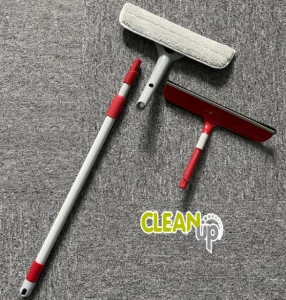
Its product range covers gardening tools, garden hoses, cooling hoses, household cleaning products, dredging tools, and various home-use accessories, widely applied in residential, commercial, and outdoor environments. Petalyx has built long-term and stable partnerships with well-known international retailers and platforms such as Global Shopping, Lowe’s, Walmart, ASDA, and Amazon.
With a focus on quality and compliance, the factory has obtained BSCI, Walmart, and Home Depot system certifications, ensuring high standards in production and social responsibility. Products are exported to the United States, the United Kingdom, Germany, Italy, the Middle East, and other regions.
Foshan Petalyx Irrigation Co., Ltd. continues to deliver innovative, durable, and cost-effective solutions to customers worldwide.

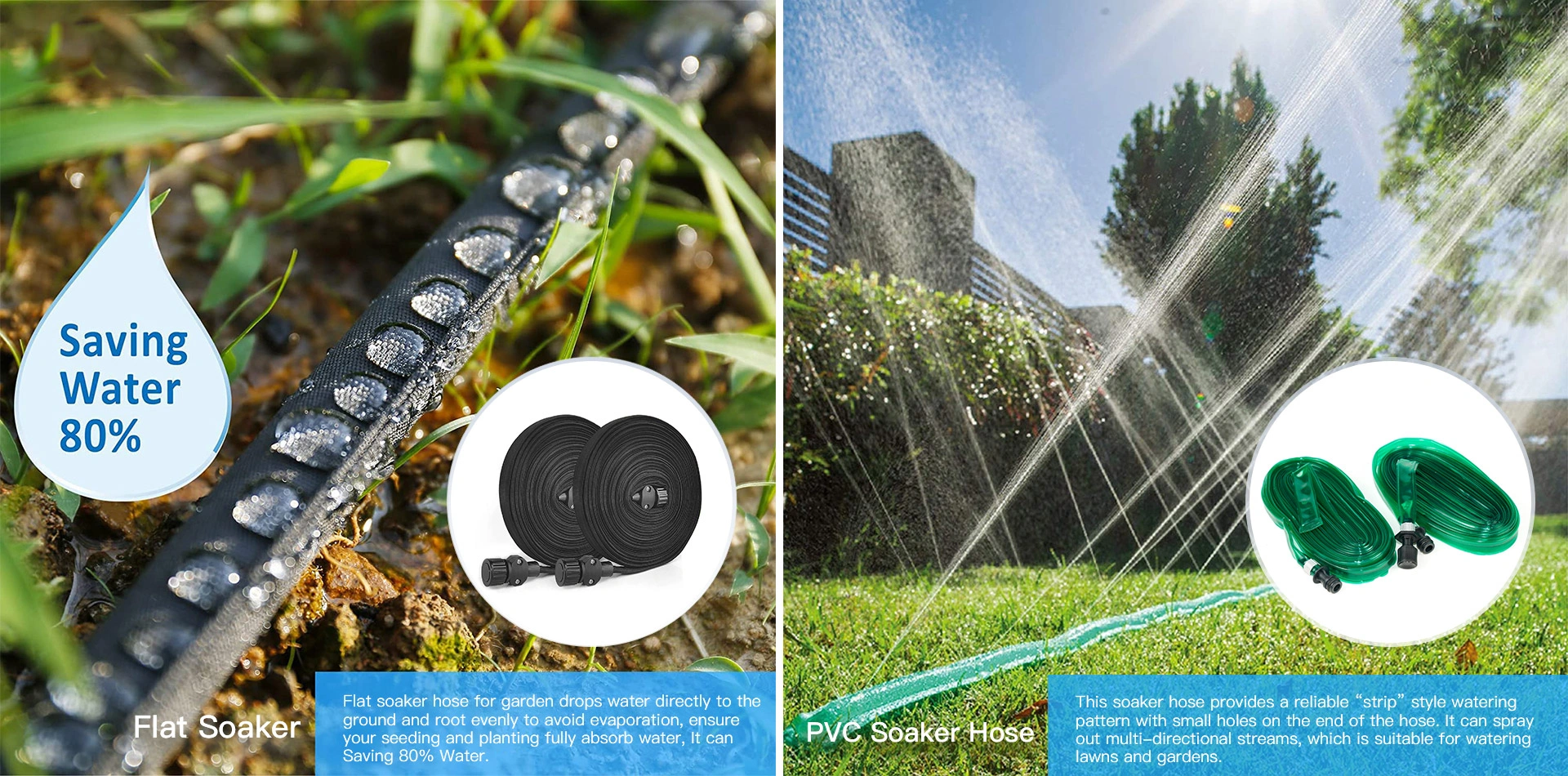
Why South China (Foshan Industrial Belt) remains the global epicenter for polymer and metal garden assembly manufacturing.
Sourcing commercial garden trellis systems and agricultural support frameworks from South China, specifically the Pearl River Delta industrial hub, offers structural economic and manufacturing advantages that are virtually impossible to replicate elsewhere. The concentration of upstream polymer raw material processing, tooling engineers, and logistics networks creates a highly optimized production cycle.
Proximity to petrochemical processing zones allows manufacturers to secure custom polyolefin blends and anti-UV concentrates at optimized price points. This integration insulates international buyers from volatile raw material fluctuations.
Developing custom-molded connectors, snap-fits, and extendable joints requires advanced toolmaking capabilities. Foshan's manufacturing base allows for fast injection mold design cycles, transitioning CAD sketches to physical prototypes in weeks instead of months.
Trellis systems are not just one component; they require extruded rods, blow-molded base reservoirs, and injection-molded joints. China-based facilities combine these diverse manufacturing steps inside a single plant, reducing sub-assembly transport costs.
Furthermore, South China's deep-water ports (Shenzhen, Guangzhou, Hong Kong) ensure prompt freight scheduling. A container loaded at a Foshan facility can reach global shipping lanes within hours, minimizing port-to-port transit delays and simplifying international supply chains.
Navigating social compliance, quality standards, and environmental regulations for retail and commercial buyers.
For top-tier retail chains like Lowe's, Home Depot, Walmart, and ASDA, product quality is only one half of the sourcing equation. The other half is strict operational compliance. A factory's lack of social responsibility certifications or chemical compliance can result in immediate vendor disqualification.
Petalyx's status as a qualified manufacturer audited under BSCI, Walmart, and Home Depot systems reflects a long-term strategy centered on compliance and risk mitigation. This operational standard ensures that international wholesale orders flow smoothly through customs checkpoints and consumer shelves without compliance bottlenecks.
Adapting vertical plant support architectures to varying environmental constraints, agricultural practices, and space profiles.
In high-density greenhouse setups, overhead hanging trellis cables and tensioning rollers support vertical vine growth. The focus is on reducing labor setup times and optimizing vertical light interception for crops like cucumbers and bell peppers.
Rooftop installations face severe wind loads and limited weight capacities. Engineers specify lightweight, modular polymer trellises with structural base reservoirs that use the growing media's weight as a natural ballast.
For domestic landscaping, trellises serve as green privacy screens. These setups demand high-quality, wood-plastic composite (WPC) or UV-stabilized PVC materials that match residential architectural themes without requiring paint maintenance.
Technological innovations shaping the future of agriculture structures, bio-polymers, and IoT integration.
As the smart farming market expands, even traditional garden items like trellises are integrating advanced technologies. Future-focused B2B buyers should anticipate the following developments over the next five years:
With global plastic pollution regulations tightening, researchers are refining PLA (polylactic acid) and PHA-based composite materials. These trellises retain their mechanical strength outdoors for three to five seasons, after which they can be systematically composted at their end-of-life cycle, eliminating polymer waste in agricultural soils.
Modern agritech companies are utilizing hollow-extruded trellis support structures as conduits for drip irrigation micro-tubes and multi-point soil sensor cables. This integrates structural support and hydration delivery into a single, clean footprint.
To address global labor shortages, trellis frame designs are being engineered to work in tandem with automated robotic tying and pruning equipment. Standardized spacing and predictable trellis heights allow AI-guided harvesting arms to navigate crop rows easily.
Direct technical answers for commercial sourcing managers, distributors, and engineering procurement specialists.
High-quality equipment to support comprehensive farm, residential garden, and commercial building operations.

 Petalyx Irrigation