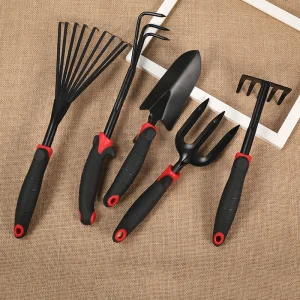
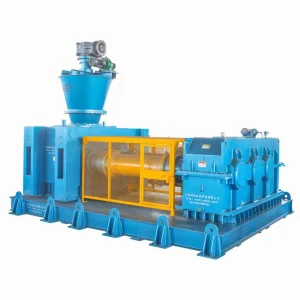
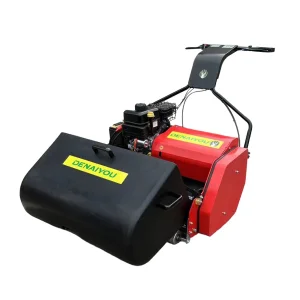
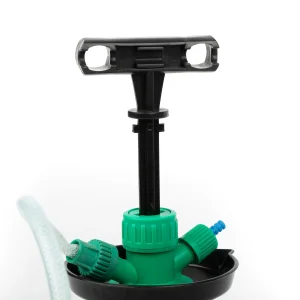
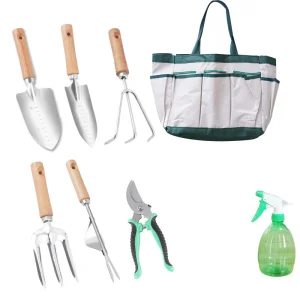
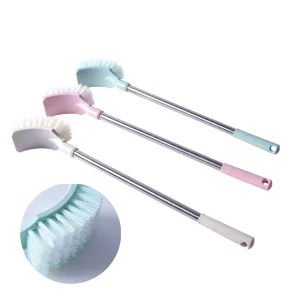
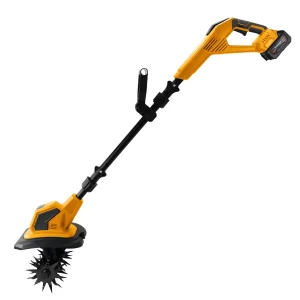
Explore our highly-engineered manual, mechanical, and smart maintenance solutions designed for robust industrial performance.
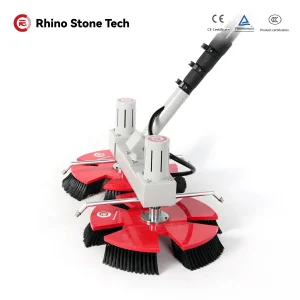
The global agricultural and horticultural implements market is witnessing a profound transition. Driven by structural shifts away from chemical herbicides, regulatory changes (such as restrictions on glyphosate in Europe and North America), and a growing demand for organic, chemical-free land management, the market for physical weeding and cultivation tools has entered a phase of sustained growth. For global B2B buyers, sourcing from certified, high-capacity factories is no longer just about optimizing margins—it is about ensuring supply chain resilience, compliance with international standards, and securing product designs that reduce labor costs through ergonomic innovation.
This report highlights the structural features of leading manufacturers, focusing on how technical integration—ranging from initial design and material science to automated production and rigorous quality assurance—distinguishes the top-tier suppliers. As environmental standards tighten, the focus shifts toward tools that offer long-term durability, reduced musculoskeletal fatigue, and compatibility with diverse soil configurations.
Historically, chemical application was the primary method for control in large-scale residential and commercial environments. However, modern environmental policies and consumer demand have caused a structural pivot toward mechanical weed extraction. Physical weeding tools—such as stand-up weeders, weeding rakes, and manual tillers—provide distinct benefits:
From an engineering perspective, this shift has driven manufacturers to upgrade materials. Traditional carbon steel components are being replaced with structural-grade aluminum alloys and heat-treated stainless steel. These materials offer high tensile strength to withstand leverage stresses without bending, while keeping the tool light enough for extended commercial use.
"For modern distributors, the value proposition lies in offering tools that minimize operational effort. Ergonomic angles, specialized fulcrum designs, and high-strength, lightweight shafts are key features that drive B2B buyer preferences in today's competitive landscape."
When selecting a manufacturing partner for garden tools and weeding systems, global buyers evaluate factories based on their industrial capabilities, manufacturing scale, and compliance frameworks. Below is a structured analysis of the essential criteria used to qualify top manufacturers globally:
| Criteria | Focus Area | Standard Expected | Business Impact |
|---|---|---|---|
| Material Integrity | Alloy Grades & Treatment | 6000-series Aluminum, Heat-treated Steel | Reduces product failure rates and warranty claims. |
| Quality Management | Audit Certifications | ISO 9001, BSCI, Retailer System Standards | Ensures smooth entry through customs and compliance with major retail systems. |
| Manufacturing Scope | In-house Processes | Injection molding, extrusion, automated assembly | Supports customization, shortens lead times, and maintains quality. |
| Design Innovation | IP & Patents | Utility and design patents | Protects distributors from domestic and international patent disputes. |
A reliable supplier must run integrated production lines. Relying on sub-contractors for critical processes like casting or injection molding introduces supply chain risks, variance in material quality, and unpredictable delays. Successful partners demonstrate vertical integration, managing the process from raw material formulation to final packaging under one roof.
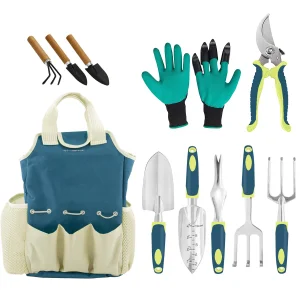
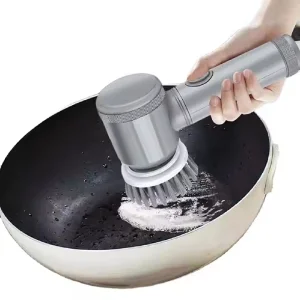
Among leading manufacturing hubs, Foshan Petalyx Irrigation Co., Ltd. stands out as a highly specialized, export-oriented enterprise. Based in Foshan, China, the company has built an international footprint by designing and producing high-performance gardening tools, irrigation equipment, and home cleaning solutions.

Petalyx's operations are supported by a strong foundation of intellectual property, including three registered trademarks and more than 20 national utility and design patents. This highlights the company's commitment to continuous research and development, allowing partners to access unique product offerings in competitive retail markets.
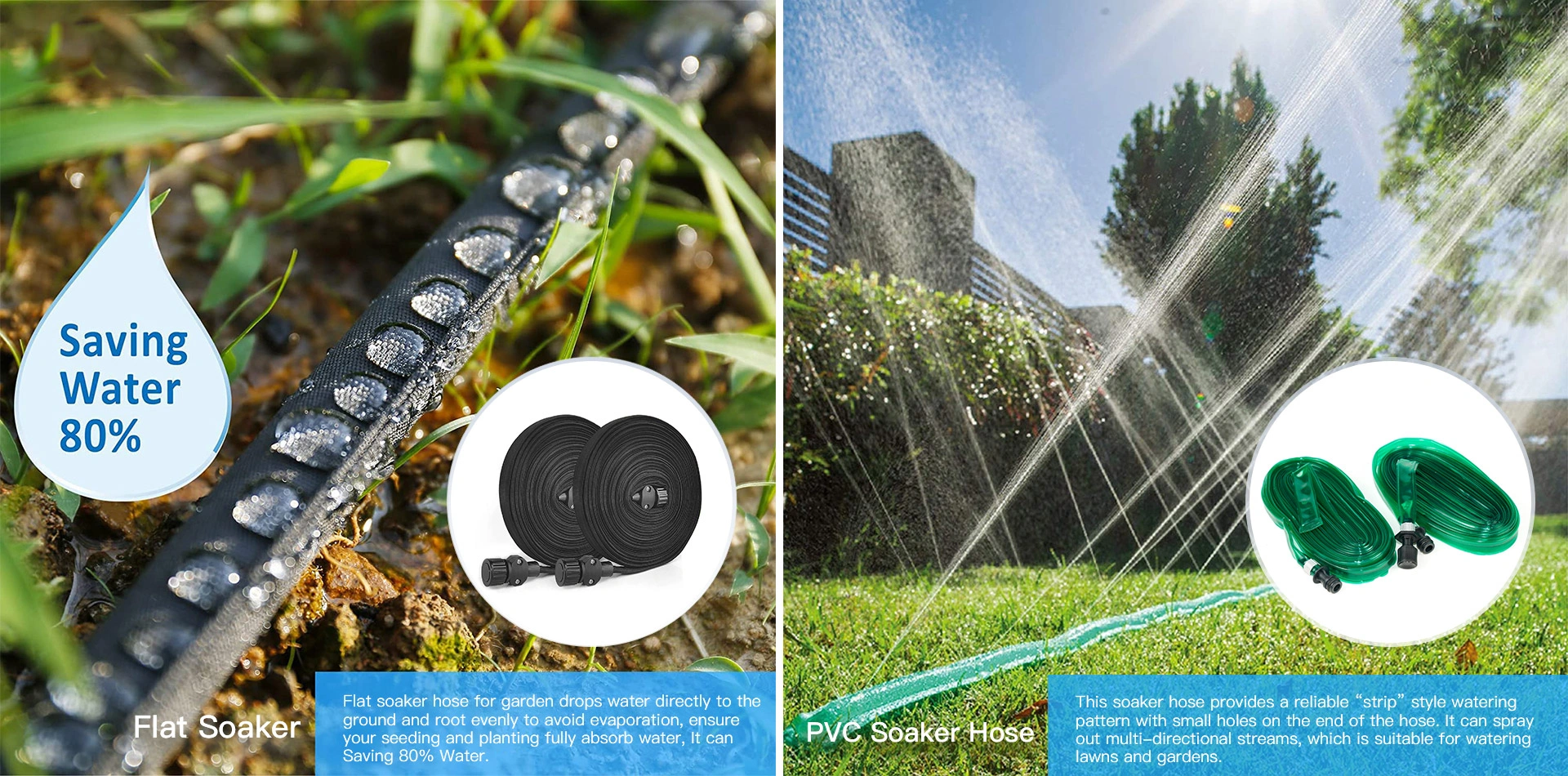
The production facility features advanced machinery for key processes:
This deep vertical integration allows the factory to maintain strict control over product quality, scale production quickly, and offer flexible customization (OEM/ODM). As a result, Petalyx has established stable, long-term relationships with leading international retailers and sourcing platforms, including Lowe’s, Walmart, ASDA, and Amazon.
Sourcing products for major retail networks requires compliance with social responsibility and safety standards. Without these audits, shipments can face customs delays, and suppliers can be disqualified from retail platforms.
Verifies fair wages, workplace safety, and ethical labor practices. This minimizes operational risk for global brands sourcing from overseas facilities.
Audits from major retailers like Walmart and Home Depot verify quality control systems, supply chain transparency, and security protocols across the production line.
Ensures raw plastics, alloys, and coatings comply with international environmental regulations, including REACH and RoHS standards.
Foshan Petalyx Irrigation Co., Ltd. maintains active certifications for BSCI, Walmart, and Home Depot system audits. These qualifications simplify the sourcing process for procurement teams in North America, Europe, and the APAC region, ensuring that all products meet the rigorous requirements of top-tier consumer markets.
Modern weeding and landscaping tools serve a wide range of applications, each requiring distinct design priorities to ensure effectiveness and reliability:
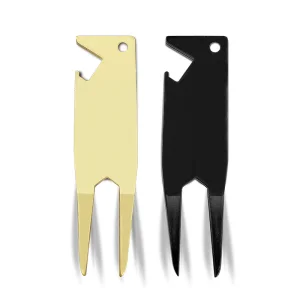
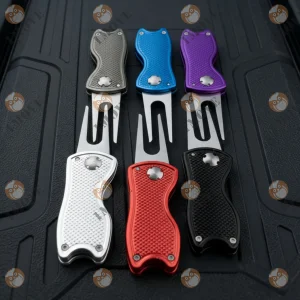
Commercial Sports Grounds & Golf Courses: Turf management requires precision tools to remove weeds without damaging surrounding turfgrass. Specialized divot tools and manual weeders are engineered to target deep roots while keeping the surface sod intact.
Solar Field Maintenance: Growing vegetation can cast shadows on photovoltaic panels, reducing energy generation. Because traditional mechanical brush cutters can kick up rocks that damage glass panels, maintenance crews rely on specialized hand tools, sprayers, and retractable cleaning systems to keep fields clear safely.
Agricultural Orchards & Vineyards: Dense orchards require targeted management to control weeds that compete for water and nutrients. Remote-controlled pest control equipment and manual tillers help maintain close proximity to tree trunks without damaging shallow root systems or trunks.
Residential Yards & Municipal Parks: High-traffic public parks and residential landscapes require tools designed for safety, ease of use, and durability. Ergonomic tool kits allow users of all physical abilities to manage landscapes efficiently.
The manufacturing landscape for garden tools is shifting toward advanced materials and automated production to improve durability and cost-efficiency. Key developments include:
Advanced Composites and Alloys: Structural elements increasingly use aircraft-grade aluminum and carbon-fiber composites. These materials reduce the overall weight of long-reach tools by up to 35% while maintaining the high bending strength needed for tough soils.
Optimized Ergonomics: Utilizing musculoskeletal studies, manufacturers are developing handles with variable diameter zones and vibration-dampening coatings. These features help reduce wrist strain and repetitive motion fatigue for professional landscaping crews.
Sustainable Materials: Leading factories are incorporating post-consumer recycled plastics and bio-based composites into tool handles and structural elements. These materials help brands meet consumer demand for environmentally responsible products.
Explore our selection of heavy-duty, high-performance maintenance tools designed to keep properties and landscapes in optimal condition.
 Petalyx Irrigation