Classy Performing Granulator Machinery With High Efficiency

Customization: Available
After-sales Service: 1 year
Warranty: 1 Year

Product Description

Basic Specifications

Model NO.
DH360/DH450/DH650/DH850/DH1050
Certification
CE
Roller material
Alloy Steel
Raw materials
Zinc oxide, Dry powders
Hydraulic system
Yes
Capacity
1-10t/h/unit
Product Hardness
30N
Working method
Double Roller Granulating
Granule size
2-5mm (Irregular)
Temperature
Normal temperature

Packaging & Delivery

Package Size
360.00cm * 280.00cm * 320.00cm
Gross Weight
21000.000kg
Transport
Big Part Packed in Nude

High-Efficiency Granulator Machinery

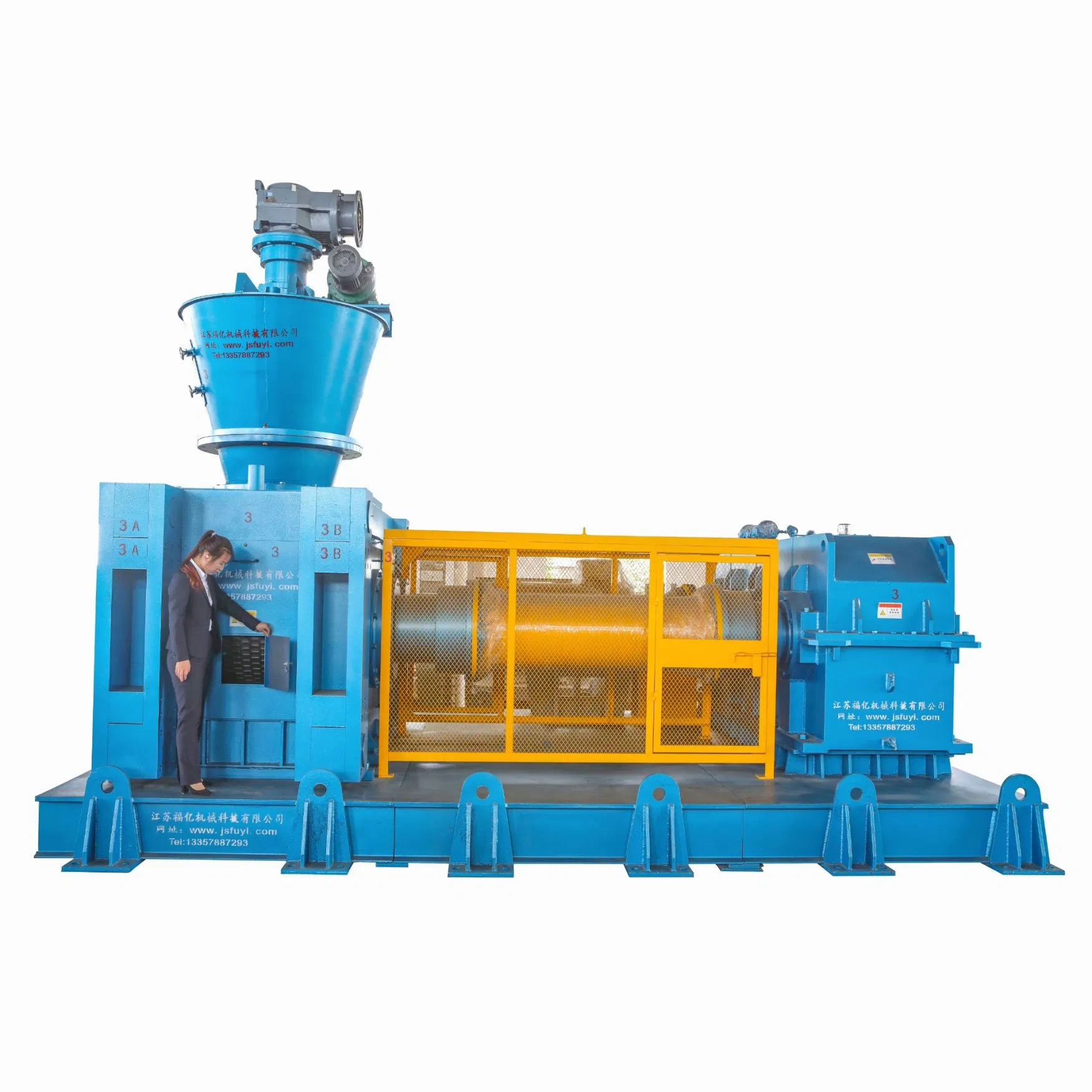
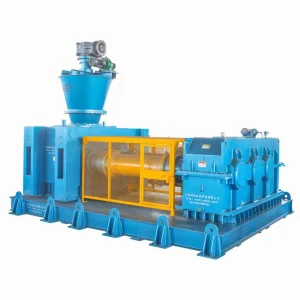
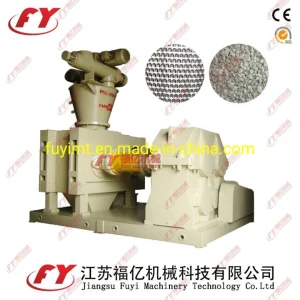
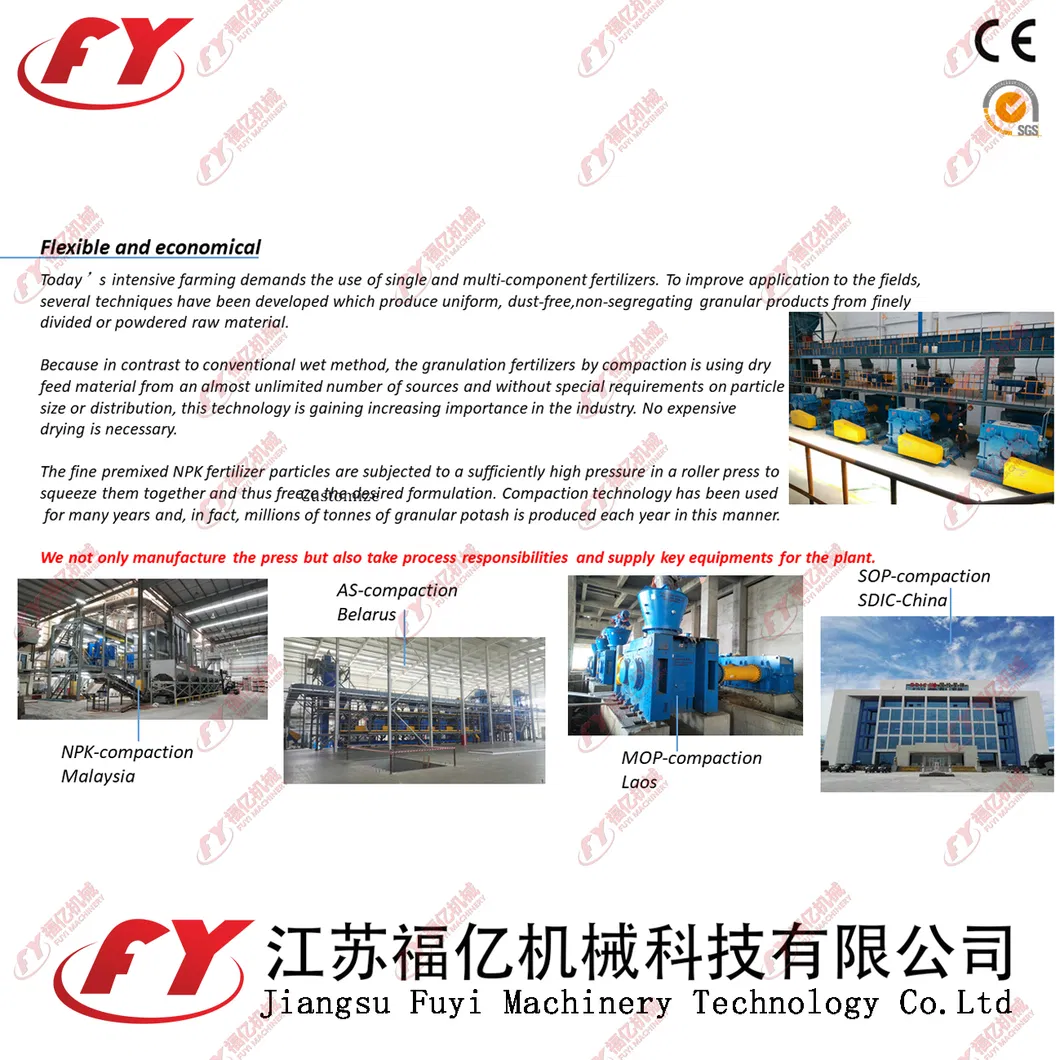
Product Application: Dry granulation process involves squeezing powder between two counter-rotating rollers to produce a continuous sheet or ribbon. The DH series dry roll press granulator compresses powdery materials (moisture content ≤1%) into tablets, which are then broken into granules and screened.
Granulator Machinery

During roller pressing, the density of materials increases 1.5–3 times, reaching specific granular strength demands. This method relies purely on external mechanical pressure.
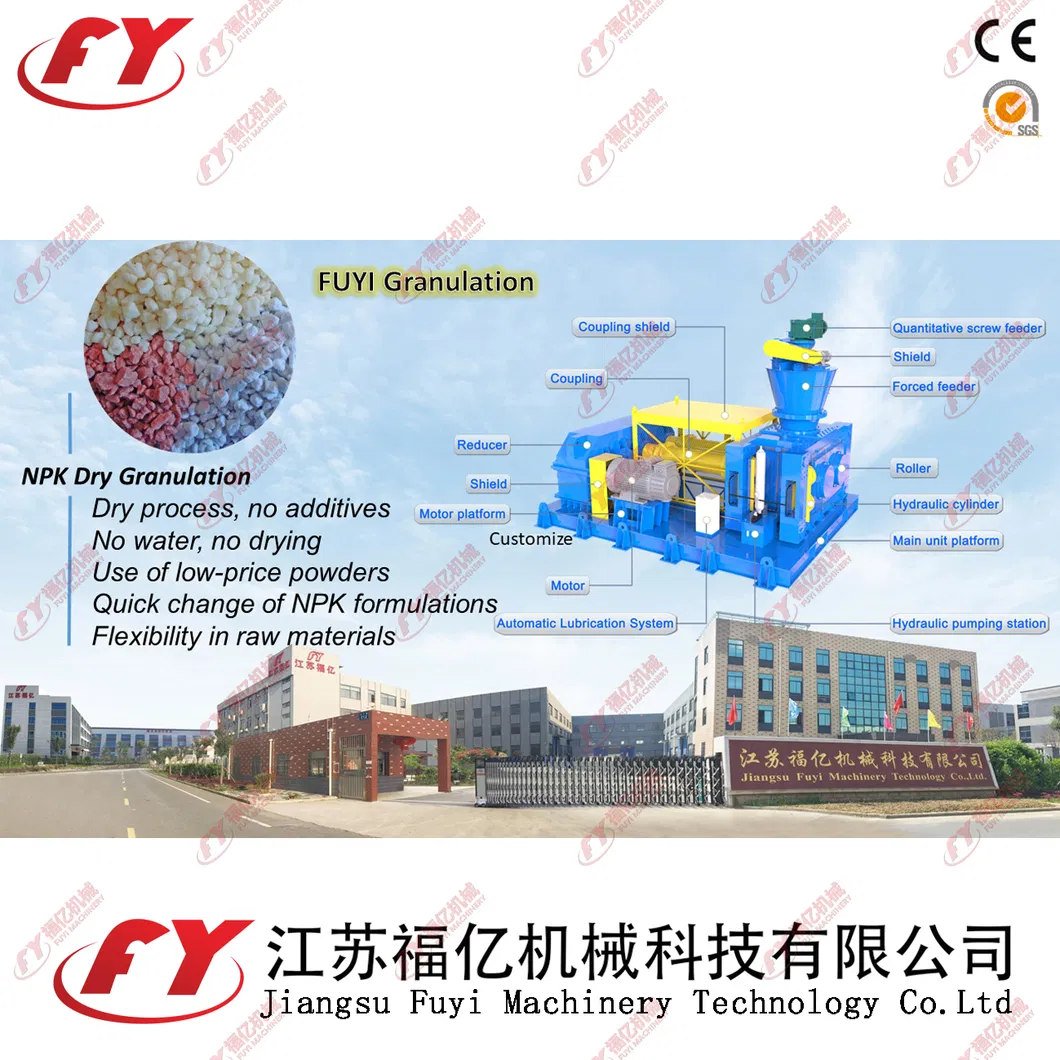
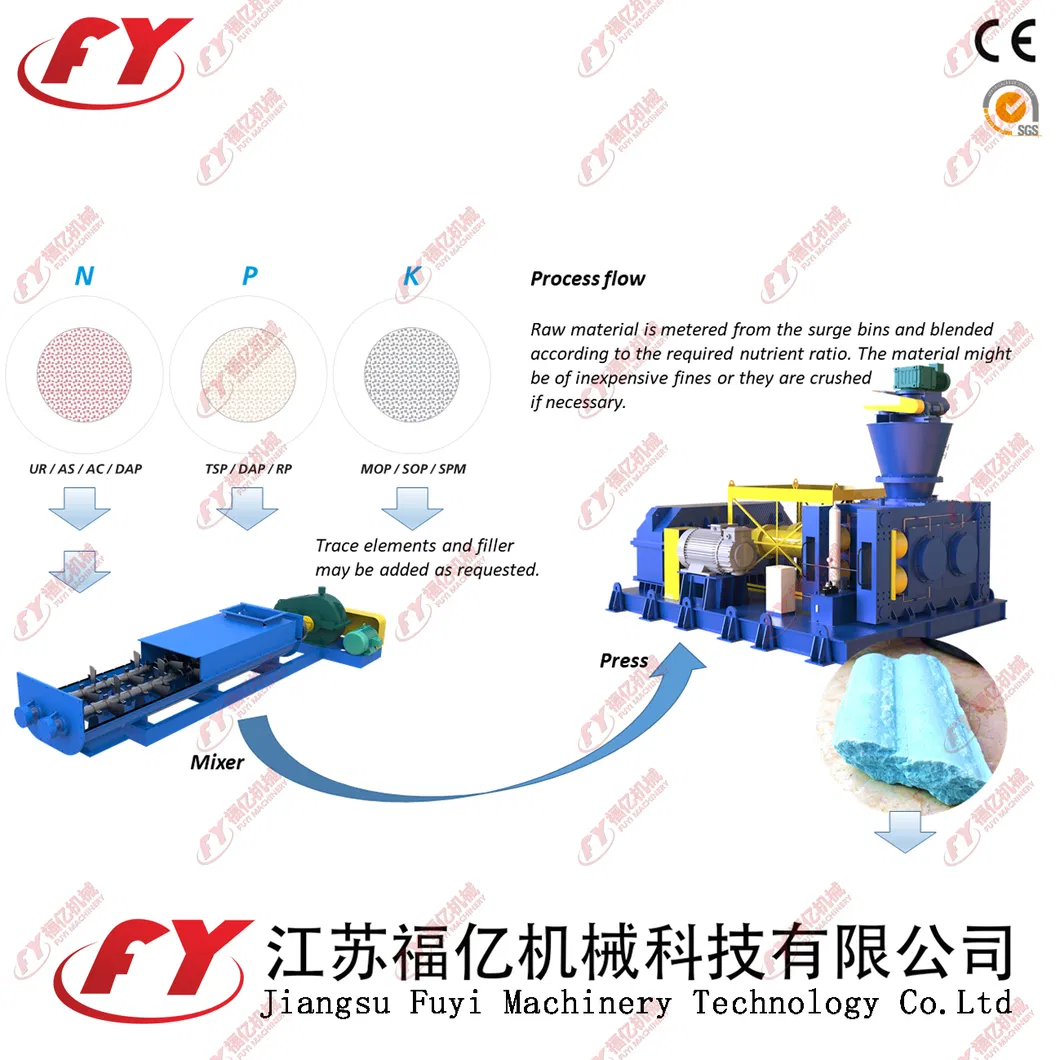
Dry Roll Press Process

Working Principle

Principle 1 Principle 2
1
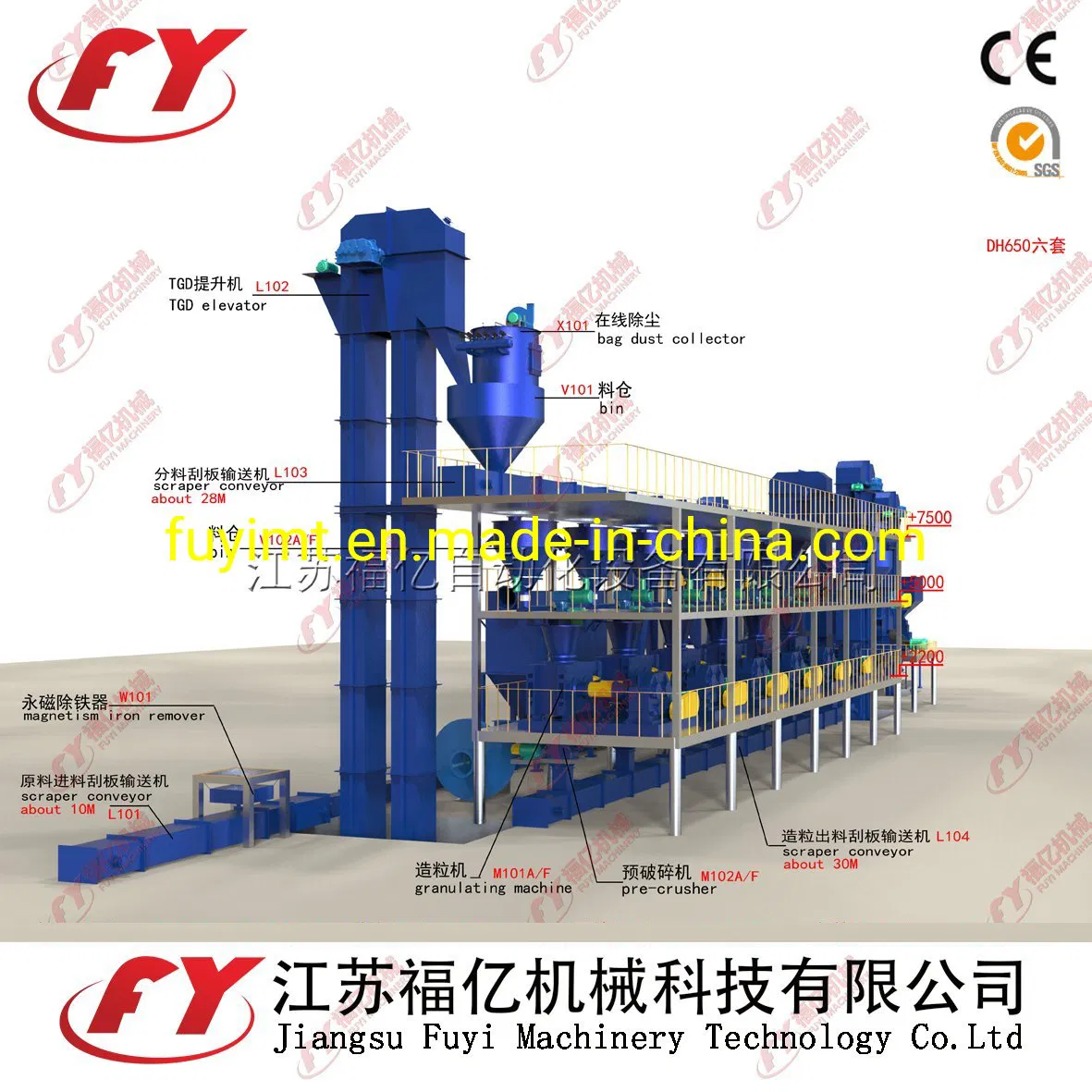
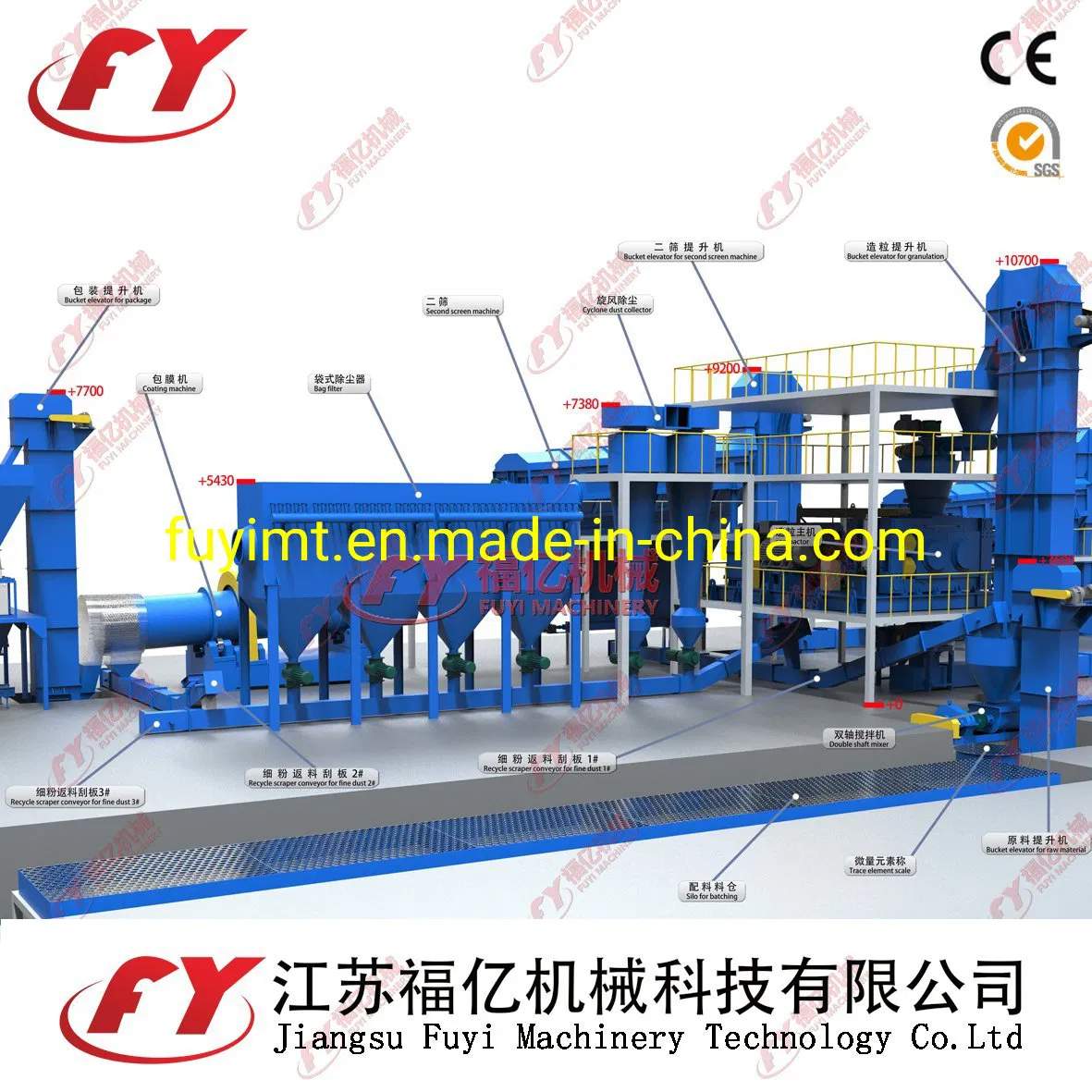
Batching system: Weigh raw materials according to formula using belt scales.
2
Mixer: Ensure uniform feeding of materials.
3
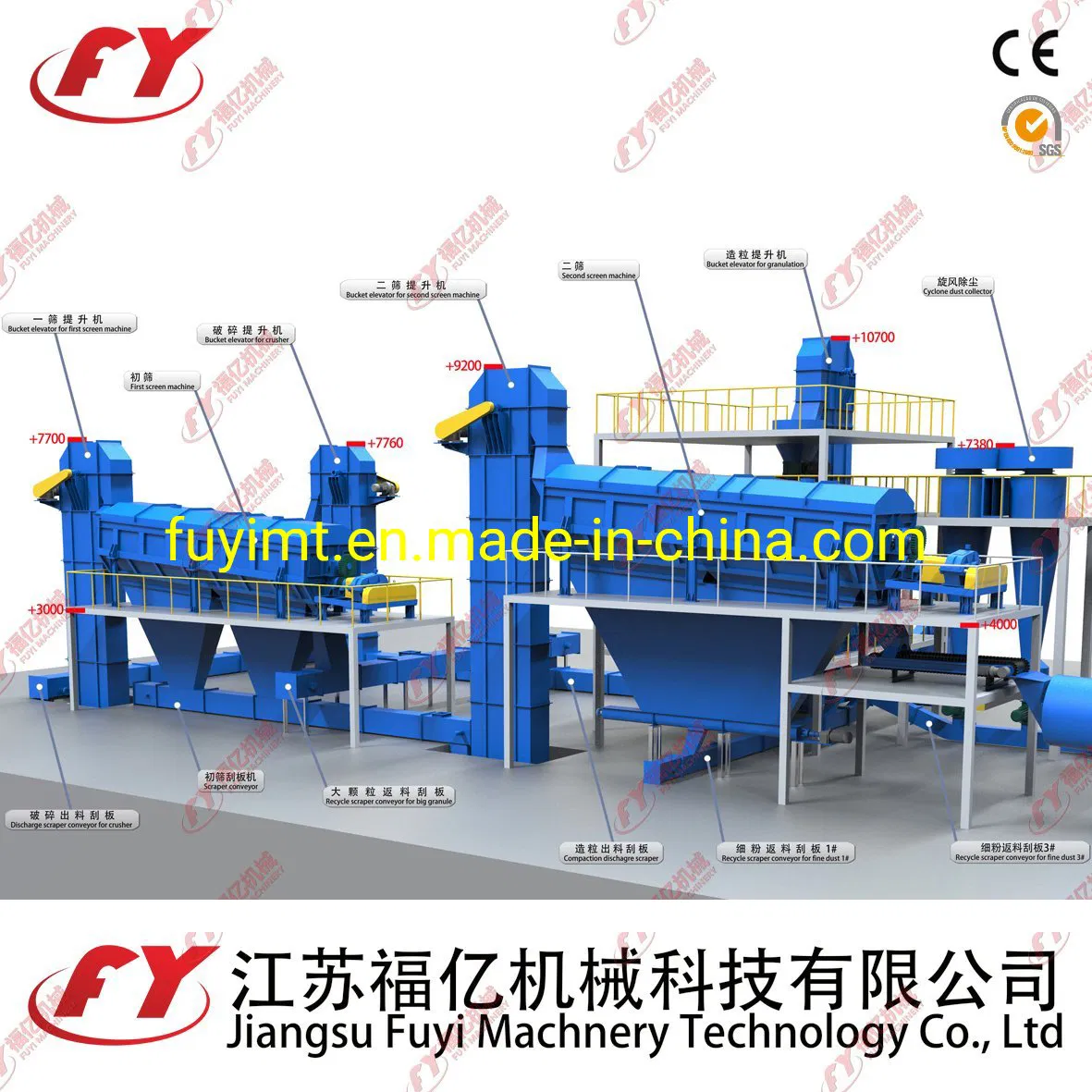
Bucket elevator: Lift material to the silo.
4
Compactor: Double rollers compress dry powder into high-hardness flakes.
5
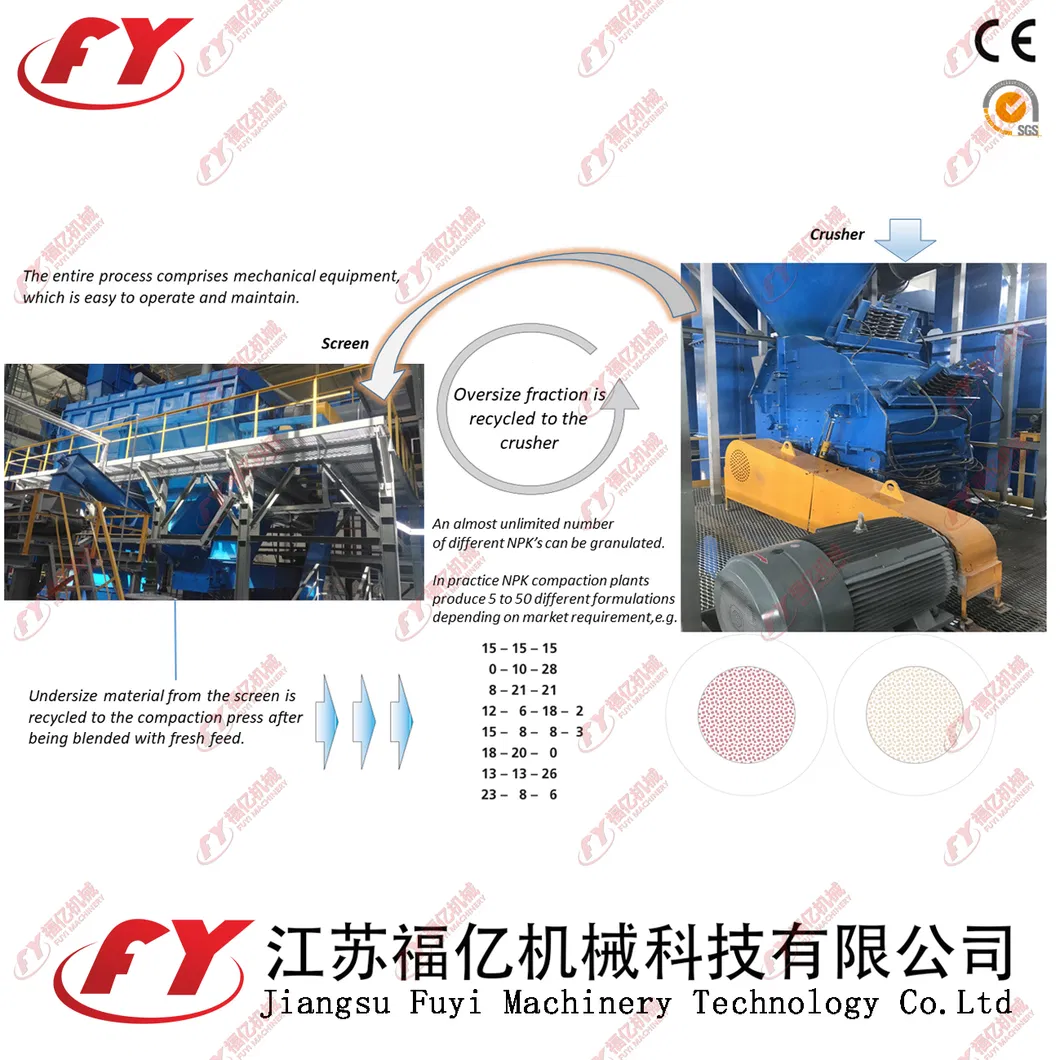
Crusher: Break bar-shaped products into 2-4mm irregular granules.
6
Rotary Screen: Sieve products; recycle dust and unqualified sizes.
7
Coating machine: Optional surface treatment to avoid clumping.
8
Packaging: Automatic packing into 25-50kg or TON-bags.
9
Dust Collection: Cyclone and bag filters remove particles for a clean workshop.

Components & Results

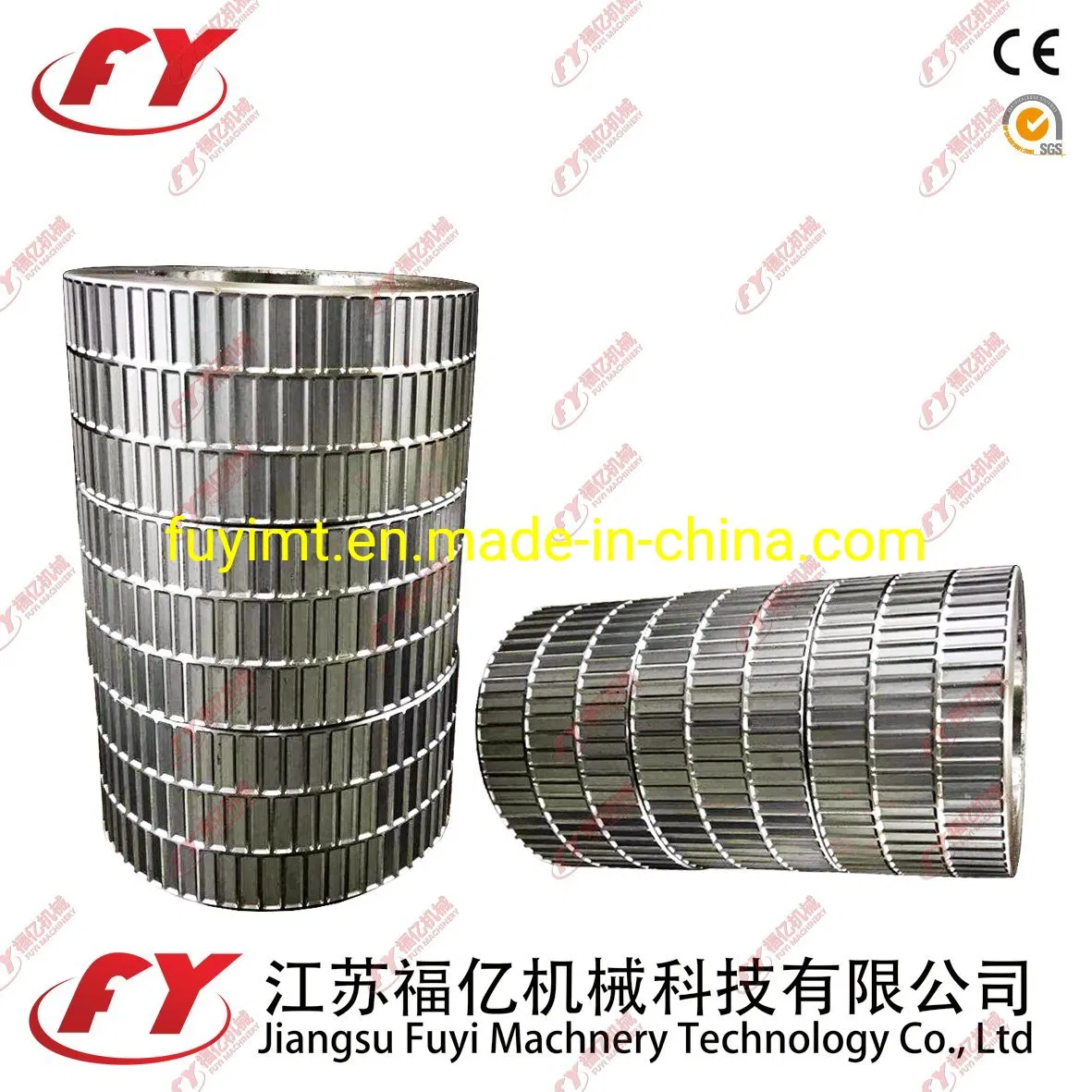
Various Roller Types: Available in different patterns to suit material characteristics.
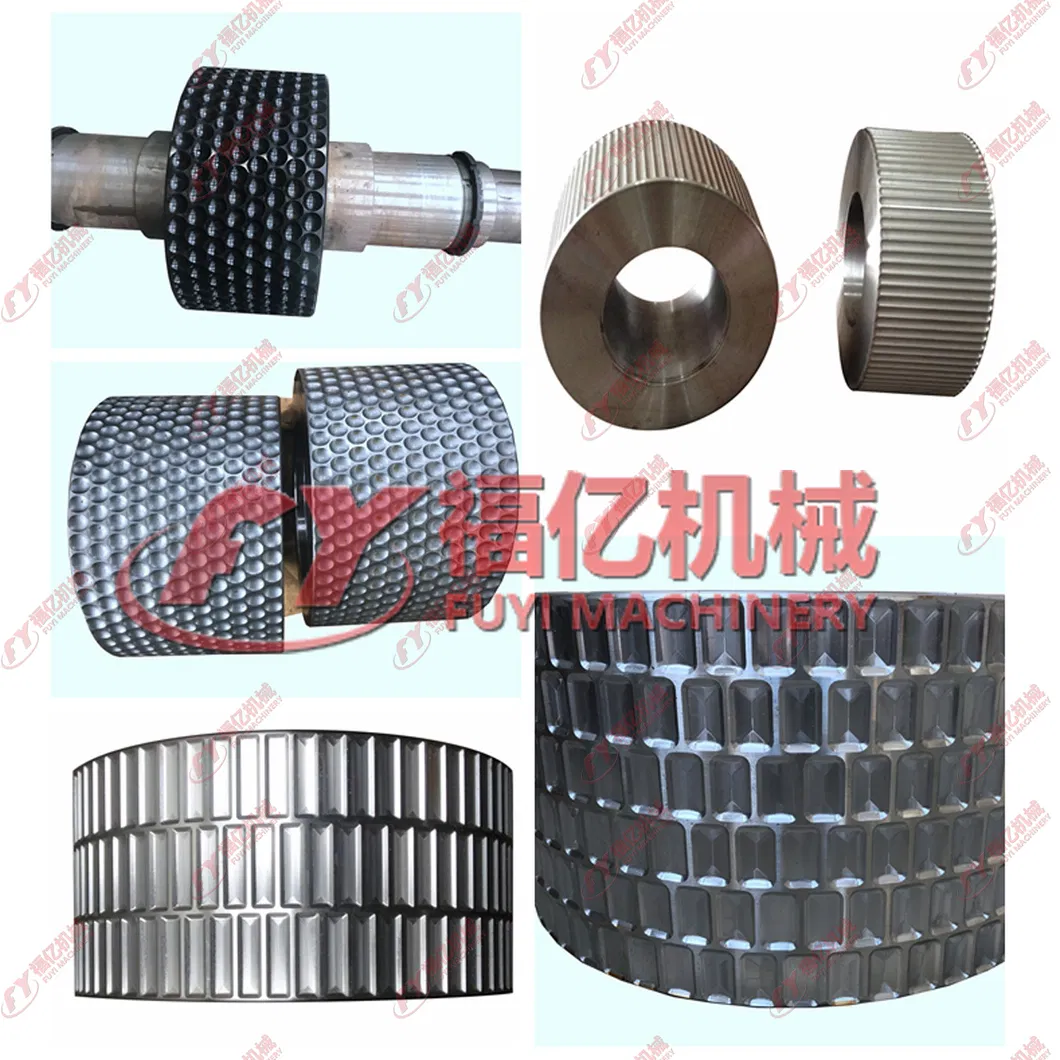
Various Rollers

Finished Products: High-quality irregular granules with adjustable strength.
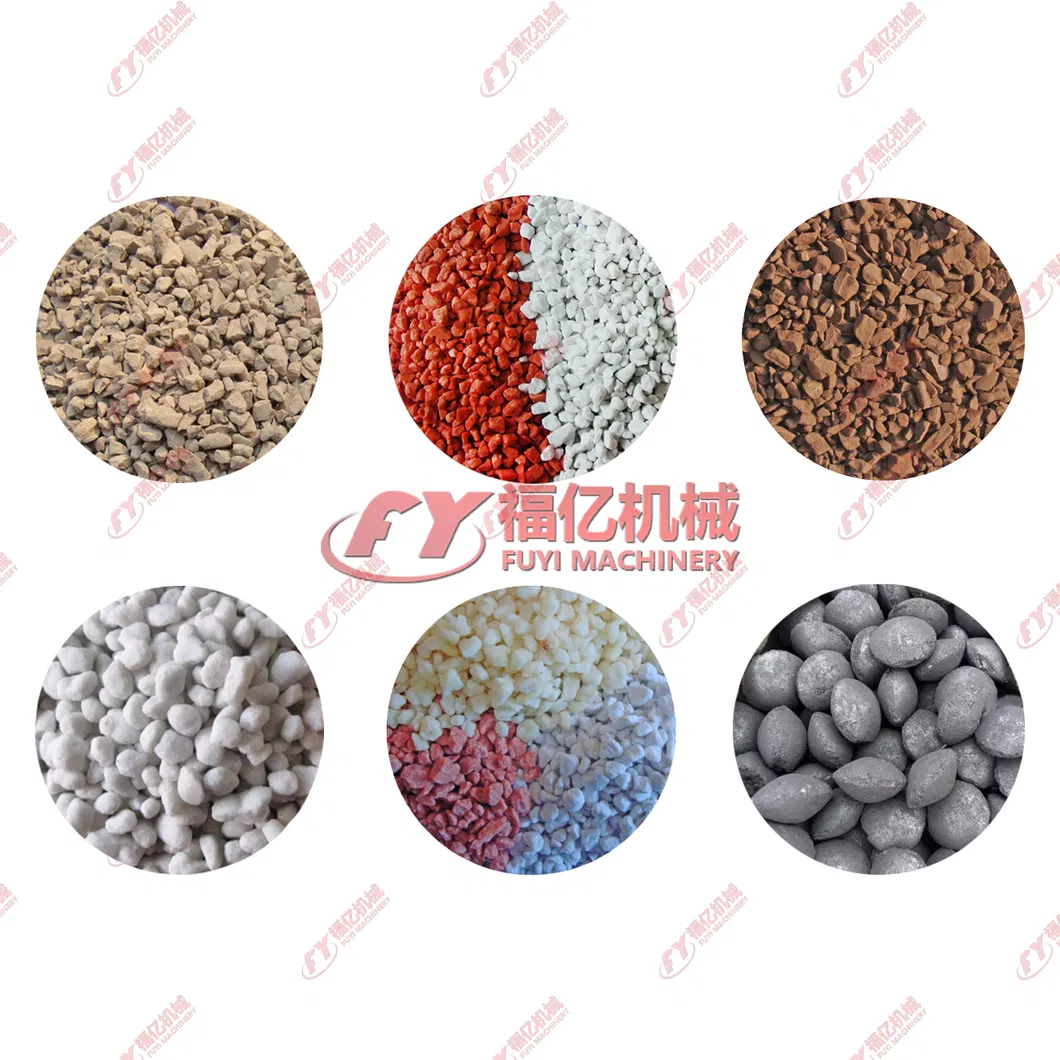
Finished Granules

Main Features

  • Adjustable granular strength via roller pressure control.
  • Cycle operations for continuous, high-yield production.
  • No additives required; guarantees high product purity.
  • Direct granulation of dry powders—no drying process needed.
  • Compact structure, low energy consumption, and high efficiency.
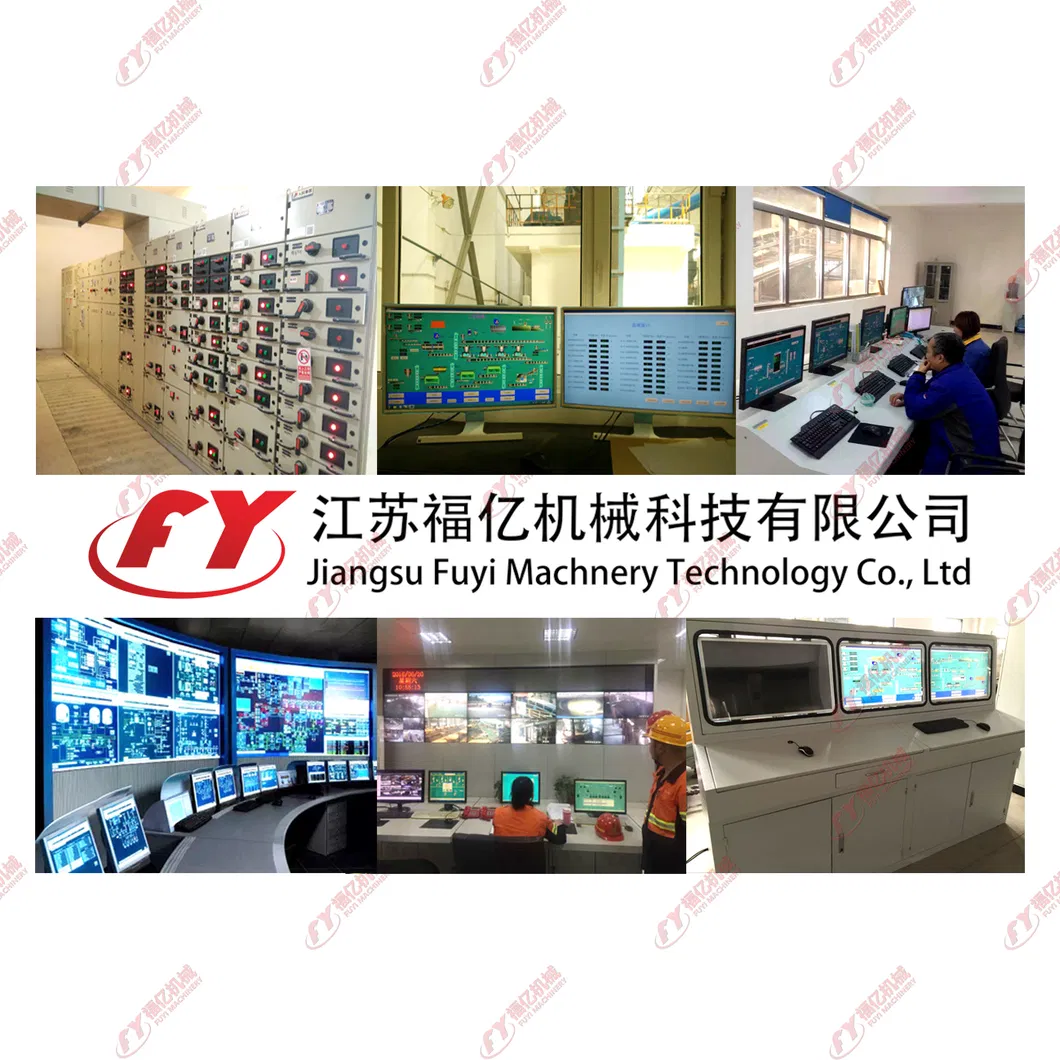
  • Automated feeding with frequency adjustment for low labor intensity.
Control System

Technical Parameters

Model DH360 DH450 DH650 DH850 DH1050
Valid usable width (mm)170-230190-280290-330420500
Roller speed (rpm)10-2510-2510-259-168.5-14.5
Rolled sheet output (kg/h)1300-23002500-35005000-700012000-1600022000-38000
Finished product output (kg)900-13001800-25003500-40006000-800012000-16000
Main unit power (KW)30-3755-7590-110220-250400
Total weight (t)710214675-85

Success Cases

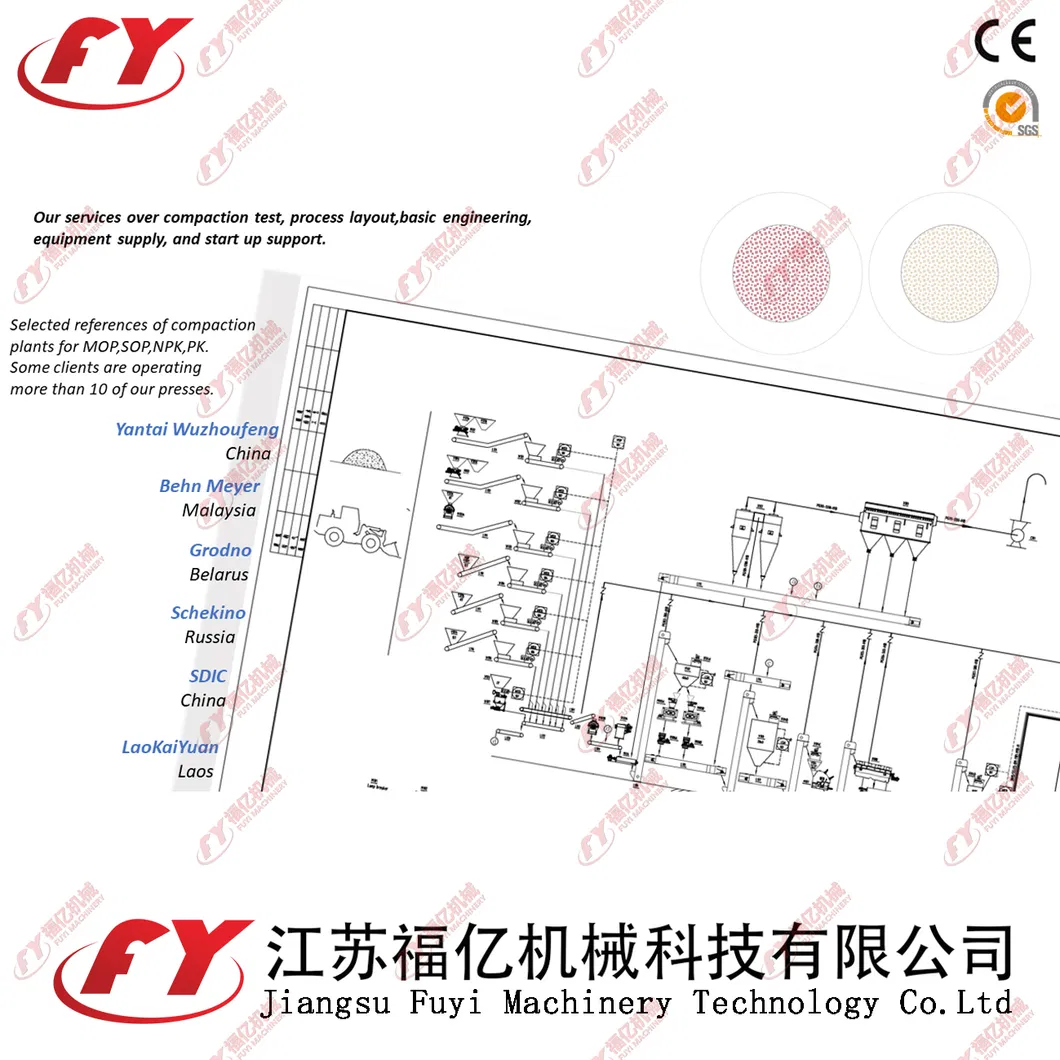
Ammonium Sulphate Plant (Belarus): 6 sets of DH650, annual production of 150,000 tons.

Potassium Sulphate Plant (Russia): 4 sets of DH850, capacity of 30 tons/hour.

Potassium Fertilizer Plant (Bolivia): 5 sets of DH650, 200 tons/day.

Compound Fertilizer Plant (Malaysia): 2 sets of DH1050, 20 tons/hour.
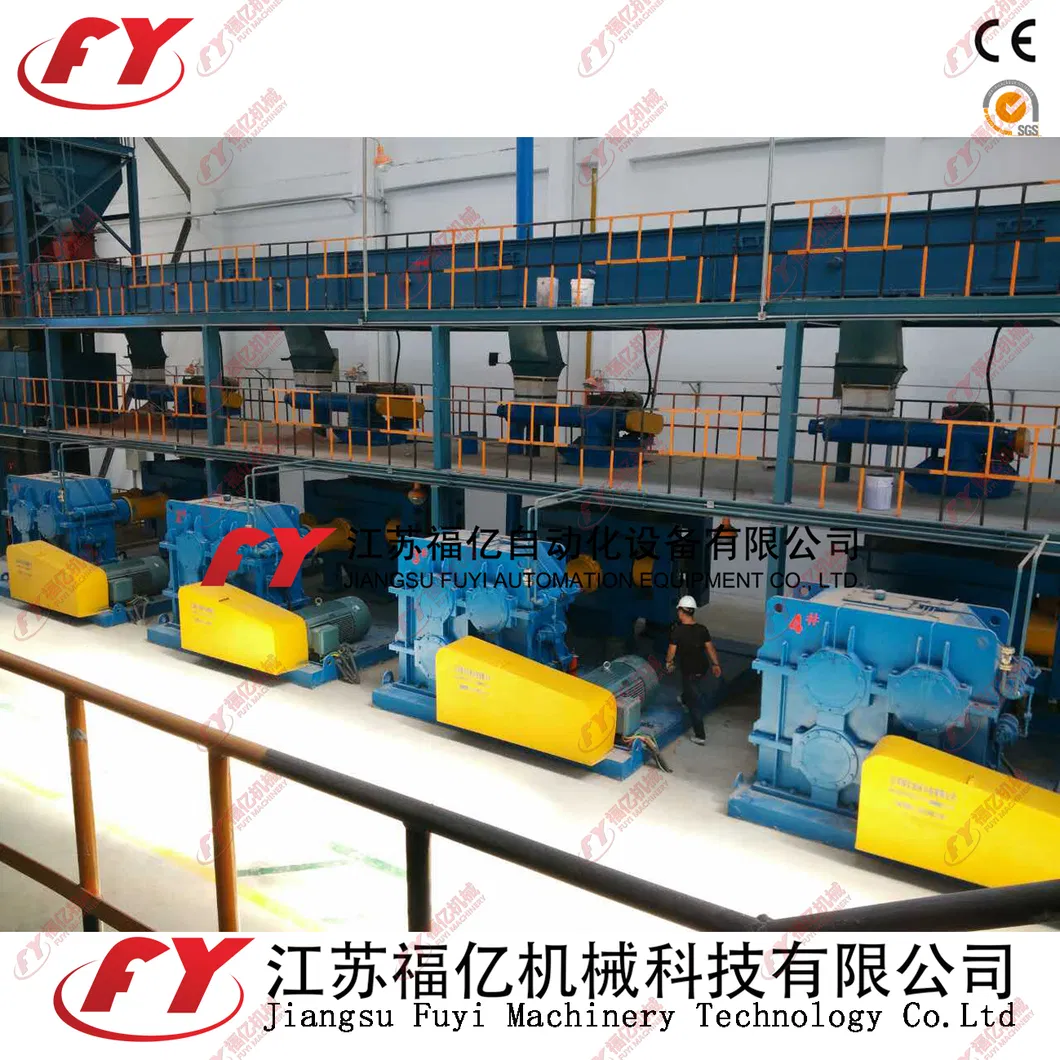
Global Installation Plant View

Our Service Support

Service 1 Service 2

Frequently Asked Questions

What is the moisture requirement for raw materials?
The dry granulation process requires the moisture content of the powdery materials to be ≤1% for optimal compression.
Is it possible to adjust the size of the final granules?
Yes, the final granule size is typically 2-5mm. The size can be customized by designing specific crusher mesh dimensions.
Does this machine require any chemical additives or binders?
No, materials are forced into shape through mechanical pressure alone, ensuring high purity for the final product.
Can the machine handle different types of raw materials?
A wide range of materials can be processed, including Zinc oxide, Potassium sulphate, Ammonium sulphate, and various fertilizers.
What are the energy consumption benefits?
Since it is a dry process, there is no need for a subsequent drying stage, which significantly reduces energy consumption and shortens the production flow.
How is the dust controlled during production?
The system uses a two-stage dust removal process consisting of a cyclone dust collector and a bag filter to maintain a clean working environment.

Related Products